



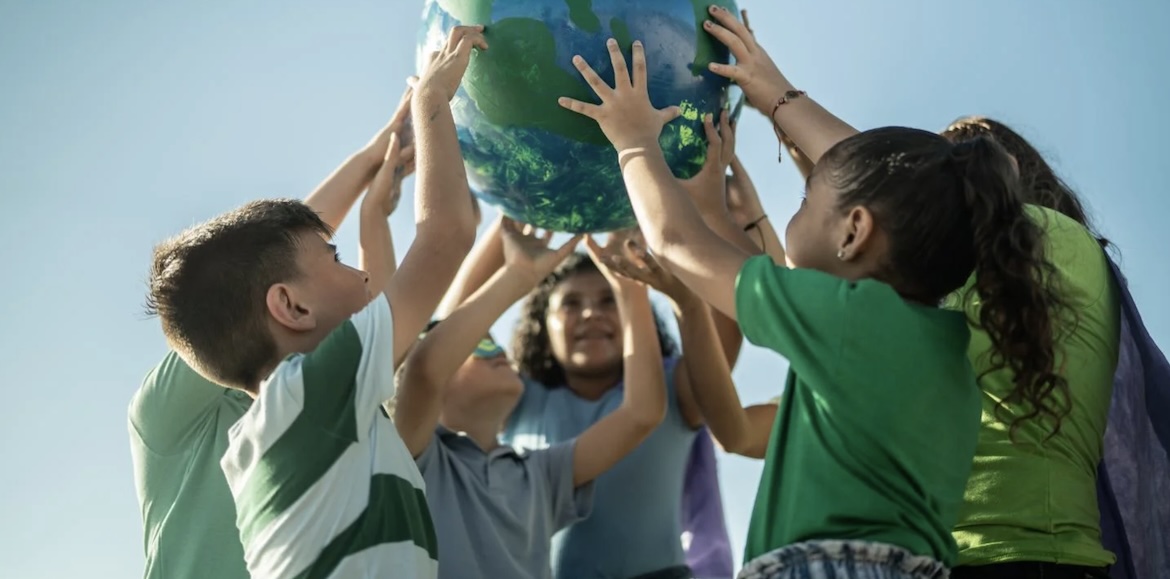







In this article, we will explore simple ways to help your kids succeed academically, all while enjoying the great outdoors and exciting family adventures. From outdoor learning to integrating educational tools, here’s how you can nurture both their love for learning and their curiosity for the world.
1. Incorporate Learning Into Outdoor Adventures
One of the easiest ways to combine fun and learning is by turning your outdoor activities into educational experiences. Whether you're hiking through nature reserves, visiting a botanical garden, or simply strolling through your local park, there are countless opportunities to introduce learning into the mix.
For example, while hiking, encourage your child to identify different plants, trees, and wildlife. Teach them about the ecosystem and how everything is connected. If you’re near a historical site, take the opportunity to discuss its significance and teach them about the events that took place there. Even a visit to a beach can become an impromptu lesson on geology, marine biology, and weather patterns.

2. Make Museums Fun and Interactive
Museums are one of the best places to explore a variety of subjects in an engaging way. Whether it’s a science museum, an art gallery, or a historical museum, these spaces are full of learning opportunities. The best part? Museums are often designed to engage kids through hands-on exhibits and interactive displays.
When visiting a museum, don’t just walk through it—encourage your child to ask questions, engage with exhibits, and participate in any activities provided. Let them take part in interactive science experiments, art creation stations, or even digital scavenger hunts. These activities not only entertain but also solidify their understanding of the subject matter.
3. Utilize Family Road Trips for Learning Opportunities
Road trips are more than just an opportunity to bond as a family. They’re also a perfect time to engage in educational activities that will keep your child’s brain active while still allowing them to enjoy the journey. Whether you’re heading to a new city or exploring the countryside, road trips are a great way to introduce geography, history, and even environmental science.
For example, before your trip, you can teach your child about the places you’ll be visiting. Have them research landmarks, historical sites, or notable events related to the locations on your route. This way, when you get there, they’ll already have a connection to the place and will likely be more interested in what they see.
4. Incorporate Technology for Learning on the Go

While it's essential to disconnect sometimes, technology can also be a valuable educational tool when used in moderation. There are countless apps, educational games, and websites that can help reinforce what your child is learning in school while providing an interactive experience.
For instance, apps related to math, geography, and language arts can be a great way to sneak in some educational time while traveling. Kids can complete challenges, quizzes, or even play games that tie into what they’ve been learning at school. Another option is to seek out online GCSE maths tutors at Edumentors, which can provide personalized help for students struggling with specific topics. This ensures that they can keep practicing key subjects without the pressure of sitting in front of a textbook.
5. Turn Everyday Activities into Learning Moments
Education doesn’t have to be confined to school hours. Some of the best learning moments happen in everyday activities like cooking, shopping, and organizing. When you’re cooking, involve your child in measuring ingredients and talking about fractions, measurements, and math concepts. This is a hands-on way to help them connect math to real-world situations.
Similarly, grocery shopping can become a lesson in budgeting, comparing prices, and understanding basic economics. Organizing the house can be turned into a fun lesson in sorting, categorizing, and even teamwork.
6. Introduce Learning Games and Puzzles at Home
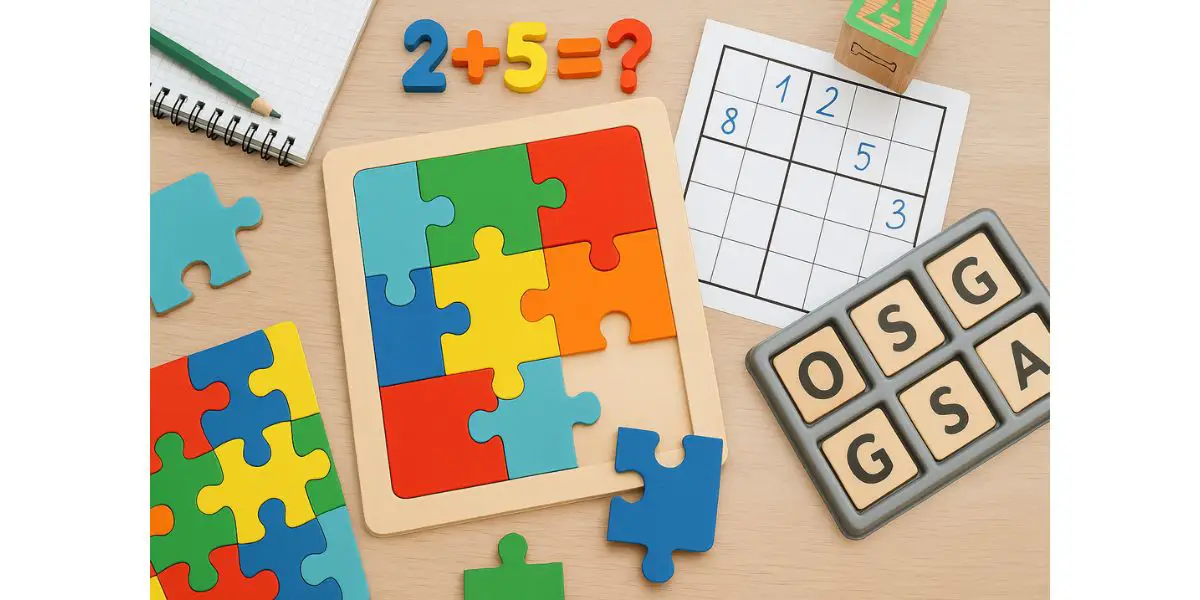
At home, learning can feel like a game. Puzzles, board games, and brain teasers are a fantastic way to build critical thinking and problem-solving skills. Games like Scrabble, Monopoly, or chess are all excellent choices for developing math and strategy skills.
There are also a wide variety of educational apps and websites that offer games on everything from language and math to history and science. These games are designed to be fun, so your child won’t even realize how much they’re learning. Plus, you can make it a fun competition, encouraging your child to beat their previous high score or challenge a sibling.
7. Encourage Creative Learning through Art and Crafts
Creativity plays an important role in your child’s development, and art can be a fantastic way to teach valuable skills while also fostering self-expression. Whether it’s drawing, painting, or crafting, the process of creating something allows your child to practice motor skills, spatial awareness, and even basic science principles.
You can turn art into a lesson by focusing on famous artists and art history or experimenting with new techniques and materials. Making art is also a great way to help your child think outside the box and come up with unique solutions to problems.
8. Focus on Consistency, Not Pressure
The key to integrating learning into family activities is consistency, not pressure. It’s important to remember that kids need time to relax and enjoy their childhood. Incorporating educational moments into your outings and daily activities should feel natural and fun, not like a chore. By blending education with entertainment, you’re helping your child develop a lifelong love for learning.
Conclusion
When it comes to helping your kids succeed academically, learning doesn’t have to be confined to the classroom. By incorporating educational activities into your everyday outings and experiences, you can support your child's development in a way that feels enjoyable and engaging. From outdoor adventures and museum visits to family road trips and interactive learning apps, the possibilities are endless. The best part? These activities don’t have to feel like traditional lessons—they can be fun, memorable moments that foster curiosity, creativity, and a love for learning.




Ashley Pugh ;
Ashley Pugh is one of the Co-Founders of Familydaysout.com and has been committed to writing family related content since 2008. There isn't much about family attractions that Ashley doesn't know, after visiting hundreds of them worldwide over the last 20 years.
Leave a comment