










Field Trip Journals That Boost Learning
Class outings excite students, yet their impact reaches far beyond a bus ride. Visits to museums, farms, or science centers supply fresh sights, sounds, and facts. Textbooks help, but lived moments provide texture that paper cannot match. The gains grow when children return and capture those moments in clear prose. Writing turns a day of exploration into lessons that last and guide growth. The task strengthens observation, recall, and analysis through careful, steady practice.
Many students whisper, I wish someone would write my paper for me. Turning thoughts into organized paragraphs feels hard and tiring for many learners. That challenge builds stamina and skill, which support success across subjects. This guide explains why field trips matter and how writing multiplies gains. It also outlines steps teachers can take and shares tips that stick. Together, these ideas turn each field trip into a learning engine. That habit carries into reading, listening, and problem-solving across the day at school and at home.
From Bus Ride to Brainstorm: Novelty Sparks the Mind

Novelty teaches with unusual force and sparks curiosity that fuels attention. During a trip, classroom walls give way to domes, trails, boats, and barns. Each new stimulus activates different areas and raises careful focus across tasks. Researchers report that fresh settings stir the hippocampus and support stronger memory. Back in class, students retell events and revisit that active neural network. They describe diesel smells, a guide’s crackling microphone, and a warm cow nose. Linking sensory detail to new vocabulary tightens memory and language skills. Shared experience lets peers prompt recall that deepens understanding and clarity. A classmate may say, Remember the comet lights sweeping across the ceiling. That cue helps another writer recall sequence, timing, and small yet helpful details. For teachers managing policy reviews, planned writing time preserves edge and novelty. Scheduling reflection directly after the ride captures impressions before they fade. Teachers can prompt quick sketches or labeled diagrams to anchor vivid impressions.
Writing Turns Moments Into Memory

Every outing brings a surge of excitement, then routine returns, and interest can wane. Writing acts as a time capsule that students can open long after. A sketch of a towering dinosaur bone beside a short note cements recall. Cognitive scientists call this the generation effect, where creation strengthens memory. Assigning travel logs, comic strips, or news articles taps that helpful effect. Revising drafts requires rereading notes and sources several times with care. Repeated review reinforces content and builds flexible knowledge structures that endure. These practices turn a fleeting field trip into a well-rooted concept map. Parents often notice richer dinner conversations with detailed stories and facts. Children describe displays, smells, textures, and names with growing confidence. A written record supports later units, projects, and assessments across the year. Memory gains grow when students revisit journals before related lessons begin. A living archive supports spaced review that strengthens durable, long-term recall.
Building Vocabulary With Real Context
Word study can feel abstract until hands and eyes guide meaning. During trips, students meet terms on placards or hear them from guides. Words like photosynthesis, artifact, and trajectory become linked to concrete scenes. Back in class, a word journal turns new terms into personal definitions. Each learner selects five unfamiliar words and defines them using observation. A clear example reads, artifact, the clay pot with zigzag lines I held. A quick sketch or photo near the entry strengthens meaning through multisensory input. Peer sharing adds breadth, since unique choices introduce different terms to classmates. Students then weave fresh vocabulary into a follow-up essay with precision. That practice reduces filler language and builds exact, grade-appropriate phrasing. Over time, the collected notebooks form a living dictionary for future work. Later science labs and history debates benefit from that shared reference. Teachers can model precise sentences that place each new term in a clear context.
Raising Critical Thinking Through Reflection After the Trip
Observation starts the process, and analysis advances deeper learning and insight. After unpacking backpacks, teachers pose open-ended prompts for reflection and comparison. Prompts address reasons field trips support community understanding and civic knowledge. Other prompts invite review of data that supports or challenges prior texts. A reflection essay may ask students to select three exhibits and rank their impact. Ranking requires explained criteria and pushes beyond simple lists of events. Brief small group talk before writing gives shy students rehearsal and confidence. Sharing essays aloud shows how common experiences still yield different interpretations. That discovery highlights the value of perspective, evidence, and careful reasoning. Teachers can extend learning by asking students to predict museum changes in ten years. Forward-looking analysis encourages planning, curiosity, and flexible thinking skills. A single day grows into a scaffold for future inquiry projects. Reflection logs can include quotations from guides paired with student interpretations.
Collaboration and Communication Through Group Reports
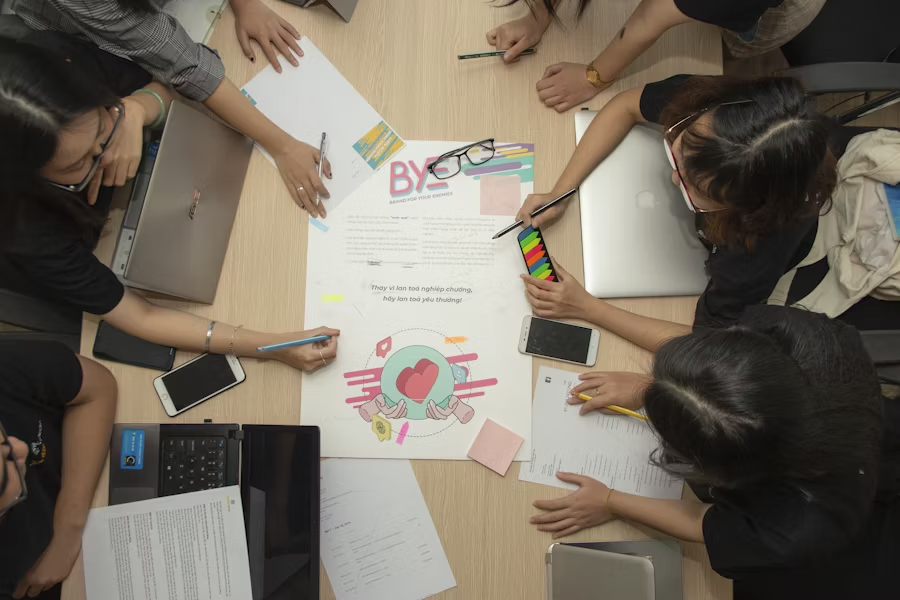
Writing need not be solitary, since teamwork strengthens craft and communication. Many classes create reports that combine text, photos, charts, and captions. Before drafting, the class agrees on core facts, feelings, and questions needed. A shared checklist helps teams align goals and maintain a consistent voice across sections. Dividing roles lets students play to their strengths while practicing calm negotiation. A writer drafts captions, a photographer selects images, and an editor monitors vocabulary. Designers shape layout, while presenters practice clear speech and pacing for audiences. Disputes arise about blurry photos or wordy lines, and teams mediate respectfully. Presenting to another class or posting on the school site raises the stakes. Audience attention encourages polish and care from start to final review. Deadlines mirror real publishing timelines and build steady time management habits. Rotating roles on future projects broadens experience and keeps teams flexible. Teams may also interview staff and include short transcribed excerpts in reports.
Linking Field Trips to Curriculum Goals
Leaders sometimes ask how trips link to required standards across subjects. Clarity grows when writing tasks become part of the planned experience. Teachers can map each paragraph to objectives like the main idea and evidence. Other goals include interpreting graphs and using accurate, domain-based vocabulary. Because trips can span science, history, art, and math, assignments show a range. Students graph water temperature readings collected aboard a research boat. They then explain patterns in neat prose that cite numbers and trends. Rubrics can honor creativity, voice, and personal insight along with accuracy. Printed or uploaded essays strengthen portfolios that document growth for accreditation. Writing about travel experiences links joyful exploration with clear accountability. Families appreciate visible ties between adventures and academic aims at home. Such alignment serves curious students and cautious administrators at once. Well-chosen mentor texts can model structure for reports and concise evidence use.
Fostering Ownership and Motivation
Students feel ownership when they write about discoveries and new understanding. A third-person summary can still center student action and findings with clarity. Phrases like the students observed and the class concluded mark achievement. Autonomy increases persistence during demanding work and supports durable motivation. After visiting a local recycling plant, the class designs posters urging reduced waste. Seeing words and graphics displayed along a hallway validates steady effort. That display also invites conversations with peers, staff, and visiting families. Teachers can amplify gains by allowing product choice across formats. One learner writes a poem, another drafts a report, and another assembles slides. Every option demands careful thought, revision, and helpful peer feedback cycles. A showcase that features every product turns hallways into a bright gallery. Students learn that writing matters in real life, not only during tests. Choice motivates practice, while shared rubrics maintain fairness and grade-level rigor.
Digital Tools That Enrich Field Trip Writing
Technology offers new ways to capture moments beyond pen and paper. Using tablets on the bus, students record short interviews about daily expectations. Back at school, those clips supply openings for a compelling multimedia report. Apps like Padlet or Google Earth let classes pin photos on a map. Pinning locations weaves geography into narrative and strengthens spatial reasoning and recall. Writing precise captions forces concise phrasing, an often overlooked yet vital skill. Voice-to-text features help emerging writers capture ideas quickly without spelling barriers. Teachers also coach digital citizenship across every step of the process. Students learn to credit sources, request photo permission, and avoid oversharing online. Publishing videos or slides on a secure class blog provides authentic feedback. Comments from families and classmates bring a helpful audience into the work. Digital tools expand the canvas, rather than replace strong, traditional essays. Simple folder names and timestamps keep files organized for smooth team collaboration.
Planning the Next Adventure: Teacher Tips That Work
Successful trips grow from careful preparation, clear goals, and calm routines. Begin by setting learning aims that emphasize observation, data collection, or creative sparks. Prepare vocabulary a week before departure to build background and ease anxiety. Layer prompts with a scavenger hunt that guides students to notes they will need later. Schedule writing time on-site or immediately after returning to the classroom. Offer choice among formats such as essay, poem, infographic, or video script. Plan peer review with buddy editing sessions before final submission to improve clarity. Connect each task to standards and benchmarks so students see strong relevance. Dedicate class time for reflection, revision, and potential publication beyond the classroom. Following these steps keeps a field trip from standing alone without links. Careful planning reduces stress and lets teachers share the same fresh wonder. That shared energy travels back to class and fuels many weeks of literacy growth. Invite another class to serve as an audience and provide kind, helpful comments. Use simple checklists so students can track progress and submit on time with pride.


Ashley Pugh ;
Ashley Pugh is one of the Co-Founders of Familydaysout.com and has been committed to writing family related content since 2008. There isn't much about family attractions that Ashley doesn't know, after visiting hundreds of them worldwide over the last 20 years.
Leave a comment