



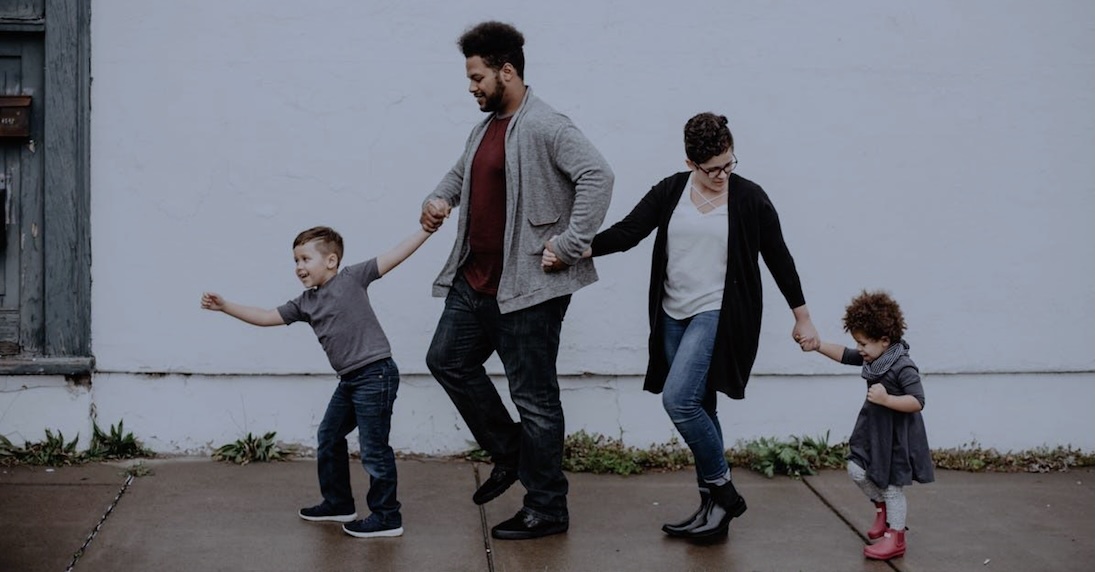







Whether you're planning a cross-country road trip or a weekend getaway to a neighboring state, the strategies in this guide will help you transform ordinary travel moments into extraordinary learning opportunities. Many parents even find that tools like a college essay rater can later help older children reflect on these meaningful experiences and turn them into strong personal narratives. Therefore, let’s explore some practical tips on how to turn your adventures into curiosity-driven educational experiences for your kids.
Building Anticipation Through Learning
The most important formula you need to keep in mind throughout the whole trip is that excited kids equal engaged kids. That’s why the learning adventure begins during the anticipation stage, long before you pack your bags.
Plan the trip together
Start by involving your children in the destination research process. Hand them the reins (age-appropriately, of course) and let them explore what makes your destination special. Younger children might enjoy picture books about the place you're visiting, while older kids can dive into travel blogs and YouTube videos. You can also give them ownership by letting them choose one historical site or museum they want to visit.
Create a travel journal
The next thing you can do is provide physical notebooks for drawing, tickets, and foreign currency, or writing down new local words. Have kids decorate the cover, write down questions they want answered during the trip, and sketch what they imagine they'll see. This journal becomes their companion throughout the adventure and a treasured keepsake afterward.
Assign age-appropriate missions for the trip
Your six-year-old might be the official “bug and bird spotter,’ while your teenager could be the “family photographer” or “cultural customs researcher.” When you give your children ownership over specific aspects of the journey, it increases their investment and attention to detail.
On the Road: Activities for Transit Time
Image by Jeshoots.com from Pexels
Long car rides and train journeys are golden opportunities for learning disguised as downtime.
Audiobooks are travel magic. Choose stories set in or related to your destination. Heading to Boston? Listen to “Johnny Tremain.” Visiting the Southwest? Try Tony Hillerman's mysteries or books about Native American history. In addition, you can download podcasts related to your destination's history or notable citizens. Sites like NPR or BBC often have excellent kid-friendly content that turns a boring highway into a story-filled journey.
Another idea is to create custom travel bingo cards before you leave by including items specific to your journey. This simple game keeps kids observing the world around them rather than spending hours on their smartphones.
Gamify Cultural Experiences
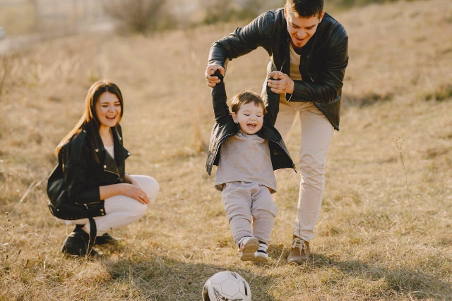
Image by Gustavo Fring from Pexels
Every parent knows that gamification is a secret weapon for keeping kids engaged without them feeling like they're in school. It’s possible to turn even the process of buying board games into a real adventure, let alone a whole trip to a new destination.
Culinary adventures
Trying new foods is an exciting experience on its own, but you can make it even more interesting and educational. Create a passport where kids get stamps for trying something new to celebrate adventurous eating. You can also ask restaurant staff about ingredients or the history behind dishes. On top of that, discuss how the climate affects what people eat to provide a lesson in ecology and climate science for your kids.
Nature and science are everywhere
The best thing you can do for your kids while traveling is to use natural environments as an example of all those things they’ve read about in textbooks. Moreover, children who might resist a museum will eagerly hike for miles if there's something exciting to discover.
- Use a nature identification map like iNaturalist or Seek to identify local plants, birds, or insects. This turns a simple walk into a scientific expedition.
- Dedicate an hour in the late afternoon for kids to work on their journals or scrapbooks. Solidifying the day's learning through drawing or writing is more effective than any quiz.
- Download a stargazing app that identifies constellations when you point your phone at the sky to open up astronomy in breathtaking ways for your kids.
- Beach and forest exploration naturally engages kids in hands-on science where they can examine tide pools and ecosystems.
- Use different climates and weather patterns as learning opportunities to explain to your children why it is so humid in Florida or how desert plants survive with so little water.
Take classes together
Without a doubt, every journey is an excellent chance for parents to learn something new as well. So, why not spend this learning time together? A pizza-making class in Italy, a lei-making workshop in Hawaii, or a pottery lesson in Santa Fe gives kids hands-on cultural learning they'll never forget. These experiences teach practical skills while creating a connection to place and tradition.
Create a travel memory box
Instead of buying generic souvenirs, collect meaningful items as you explore: a smooth stone from a special beach, ticket stubs from a memorable show, or a postcard from each location. These tangible memories become treasured learning artifacts that tell the story of your adventure.
Follow Your Child's Interests
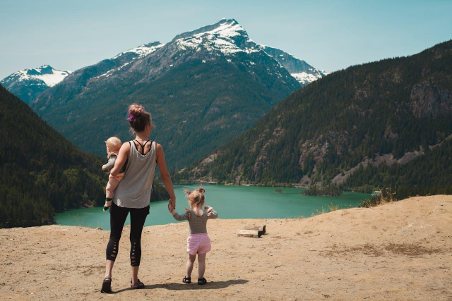
Image by Josh Willink from Pexels
The most powerful learning happens when it aligns with genuine interest because when children feel that their interests matter, they're more observant and eager to learn about everything. Consequently, let your children's natural curiosities guide some of your travel plans rather than forcing your agenda.
For instance, if you have an art-loving child, prioritize galleries and street art tours. In cities around the world, street art walks offer free, engaging ways to explore neighborhoods while discussing artistic expression and cultural identity.
History buffs might love historical reenactments or battlefield sites. Gettysburg becomes infinitely more interesting to a kid who's already fascinated by the Civil War. Let them research beforehand and act as the family expert on these visits to support their passion.
Science enthusiasts will light up at science museums, but also seek out natural phenomena. The geysers at Yellowstone, bioluminescent bays in Puerto Rico, or even a local planetarium transform abstract concepts into unforgettable experiences.
How to Keep Learning Alive After the Trip
The adventure doesn't end when you get home, as post-trip reflection is vital for cementing the knowledge gained.
One of the possible ways to do so is to have each family member create a short presentation using PowerPoint or a simple poster board to share their favorite experience and what they learned. We are sure your imagination will help you develop the most appealing activities for your family.
All in all, by embracing a mindset of intentional fun and curiosity-driven exploration, you move past the guilt of educational duty and into the joy of shared discovery.
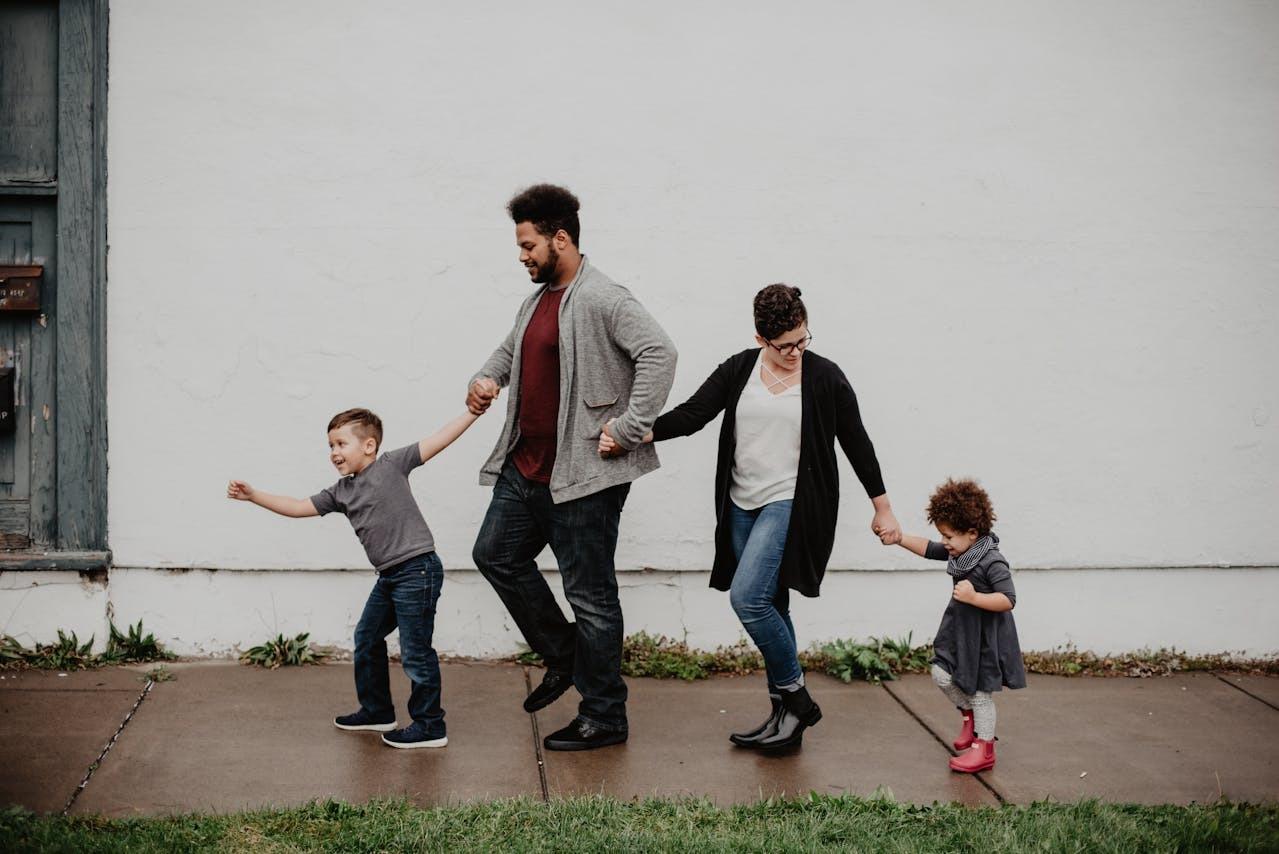
Image by Emma Bause from Pexels

Ashley Pugh ;
Ashley Pugh is one of the Co-Founders of Familydaysout.com and has been committed to writing family related content since 2008. There isn't much about family attractions that Ashley doesn't know, after visiting hundreds of them worldwide over the last 20 years.
Leave a comment