



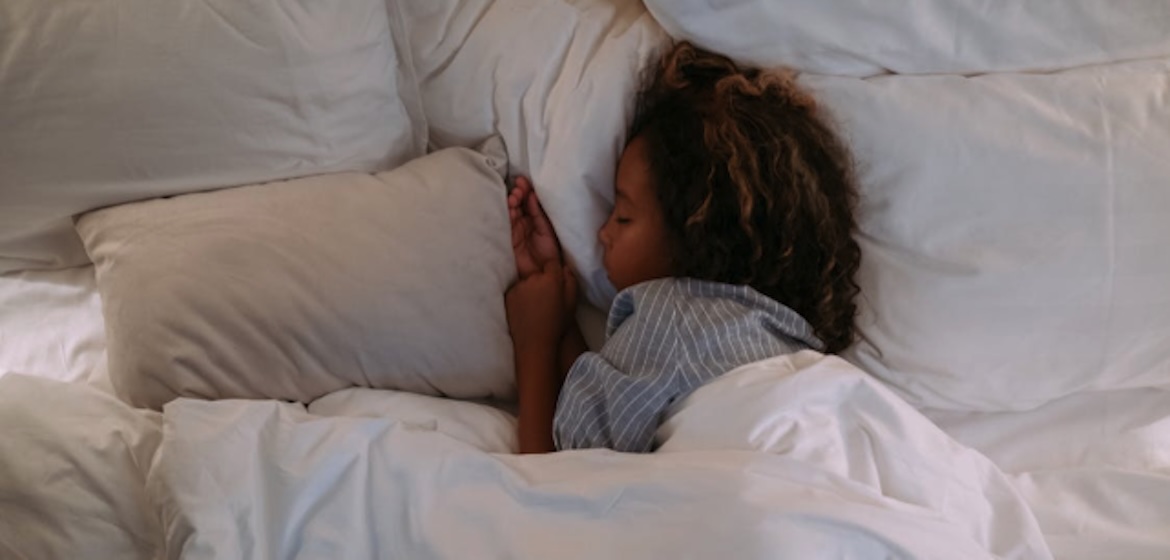







So, consider these seven…
1. Help Your Kids to Get Exercise During the Day
Did you know that exercising during the day can improve sleep quality?
Various studies have shown that daytime exercise can lead to better sleep during the night, like this 2023 study published by the National Library of Medicine.
That study concluded that:
- Moderately-intense physical activities are most effective.
- High-intensity exercise (particularly close to bedtime) may, conversely, lead to difficulty in sleeping.
So, help your kids to get plenty of exercise during the day - but not close to bedtime. That shouldn’t be too difficult - as most travels involve lots of activities in the daytime and winding down as evening approaches.
But if you’re driving all day, make sure there are plenty of stops during the day to enable your kids to let off steam.
2. Don’t Let Your Children Use Screens Right Before Bedtime
Many studies have shown that the blue light from screens can cause poor sleep.
Take, for example, this study that was published by Chronobiology in Medicine in 2024.
It found that excessive exposure to blue light from electronic devices can affect sleep by suppressing the melatonin hormone (which regulates the body's sleep-wake cycle).
Yes, it may be tempting to let your kids have more screen time than normal during travels (to keep them occupied during car journeys or to help them relax at hotels, for instance). But you should actually make sure that they don’t use devices before bedtime.
Most experts suggest putting screens away at least an hour before bedtime.
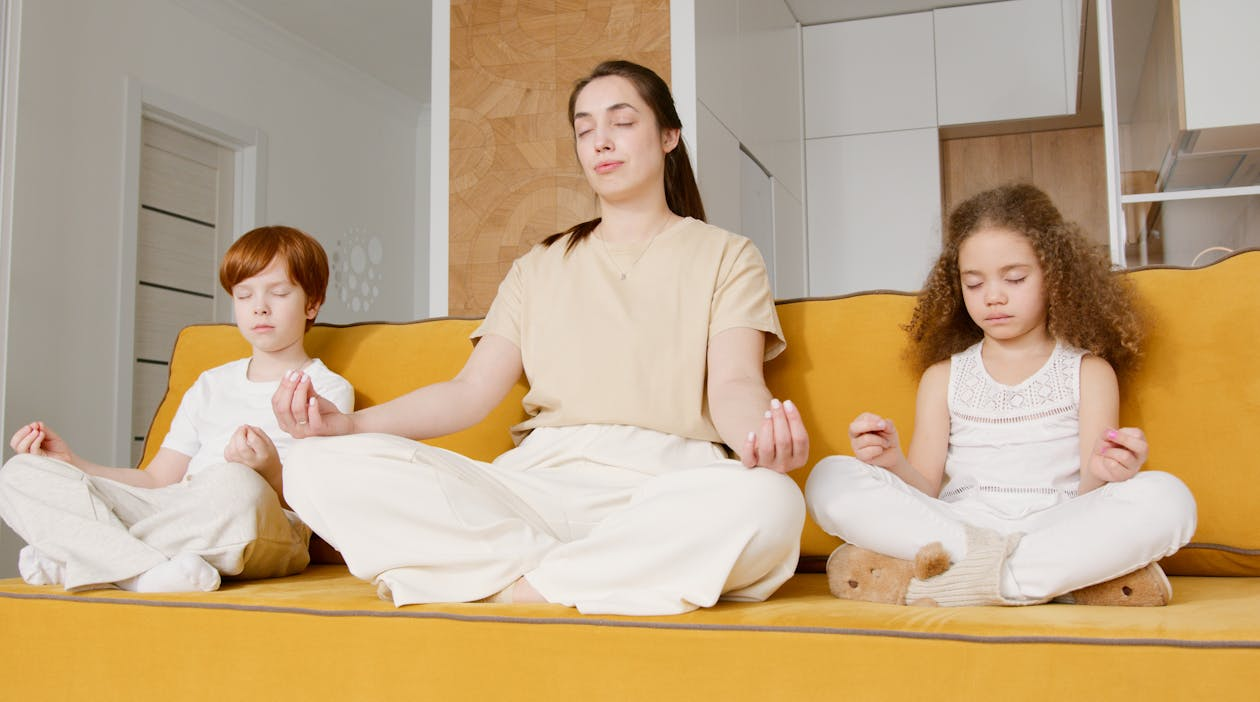
Image source: Pexels
3. Try Meditation Apps
Swap screens for meditation!
There are several meditation apps you could use (which involve listening to calming music or guided voices, rather than looking at screens) that may help your children to sleep better during travels.
The best apps? They include:
- Calm, which includes specific content for children.
- Headspace for Kids, which provides meditations specifically designed to help children sleep better.
- Smiling Mind, which contains meditations for both children and adults.
The more relaxed your children are before bedtime during travels, the easier it will be for them to drift off.
4. Leverage White Noise - Or Even Pink or Brown Noise
In addition to meditation apps, you could try using white noise apps.
You can get white noise through dedicated apps like:
- White Noise Lite.
- BetterSleep.
- Noisli.
White noise helps to improve sleep by:
- Masking disruptive sounds.
- Creating a consistent background to prevent sudden noises like traffic or doors slamming (which can be common at hotels) from interrupting sleep.
Pink and brown noise are other options that are gaining popularity as sleep aids - for both adults and children.
Unlike white noise, which is created by using all frequencies at once, pink noise lowers the highest frequencies a little and brown noise lowers them further.
Both pink and brown noise sound less harsh. Therefore, many adults and kids prefer them over white noise.
5. Give CBT-I a Go
You may know that cognitive behavioral therapy (which is commonly abbreviated to CBT) is a type of talk therapy that changes how people think and behave.
Well, CBT-I is a type of CBT. Basically, it’s cognitive behavioral therapy for insomnia.
If your children’s sleep problems occur regularly (beyond travels), CBT-I may undoubtedly be worth trying.
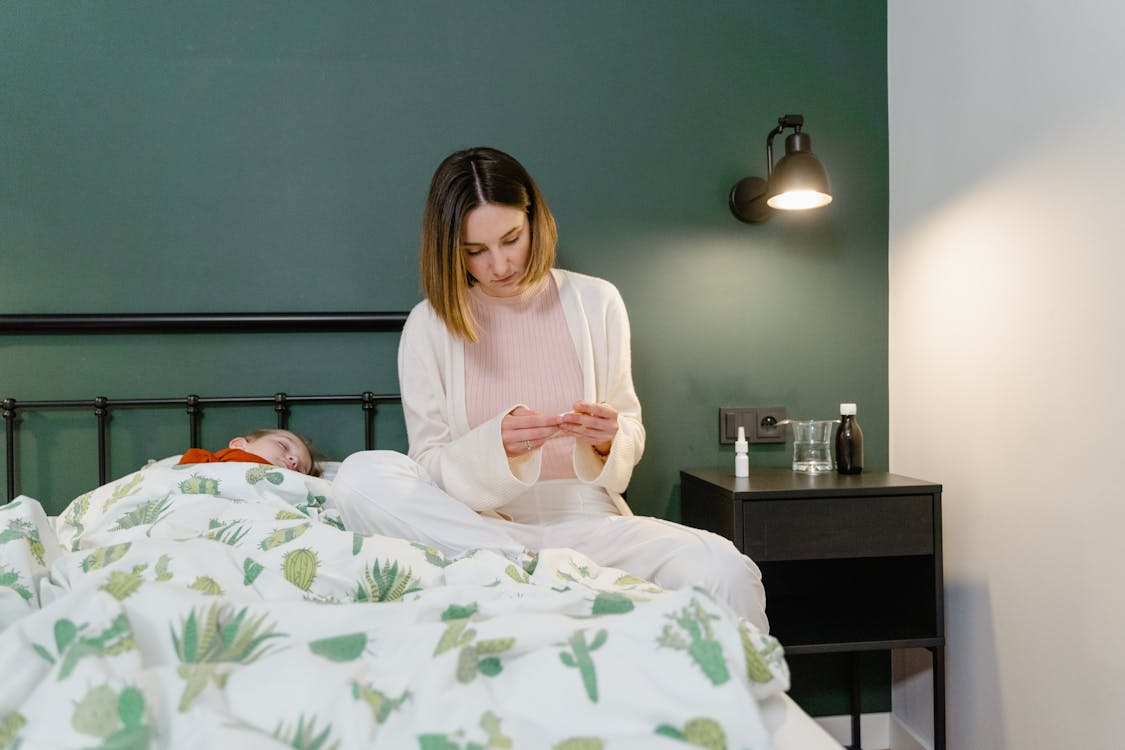
Image source: Pexels
6. Consider Melatonin Supplements
We touched upon this earlier: melatonin regulates your body's sleep-wake cycle.
Any adult who struggles to sleep could benefit from melatonin supplements.
In fact, one of the best options is to use a supplement that combines melatonin and magnesium - as magnesium's linked with deeper sleep.
This solution is ideal for those who find it difficult to fall asleep or stay asleep
While other techniques for sleeping better should be tried first, melatonin can be taken by children. However, it is typically recommended for short-term use. And it should only be used by kids after consulting a doctor or sleep specialist.
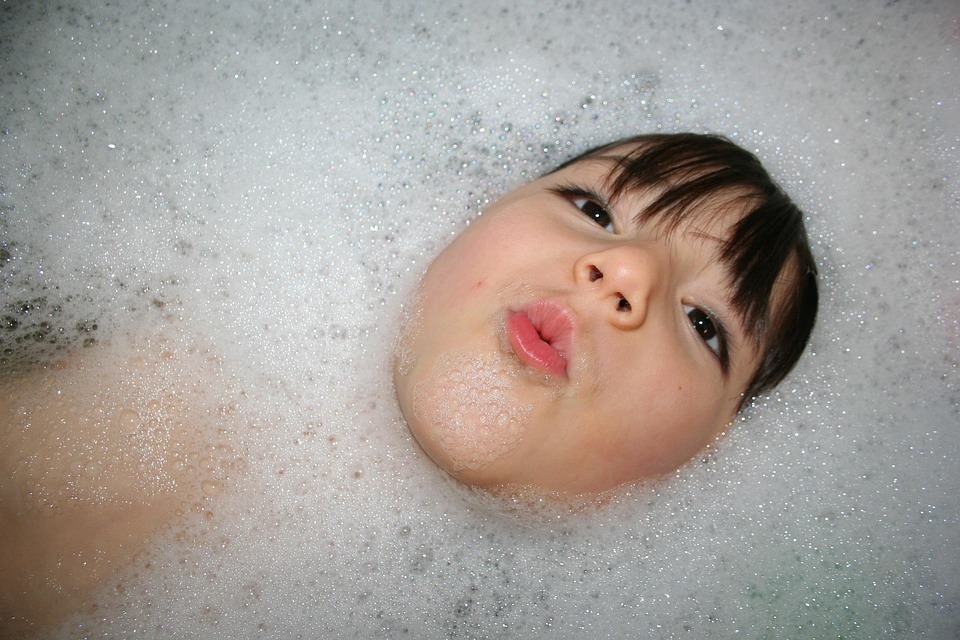
Image source: Pixabay
7. A Warm Bath Could Be Just What the Doctor Ordered
Sometimes, traditional options are the best. It’s long been known among parents that a warm bath before bedtime can help children to sleep. Well, studies now back up those claims.
A warm bath in the evening is good for improving sleep because it increases the amount of the sleep hormone melatonin that the body can make.
Warm baths increase the amount of slow-wave or non-REM sleep that a baby or a child gets.
So, if your children are struggling to sleep at hotels or B&Bs, having a warm bath ahead of bedtime may be the best option.
If you’re camping or driving into the night, however, a bath might (obviously!) be out of the question. Thankfully, there are plenty of other options available, such as those above, to help your kids sleep soundly while away.
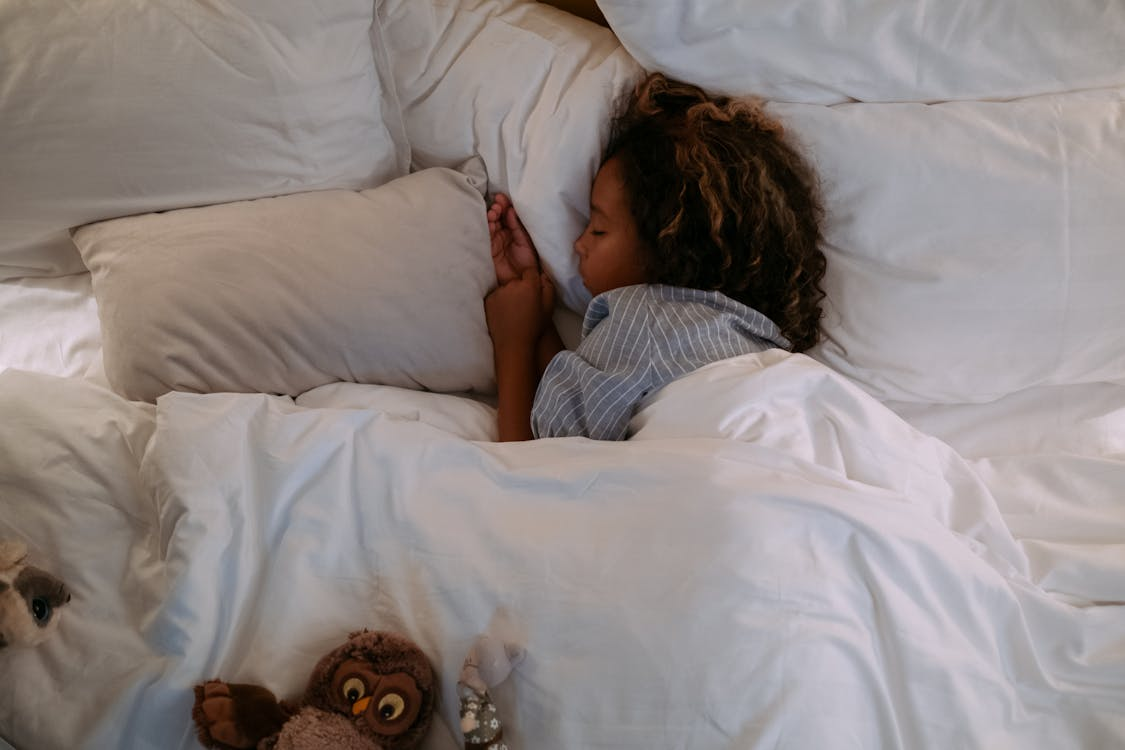
Image source: Pexels
Author bio: Harry Wolf is a freelance writer. For almost a decade, he has written on topics ranging from fun travel tips to business leadership for multiple high-profile websites and online magazines.


Ashley Pugh ;
Ashley Pugh is one of the Co-Founders of Familydaysout.com and has been committed to writing family related content since 2008. There isn't much about family attractions that Ashley doesn't know, after visiting hundreds of them worldwide over the last 20 years.
Leave a comment