



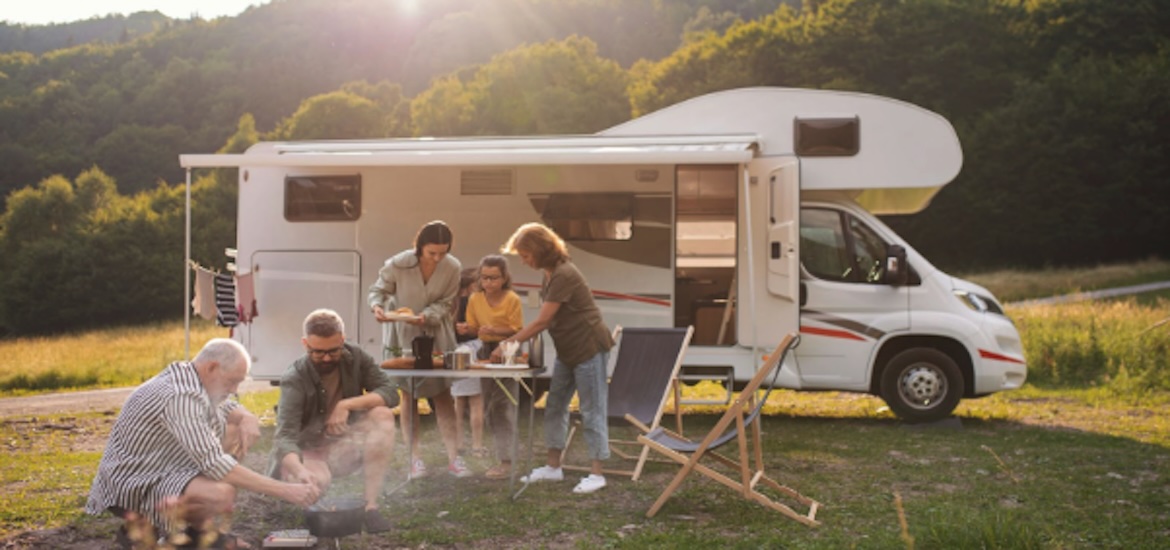







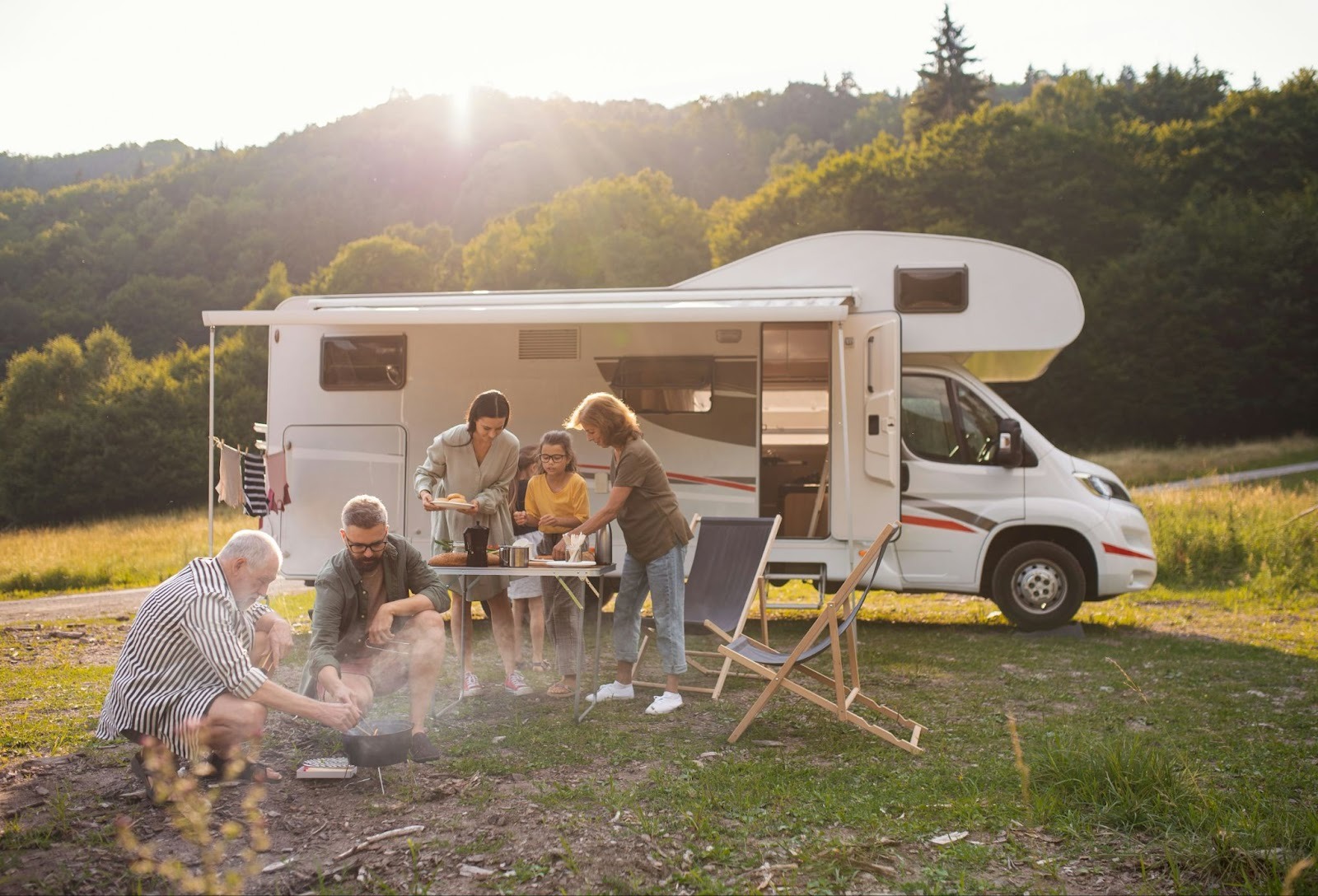
A growing number of RV owners report travelling with children and younger age groups entering the lifestyle.
The best RV trips for families need more than scenic destinations. Family-friendly amenities have become standard at many modern RV parks - playgrounds, nature trails, dog-friendly facilities, and splash pads make the lifestyle more appealing. Smart preparation for safety matters. Families typically spend a few hundred dollars daily on fuel, food, campground fees, and activities, so investing in a safe, stress-free trip makes sense.
Choosing and Preparing Your RV for Safe Travel
Picking the right RV starts with safety features that protect your family. Many modern RVs include anti-lock braking systems, electronic stability control, and traction control systems to help keep you in control during unexpected situations. On towable units, a trailer brake controller and proper hitch setup are must-haves.
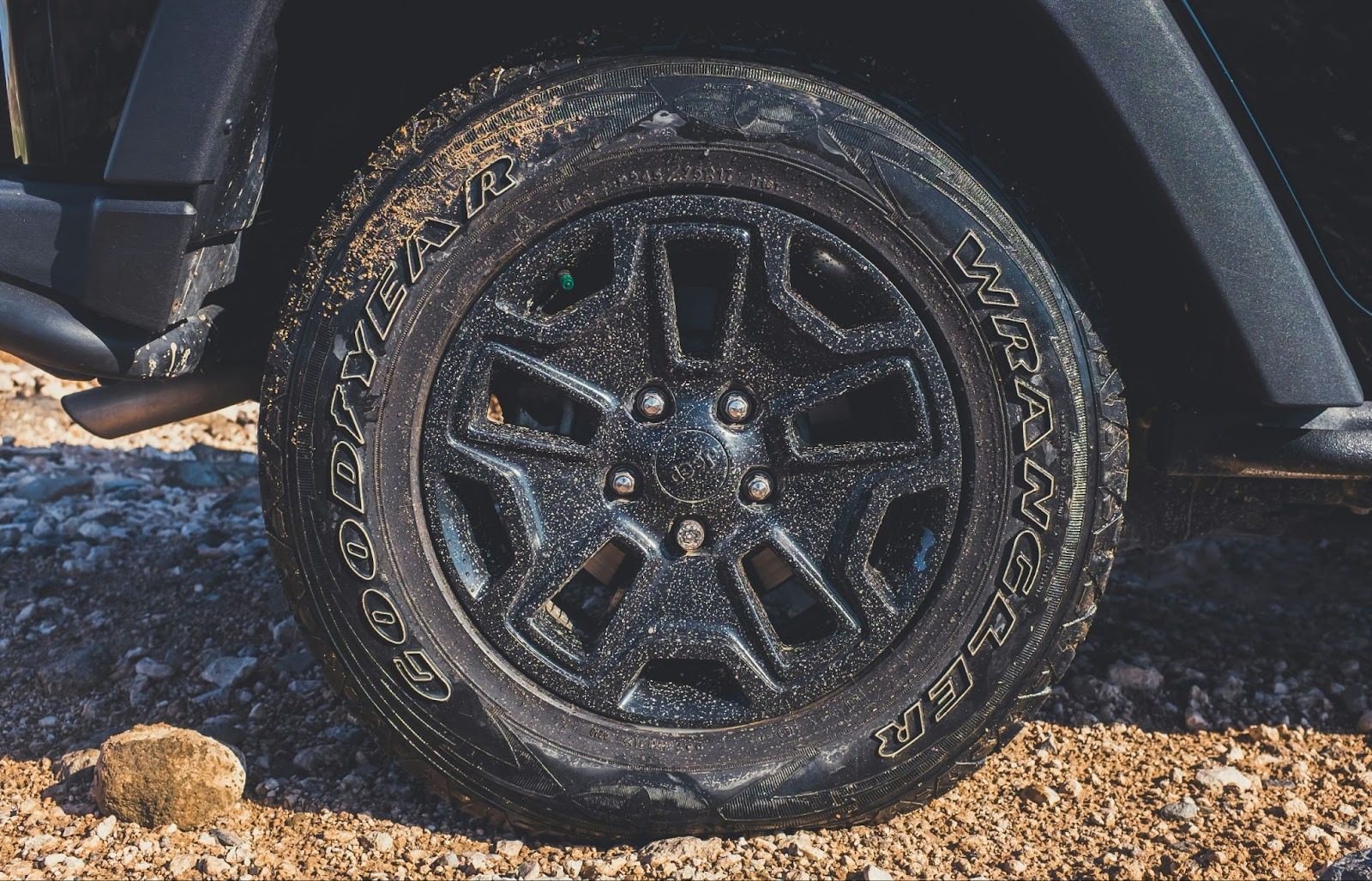
A full pre-trip inspection is your best defense against roadside troubles. Your tires need extra attention - check tread (for example, a minimum of 4/32" on steering tires is often cited) and pressure. Many experienced RVers install a tire pressure monitoring system because tire problems are a frequent mechanical cause of RV incidents. Your brakes, fluids (oil, coolant, transmission, power steering, washer), and battery - especially because cold and altitude can reduce performance - must all be checked.
Ensure you have working smoke and carbon monoxide detectors (replace units older than seven years), a fire extinguisher (check gauge regularly), a propane leak detector, and surge protection for the electrical system. If you’re carrying children, ensure that child-safety features are properly installed (for example, seats tied to the vehicle frame, safety latches on cabinets, rails in bunks) and turn off propane when not in use.
Something as simple as making sure you have the right number of RV mattresses and camp chairs can be the difference between an amazing trip and a good trip with some sore backs.
Smart Planning for a Safe and Smooth Journey
Smart planning makes family RV adventures enjoyable and safe. Navigation apps built for regular cars may not consider an RV’s height, weight, or propane restrictions - use specialized RV trip planners that allow you to set your vehicle’s dimensions, avoid low clearances and steep grades, and plan comfortable daily driving distances.
Evaluate your chosen campgrounds ahead of time - look for gated access, good lighting, staff or hosts on site, and satellite views to spot potential hazards like fast-moving water or steep drop-offs. Make sure you download offline map coverage (for example, via Maps.Me) because cell service in remote areas can be unreliable.
Balance your day’s drive time - many RV safety guides recommend limiting travel to around seven hours or stopping early in the day - to reduce fatigue, allow for daylight arrivals, and avoid hazard-filled late-day driving when crosswinds or fading light increase risks.
Keeping Everyone Safe and Engaged on the Road
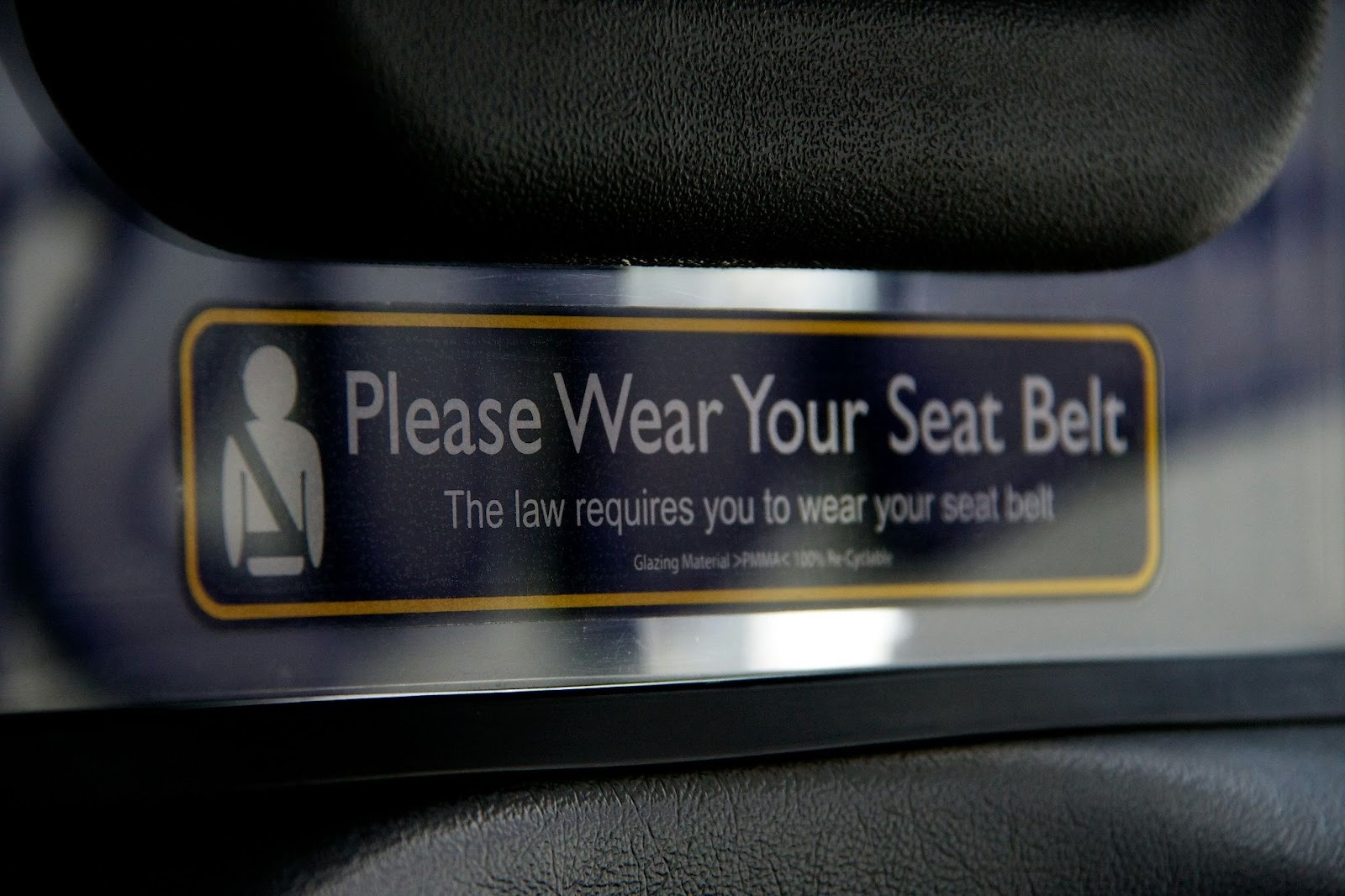
Safe transit is the backbone of memorable family RV trips. All occupants need proper restraint - children in appropriate car seats or booster seats, installed according to the manufacturer’s instructions and secured to the vehicle frame, not merely the floor or walls.
RV driving poses special challenges: the size, weight, and handling differ from a regular car. You should allow for slower speeds, especially in strong crosswinds, and watch for common hazards such as tire blowouts or driver fatigue.
Beyond driving, keep your kids occupied with observational games like license plate bingo or travel journals - these help focus their attention outward rather than at screens. Pack healthy, mess-free snacks like trail mix, string cheese, and pre-portioned containers to avoid “hangry” moments that can erode patience on the road. Keep a well-stocked first-aid kit within reach - bandages, antibiotic ointment, pain relievers - so you’re ready to handle minor issues before they escalate.
What to Do If an Accident Happens
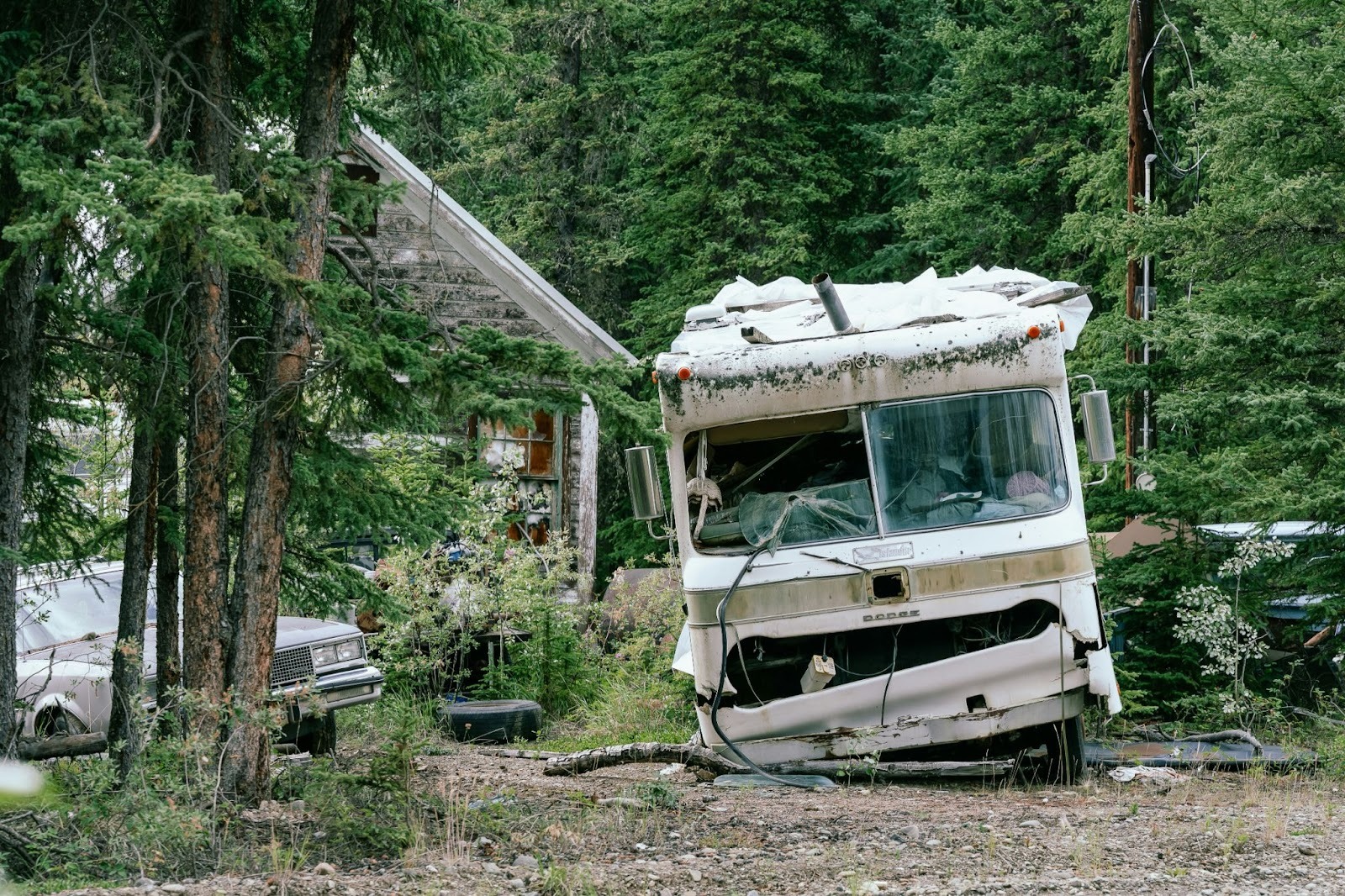
Being involved in a collision, even a seemingly minor one, can be a jarring experience with many immediate and delayed consequences. Beyond exchanging insurance details, many people are unsure what steps to take next to protect their interests. ConsumerShield can provide crucial guidance on everything from reporting the incident to connecting with a relevant attorney. Whether you’re in your own car or a rental RV, understanding your rights and documenting the scene properly will help ensure that your family’s safety and financial well-being remain protected.
Conclusion
RV adventures offer families the chance to explore, bond, and build lasting memories - but only when safety is a priority. Choosing an RV with modern safety features, performing a thorough pre-trip check, planning carefully for terrain and campgrounds, and ensuring everyone is secured and engaged on the journey will set you up for a great experience. And should the unexpected happen, knowing where to turn - like ConsumerShield - gives you peace of mind. With good preparation, you’ll spend more time enjoying the open road and less time worrying about what might go wrong.

Ashley Pugh ;
Ashley Pugh is one of the Co-Founders of Familydaysout.com and has been committed to writing family related content since 2008. There isn't much about family attractions that Ashley doesn't know, after visiting hundreds of them worldwide over the last 20 years.
Leave a comment