










Introduction to Indoor Activities
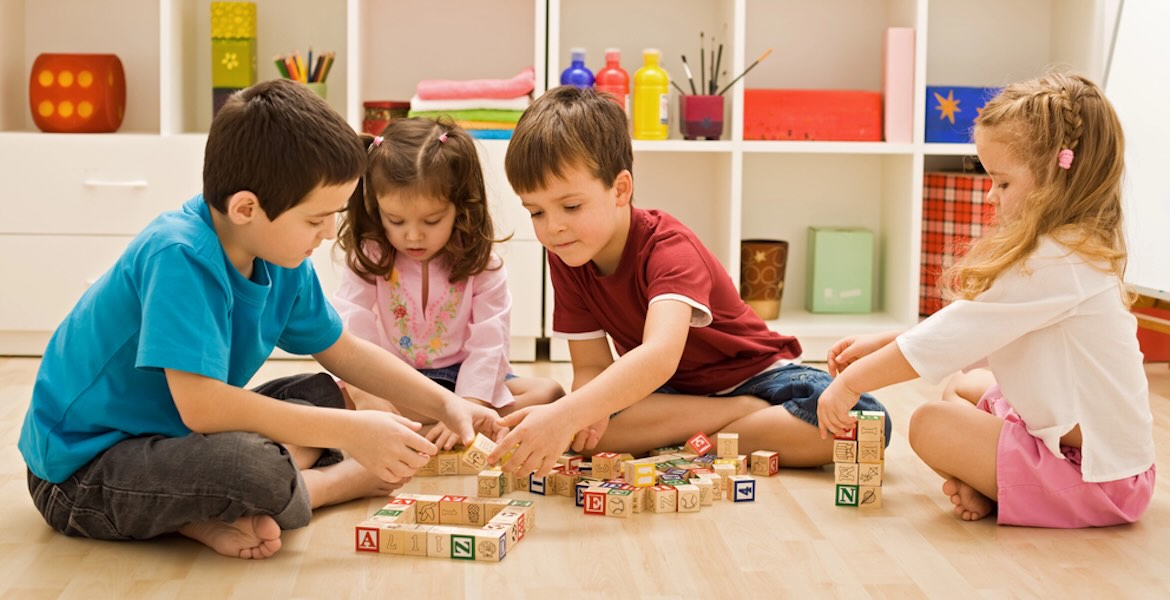
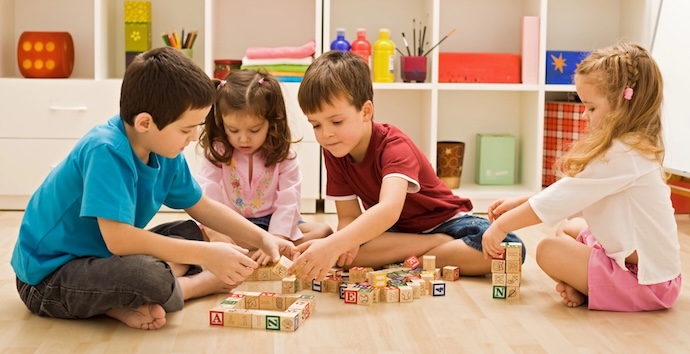
Winter can make keeping children entertained indoors challenging. However, exploring engaging activities is crucial for maintaining their energy and happiness. These activities prevent boredom while encouraging learning, creativity, and fitness in a warm environment. Whether it's crafting or indoor sports, ensure your kids stay active and joyful.
Indoor activities enable children to learn and have fun, providing warmth and security.
Source: Depositphotos
Creative Arts and Crafts
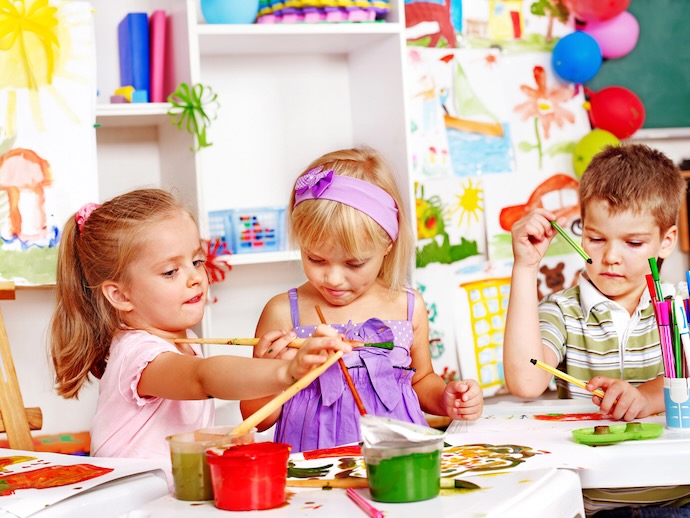
Indoor Craft Kits
Craft kits refer to pre-made collections of materials that inspire creativity. They offer step-by-step instructions, facilitating children's venture into art. Choices include painting, bead-making, and clay modelling. Crafting enhances self-esteem and fine motor skills.
DIY Art Projects
DIY art projects involve creating art using household items like magazines for collage or papier-mâché. This means promoting problem-solving and resourcefulness. It is also a cost-effective method to engage children creatively.

Source: Depositphotos
Physical Activities
Obstacle Courses
Setting up an indoor obstacle course using household items encourages coordination, balance, and physical fitness. Adapt the complexity to suit different age groups, ensuring each child's experience is fun and challenging.
Dance and Movement
Transform your home into a dance floor with children’s favourite tunes. Dancing improves flexibility and mood. Additionally, consider online tutorials to introduce new moves, promoting community and cultural learning.

Source: Depositphotos
Educational Games
Puzzle Challenges
Puzzles mean engaging in activities to improve cognitive and problem-solving skills. According to experts, they range from simple jigsaws to complex brainteasers, catering to various ages and enhancing memory.
Indoor Activities FAQs
Explore common questions about indoor kids activities to keep young children engaged and entertained.
Building simple obstacle courses with pillows or hosting a mini dance party can keep toddlers active indoors. These activities stimulate physical and cognitive development, ensuring endless fun.
Create an obstacle course using cushions, chairs, and cardboard boxes to encourage agility and coordination. Ensure safety by supervising and adapting challenges to your child's skill level.
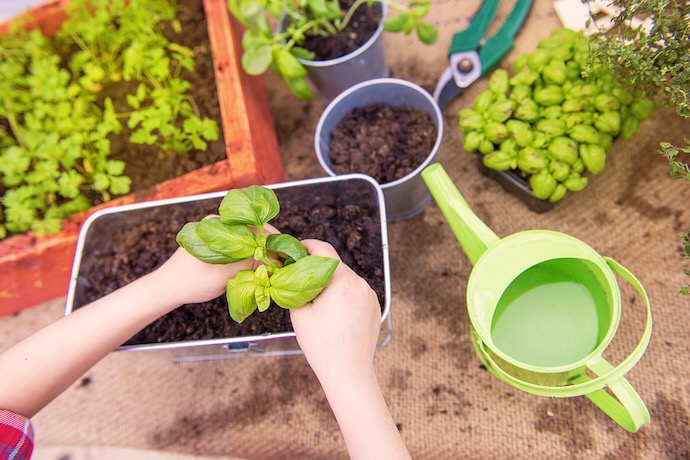
Indoor gardening teaches children about the environment, responsibility, and patience. It provides a hands-on approach to understanding plant care while fostering a connection with nature indoors.
Yes, indoor activities significantly contribute to a child's cognitive, physical, and social development. Activities like puzzles, cooking, and reading boost problem-solving and critical thinking skills.
Preparing no-bake treats or simple sandwiches can introduce kitchen safety and basic cooking skills to children. Always supervise and choose child-friendly recipes for a fun culinary experience.
Interactive Learning Apps
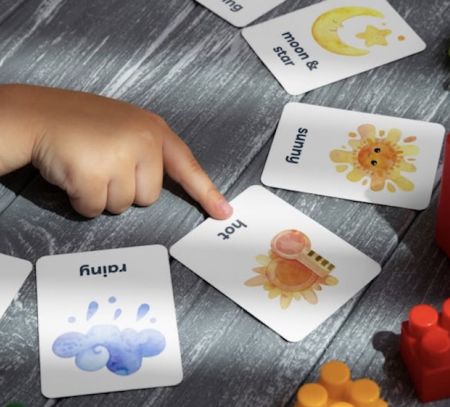
Interactive learning apps provide a gamified experience to improve language, maths, and critical skills. Research shows they offer a modern way to ensure educational engagement.
Source: Depositphotos
Indoor Gardening
Plant a Small Herb Garden
Planting a small herb garden teaches children about nature and responsibility. It involves growing herbs like basil indoors, promoting understanding of plant care and patience.
Create a Mini Terrarium
Creating a mini terrarium involves arranging small plants inside a glass container, providing a hands-on activity related to ecosystems and biology.

Source: Depositphotos
Cooking and Baking
Simple Baking Recipes
Introduce children to the kitchen using simple baking recipes like cookies and flapjacks. This refers to learning basic kitchen skills, measurements, and healthy eating discussions.
Cooking Demonstrations
Host cooking demonstrations to involve children in preparing meals. Explaining each step enhances understanding of ingredients and culinary arts. For instance, learn about international cuisines and meal planning.
Source: Depositphotos
Exploring Storytelling
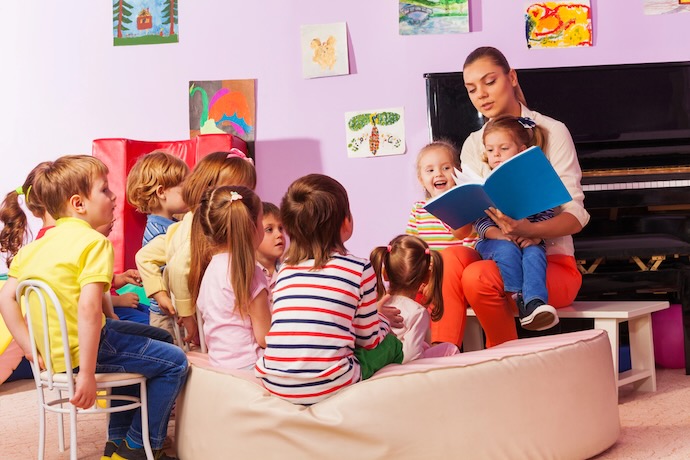
Reading Circles
Form reading circles to delve into imaginative worlds. This practice develops language skills, encourages creativity, and involves discussing themes for deeper comprehension.
Story Creation and Acting
Encourage creating and acting out stories to develop narrative skills. Using costumes and props enhances creativity and boosts confidence, fostering an immersive storytelling experience.
Key Takeaway
In conclusion, the key takeaway of these indoor activities is the development of essential skills while ensuring fun. Therefore, tailor these activities to your child’s interests and fill winter days with laughter and learning.
Source: Depositphotos


Ashley Pugh ;
Ashley Pugh is one of the Co-Founders of Familydaysout.com and has been committed to writing family related content since 2008. There isn't much about family attractions that Ashley doesn't know, after visiting hundreds of them worldwide over the last 20 years.
Leave a comment