



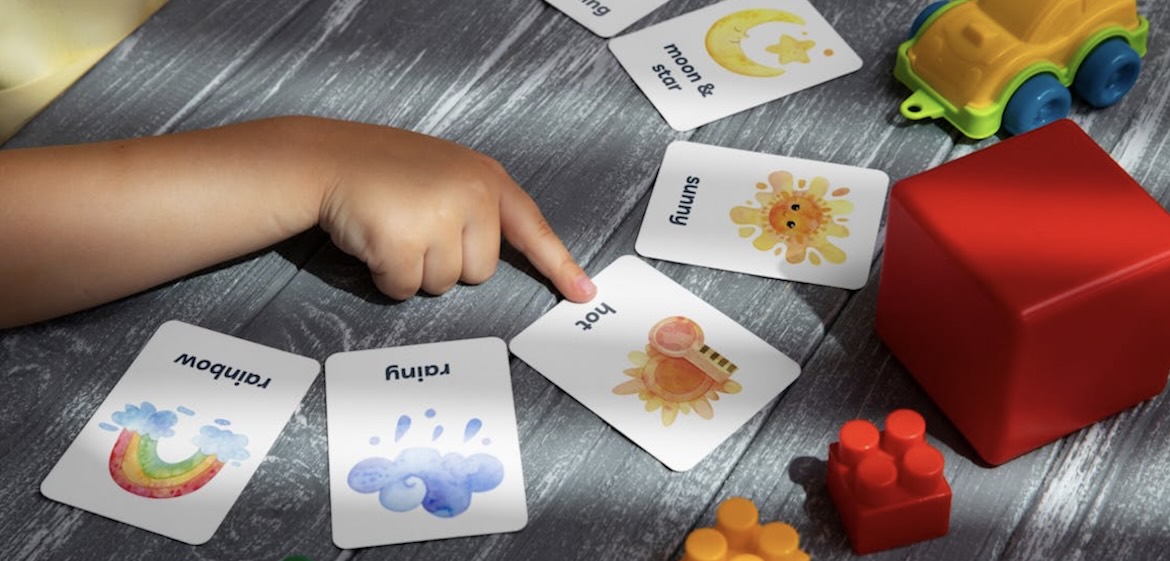







The sections below walk through clear, practical activities parents can set up at home without turning learning into a battle.
Mystery Scavenger Hunts
Try a mystery scavenger hunt! Write simple clues and hide them around the house. Each clue leads to the next location after a task is completed. Tasks could include reading a sentence, solving a math problem, or identifying an object.
Adjust clues based on age and ability. Younger kids can match colors or shapes. Older kids can solve riddles or word problems before moving on.

DIY Board and Card Games
Create a board game using paper, markers, and dice. Each space on the board can include a small task like spelling a word or answering a math question. Players move forward only after completing the task.
Card games work the same way. Write questions or prompts on index cards. Shuffle the deck and take turns drawing cards.
According to guidance shared by Kids On The Yard, hands-on play (like that in these games) supports focus and problem solving. Parents often see better cooperation during games that kids help to create themselves.
Creative Flashcard Games
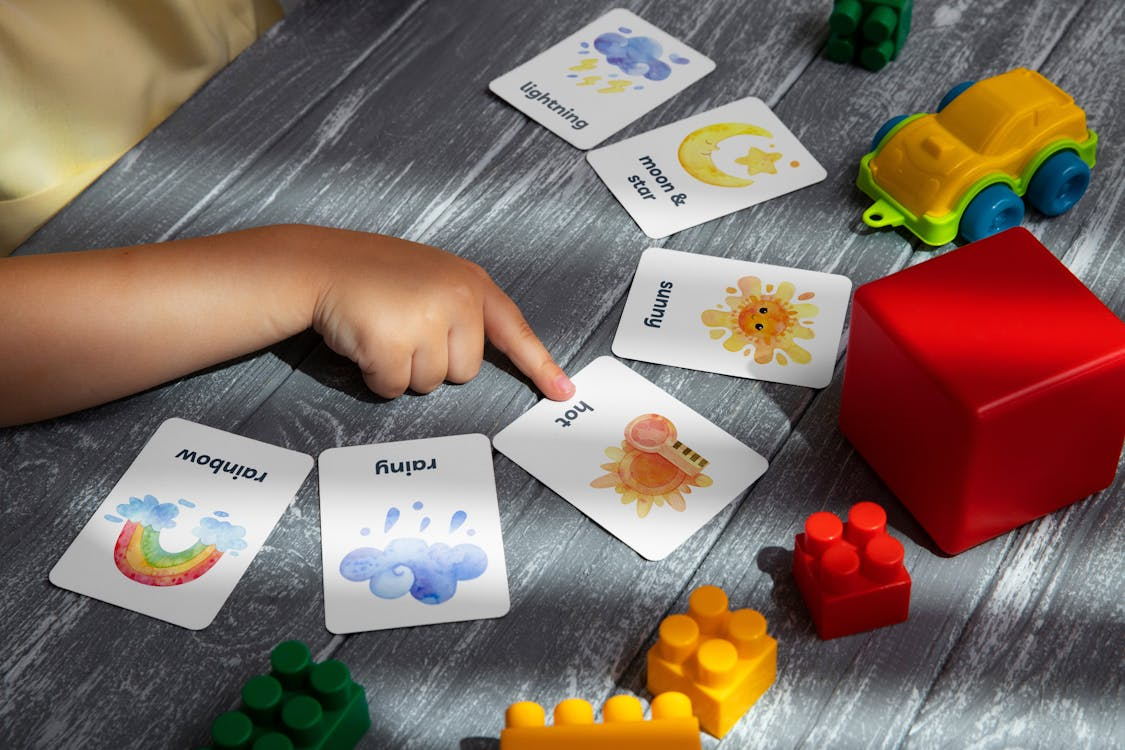
Parents can use online flashcards, such as the custom ones you can create with Canva, to engage learners visually.
Here’s an idea: lay flashcards on a table or stick them to a wall. Then, ask a question and have the child point to or grab the correct card. Take turns answering so that the game keeps moving.
Another game involves laying cards face down and flipping two at a time to find a matching pair.
Here are some other simple flashcard games to use:
- Place cards face up and race to touch the correct one
- Flip one card and say the answer out loud
- Sort cards into piles based on category
Cooking Challenges
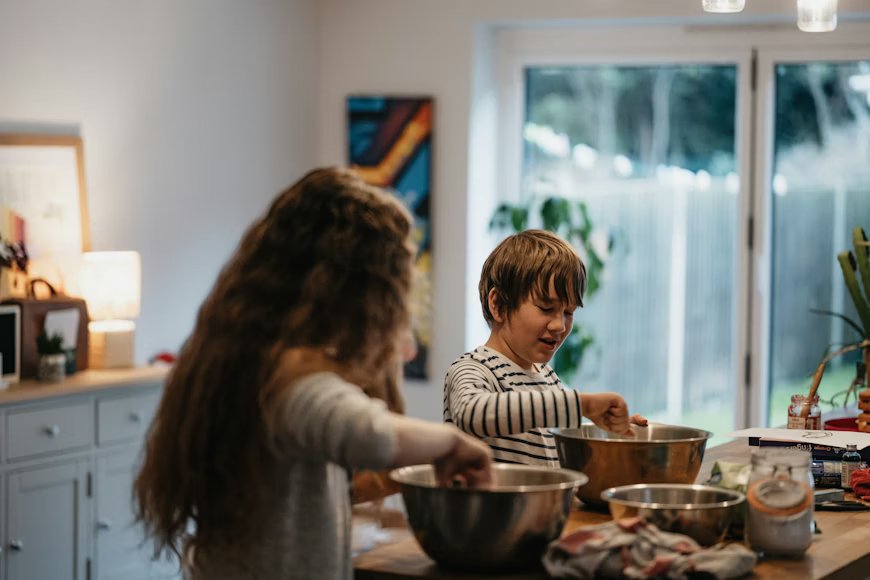
Choose a simple recipe and assign steps to the child. Reading the recipe becomes part of the task. Measuring ingredients requires counting and comparison.
Turn cooking into a challenge by timing steps or checking accuracy. Kids can double or halve ingredients with help. Finished food provides immediate feedback.
Routine-based, screen-free activities help children stay focused. And cooking fits easily into daily schedules without adding extra lessons.
Open-Ended Art and Building Challenges
You could set a clear challenge instead of giving instructions. For instance, ask the child to build the tallest structure or draw a picture that tells a story. Provide materials and step back.
Blocks, paper, tape, and recycled items work well. Kids can solve problems as structures fall or designs change. Trial and error will drive the activity forward.
A case study published by RSIS International shows that play-based activities at home support academic and social development. Parents who participate lightly often see stronger results.

Role-Play and Pretend Scenarios
Set up a simple role-play scenario like a store, restaurant, or post office. Assign roles and let the child run the interaction.
Writing signs or menus adds reading and spelling practice. Money, lists, and basic math fit naturally into pretend play. Conversations will support vocabulary and confidence. And sessions can last as long or as short as needed.
Making Fun Learning Activities for Kids at Home Work Long-Term
Fun learning activities for kids at home work best when routines stay simple. Short sessions fit more easily into busy days. Repeating activities builds familiarity without boredom.
Parents can rotate activities weekly to keep interest high. Choice helps kids feel involved. Fun learning activities for children at home feel sustainable when pressure stays low.
Parents can continue the conversation, ask questions, or explore related service pages to support learning routines.




Ashley Pugh ;
Ashley Pugh is one of the Co-Founders of Familydaysout.com and has been committed to writing family related content since 2008. There isn't much about family attractions that Ashley doesn't know, after visiting hundreds of them worldwide over the last 20 years.
Leave a comment