











That’s why student well-being and school support are so closely connected. Children do better when they feel safe, understood, and noticed by the adults around them. For families, that support doesn’t have to look dramatic to matter. Often, it shows up in everyday school life, like having a trusted adult to talk to, getting help with friendship issues, or knowing someone will step in when stress starts affecting attendance, focus, or confidence.
What School Support Looks Like Day to Day

For most children, support at school is not only about academics. It’s also about knowing there’s someone who will listen when they are anxious, lonely, frustrated, or having a hard time fitting in. A teacher may notice a change in mood. A counselor may help a student work through a conflict with friends. A staff member may help a child settle in after a difficult morning at home.
These moments may seem small, but they add up quickly. Children tend to feel more secure when school is a place where adults pay attention to how they are doing, not just how they are performing. That sense of connection matters because school belonging and emotional safety can shape how willing students are to participate, ask for help, and stay engaged during the day.
Why Trusted Adults Matter So Much
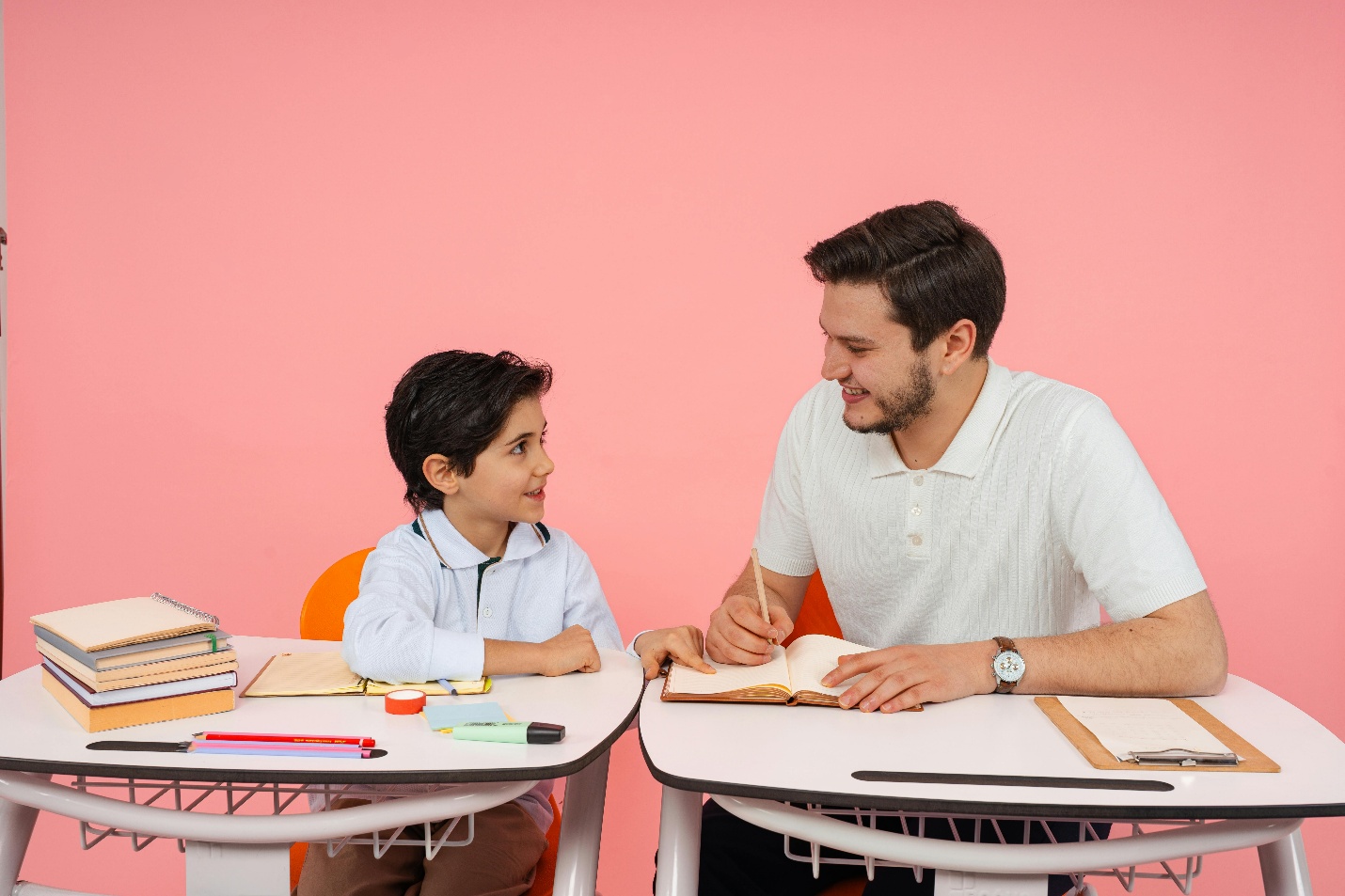
One of the most important parts of student well-being is having at least one adult at school who feels approachable. For some children, that is a classroom teacher. For others, it may be a counselor, coach, or support staff member who makes them feel seen.
That relationship matters because children do not always tell parents everything right away. They may feel embarrassed about friendship problems, nervous about a test, or unsure how to explain that school has started to feel stressful. When there’s a trusted adult on campus, students have another place to turn before small problems grow into bigger ones.
This is where trained school counselors can make a real difference. Families may not think much about the preparation behind that role, but it matters when schools are responding to anxiety, confidence issues, peer conflict, and the day-to-day pressures students carry. Professionals prepared through an online school counselor masters degree are part of the support system that helps schools respond with care, consistency, and a stronger understanding of student needs.
Support Shapes Confidence and Daily School Life

When children feel emotionally supported at school, it often shows up in more than one part of life. Confidence tends to grow when students know they can ask questions without feeling embarrassed. Friendships become easier to manage when there’s adult guidance around conflict, inclusion, and communication. Attendance can improve when school feels safer and less stressful.
Schools can support student well-being in many ways, including:
● making sure students know which adults they can turn to when something feels hard
● stepping in early when friendship problems start affecting a child’s day
● paying attention when stress begins to show up in focus, behavior, or attendance
● building an environment where asking for help feels normal, not uncomfortable
These kinds of support are especially important during periods of change. Starting a new school year, moving to middle school, struggling socially, or feeling pressure around grades can all affect how secure a child feels. Often, it’s the steady presence of caring adults and a school environment that feels manageable. That can make a real difference for students coping with school stress.
How Families Notice the Difference
Parents are usually the first to see when a child is carrying too much. They see the rough mornings, the hesitation before school, and the changes in mood that may not show up in a report card. When a school responds with warmth, communication, and steady support, families feel that too.
It’s easier for parents to stay involved when they know the school cares about the whole child, not only behavior or grades. A supportive school helps families feel less alone, and that partnership can make it easier to respond early when something feels off.
In the end, strong school support is not separate from student well-being. It’s one of the things that helps create it. When children feel safe, connected, and understood during the school day, they are more likely to build confidence, stay engaged, and see school as a place where they belong.




Ashley Pugh ;
Ashley Pugh is one of the Co-Founders of Familydaysout.com and has been committed to writing family related content since 2008. There isn't much about family attractions that Ashley doesn't know, after visiting hundreds of them worldwide over the last 20 years.
Leave a comment