










The World Becomes the Lesson
One of the biggest benefits of family travel is that it turns abstract ideas into something children can actually see and feel. Geography becomes easier to understand when a child looks at a coastline, climbs a hill, or follows a paper map through a busy town square. Math appears in everyday situations too, from calculating exchange rates to comparing prices at a local market. Even writing becomes more meaningful when children keep a travel journal or create a photo diary with captions. This process often leads to school assignments where students must verify their original descriptions. Using the best plagiarism checker ensures reliable accuracy and proves that their travel reports stay authentic. What matters most is that these lessons do not feel forced. Children learn because they are engaged, not because they are told to memorize.
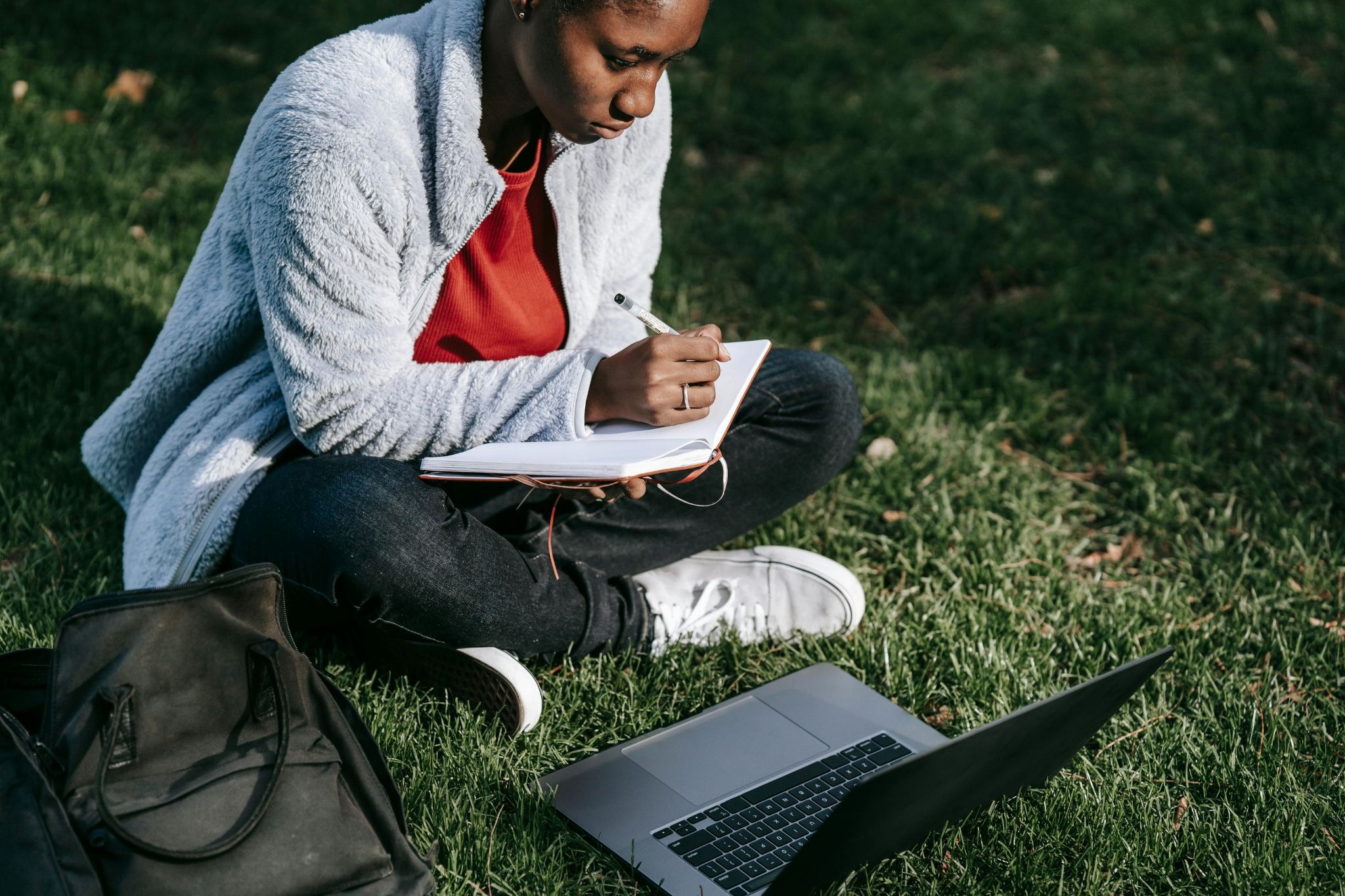
Image:
History Feels Real When You Can Walk Through It
Many children struggle with history in the classroom because it can seem distant and lifeless. Dates and names are hard to remember when they are only words on a page. Travel changes that. A visit to a castle, a battlefield, an old church, or a local museum gives history shape and emotion. Children can imagine what life was like for the people who once lived there. They can notice the size of old doorways, the tools people used, the clothes they wore, and the stories that surrounded daily life. Even small towns have their own past, and children often respond strongly when they hear legends, family stories, or local traditions. Parents do not need to deliver long lectures. A few simple questions are enough: Who built this? Why was it important? How did people live without the things we use every day? When history is connected to place, it becomes easier to remember. More than that, it becomes human.
Travel Teaches Independence and Better Judgment
Vacations also help children grow in ways that are not always measured by grades. They learn how to adapt when plans change, how to be patient during delays, and how to make decisions in unfamiliar situations. A teenager who compares tour options, checks opening hours, or looks up places to visit is building research skills without even realizing it. These moments often lead to conversations about online information. Not every polished website is trustworthy, and not every review is honest. Learning how to compare sources, spot exaggeration, and read student writing service reviews critically becomes part of a larger lesson about digital literacy and smart decision-making. In this sense, travel helps children become more confident, more careful, and more capable in the real world.
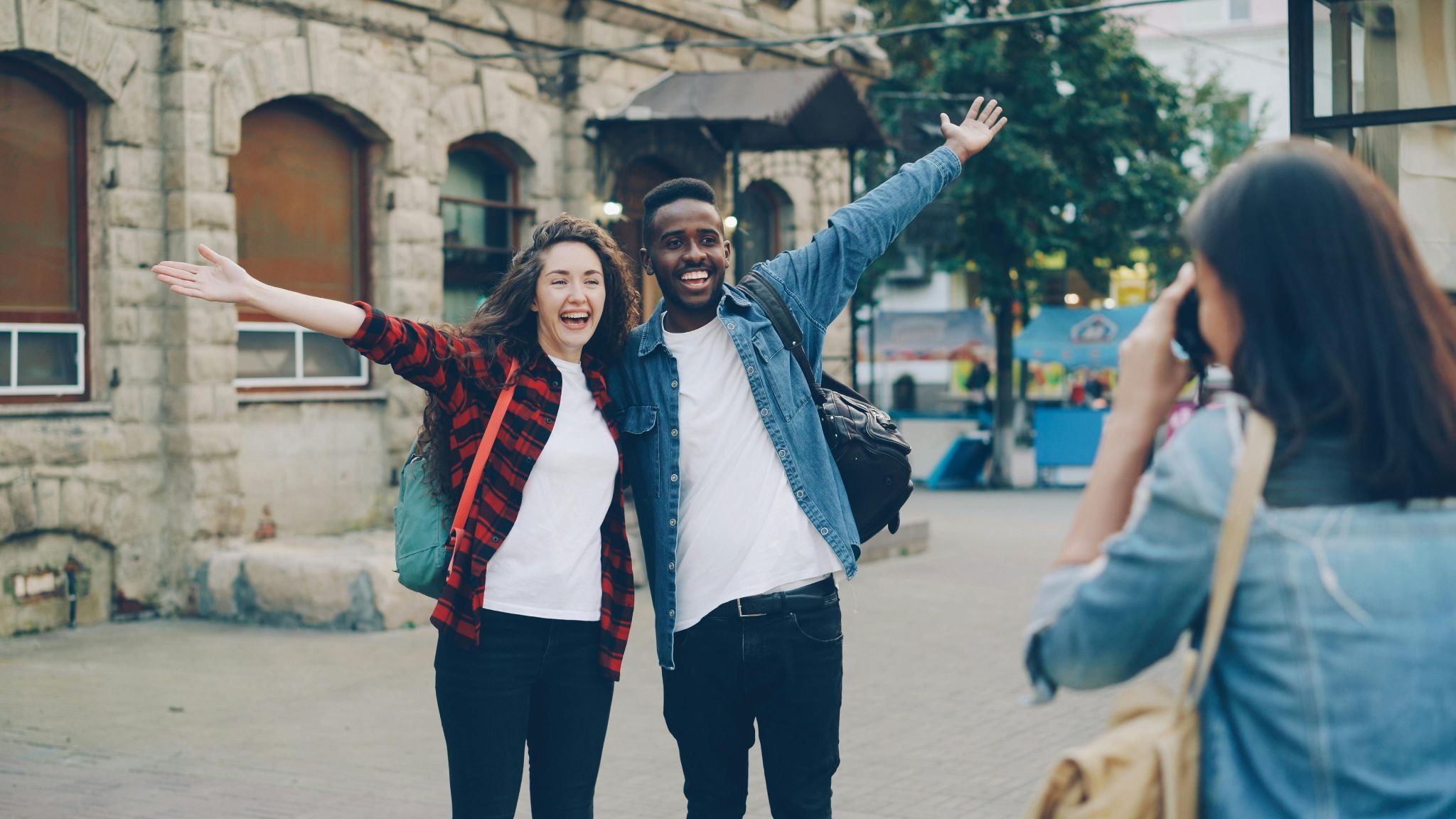
Image:
Language and Culture Are Easier to Understand in Context
Few things build curiosity faster than hearing a different language spoken all around you. Even if a family travels only within their own country, regional accents, customs, and traditions can still open a child’s eyes. When children hear new words in context, they are more likely to remember them. A phrase learned while buying bread at a local bakery has more meaning than one copied from a classroom board. The same is true for culture. Children begin to notice that people may greet each other differently, eat at different times, or celebrate familiar holidays in unexpected ways. These observations teach flexibility and respect. They show children that their own habits are not the only way to live. This can be especially valuable in a world where quick judgments are easy to make. Travel slows that process down. It invites children to observe before they assume. Over time, that builds empathy, one of the most important life skills any child can develop.
Nature Offers Lessons No Screen Can Replace
Family vacations in natural settings can be especially rich in learning opportunities. A forest walk can become a lesson in ecosystems. A day at the beach can lead to questions about tides, shells, weather, and pollution. Watching stars in a place far from city lights can inspire interest in astronomy. These experiences matter because they engage the senses. Children remember the smell of pine trees, the feel of cold river water, or the sound of birds at sunrise. Those memories stay vivid in a way that diagrams often do not. Nature also teaches patience and attention. A child waiting quietly to spot an animal learns to observe carefully. A child helping set up a tent learns problem-solving and teamwork. Just as importantly, time outdoors often reduces stress for both children and parents. With fewer distractions, families talk more, notice more, and connect more. That emotional connection strengthens learning because children feel safe, present, and open to discovery.
Small Family Moments Can Become Big Lessons
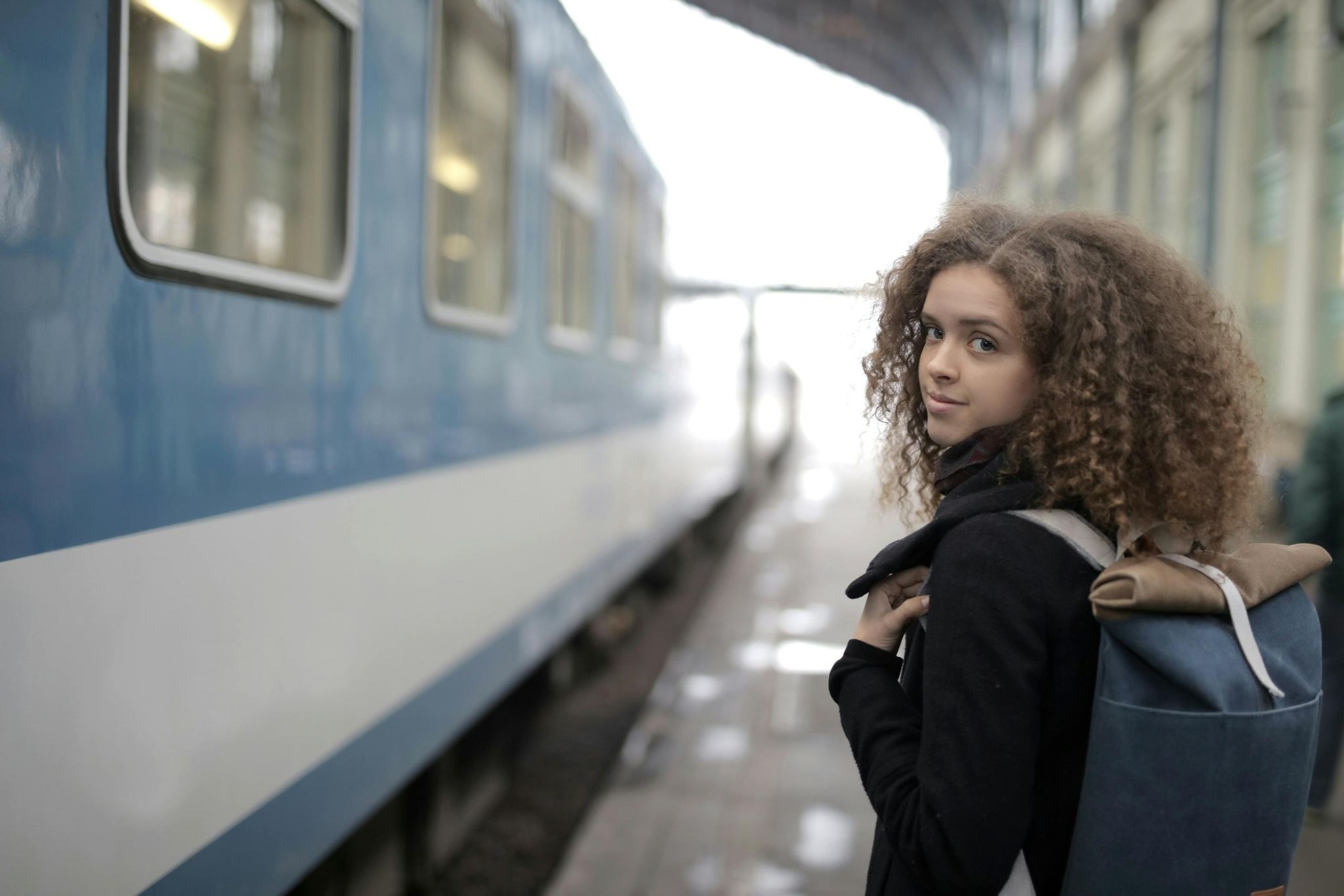
Not every educational travel moment comes from museums, landmarks, or organized activities. Some of the best lessons appear in ordinary situations. A child helping pack a suitcase learns planning and responsibility. Choosing what to bring also teaches priorities. Sitting together at a station with snacks and a timetable can become a lesson in time management. Keeping track of spending money can teach budgeting. Trying unfamiliar food can encourage openness and courage. Even getting lost for a few minutes, then finding the right way, can help children see that mistakes are not disasters. They are part of learning. These moments matter because they show children that learning is not limited to school hours or school buildings. It is part of everyday life. When parents point this out gently, children begin to notice it too. They start asking more questions. They become active participants instead of passive observers. That shift in mindset may be the most valuable lesson of all, because it teaches children how to keep learning wherever they go.
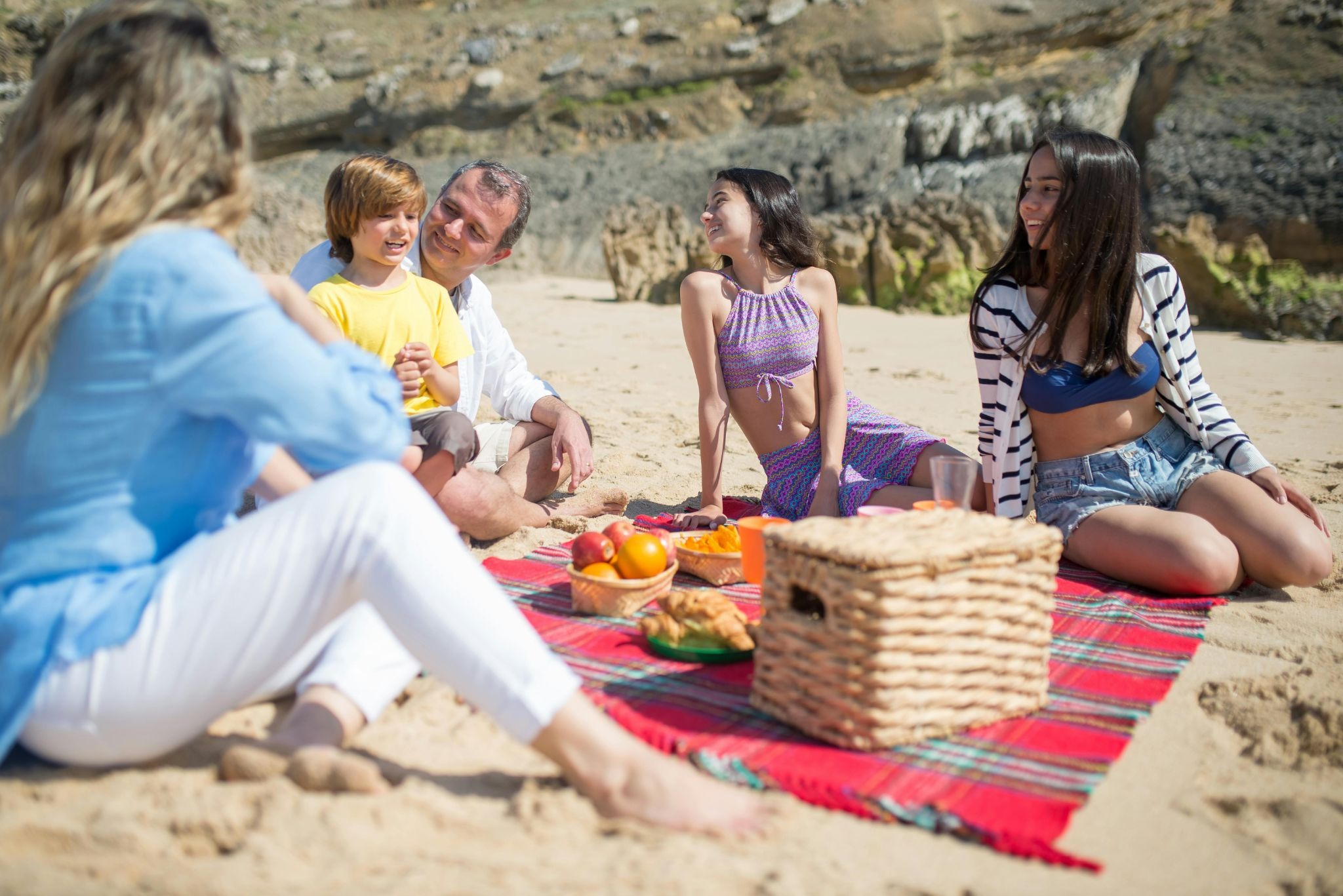
Image:
Conclusion
Family vacations are not just pauses between school terms. They can be rich, meaningful spaces where children learn in ways that feel alive and personal. Through travel, they practice observation, communication, independence, and critical thinking. They connect history with places, language with people, and science with the natural world around them. Just as importantly, they learn through relationships, through shared discoveries, and through the small daily moments that make a trip memorable. Parents do not need to recreate school on holiday to make travel educational. Curiosity does the work when children are given the chance to explore, ask, and participate. In that sense, the best family vacations do more than entertain. They help children see the world as a classroom without walls, where every journey offers a new chance to grow.


Ashley Pugh ;
Ashley Pugh is one of the Co-Founders of Familydaysout.com and has been committed to writing family related content since 2008. There isn't much about family attractions that Ashley doesn't know, after visiting hundreds of them worldwide over the last 20 years.
Leave a comment