











Imagine studying for your exams in the morning and exploring a historic city in the afternoon. Or attending online classes from a quiet café near the beach. Sounds exciting, right? The idea of mixing travel and studies is similar to balancing two important ingredients in a recipe. When done well, the result can be incredibly rewarding.
However, combining travel and education also requires planning, discipline, and smart decision-making. Without the right approach, traveling could easily distract you from your academic goals. In this article, we will explore practical tips to help students travel while continuing their studies successfully.
Why Combining Travel and Studies Is Becoming Popular
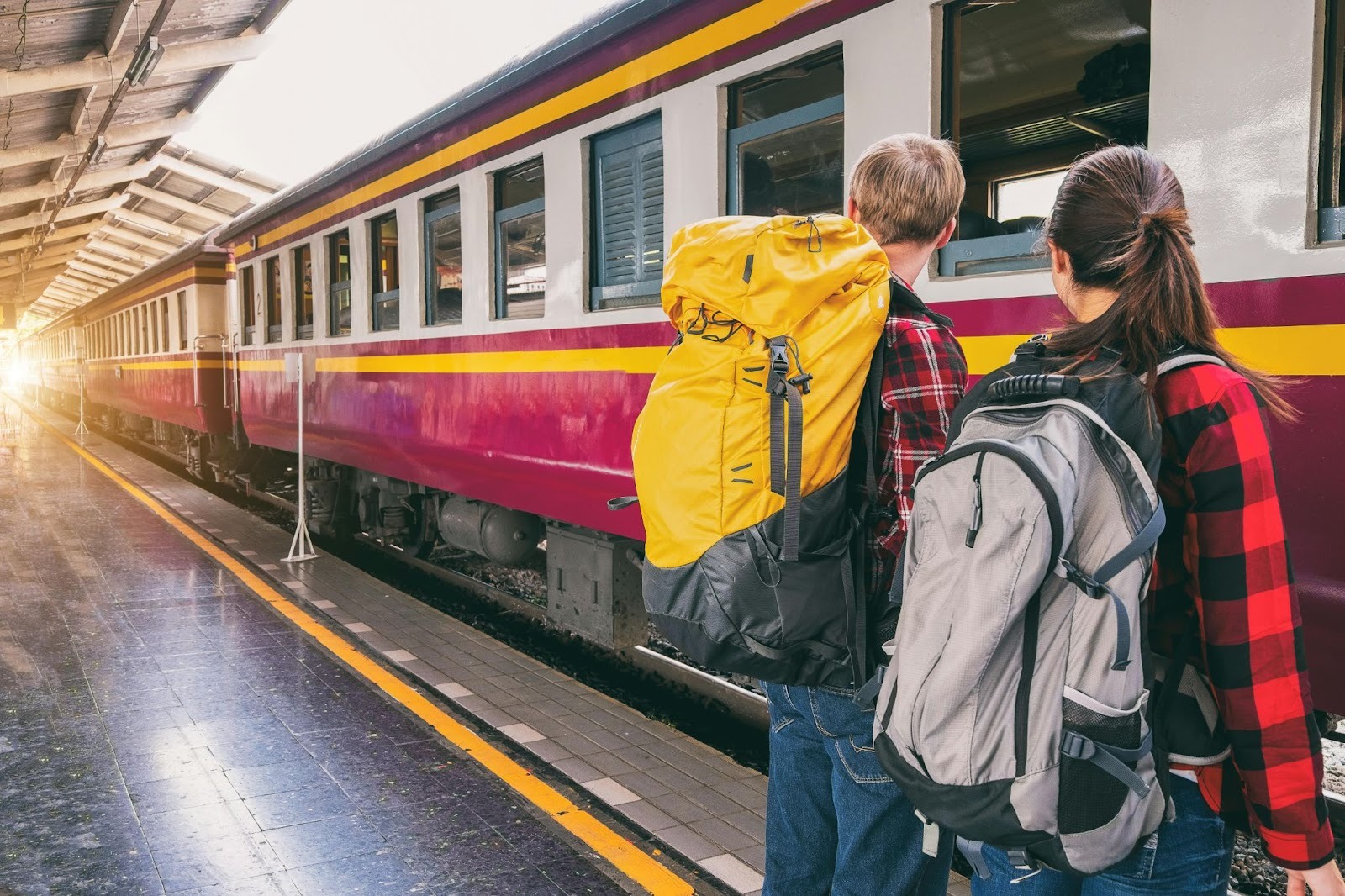
Over the past decade, education has changed dramatically. Online courses, hybrid programs, and digital tools have made it easier for students to study from almost anywhere. As a result, more students are taking advantage of these opportunities to travel while continuing their education.
One major reason is flexibility. Many universities now offer recorded lectures, online assignments, and digital exams. This means students can manage their schedules more independently. Instead of sitting in a classroom every day, they can learn from a laptop anywhere in the world.

Image:
Another reason is personal growth. Traveling exposes students to new cultures, languages, and perspectives. These experiences can improve creativity, communication skills, and global awareness. In many ways, travel becomes an extension of education itself.
Think of travel as a living classroom. Instead of only reading about history, you can visit ancient landmarks. Instead of studying foreign cultures in books, you can experience them in real life. These experiences make learning more meaningful and memorable.
However, popularity does not mean it is easy. Students must still meet deadlines, attend classes, and prepare for exams. This balance becomes even more difficult when facing high-stakes projects like a final thesis. To stay on track without cutting their journey short, many students rely on https://edubirdie.com/dissertation-writing-services to handle the heavy research and formatting. That is why planning and knowing when to delegate play a critical role in a successful travel-study lifestyle.
Planning Your Travel Without Affecting Your Studies
Successful student travelers know one important rule: planning is everything. Without a clear plan, travel can quickly become stressful and chaotic.
The first step is understanding your academic schedule. Look at your semester calendar and identify busy periods such as exams, project deadlines, and group presentations. These are not the best times to travel. Instead, choose quieter weeks when your workload is lighter.

Image:
Next, create a study routine that works while traveling. For example, some students prefer studying early in the morning before starting their daily adventures. Others dedicate evenings to reviewing lecture materials. The key is consistency.
Budget planning is equally important. Traveling as a student does not need to be expensive, but you should always estimate costs such as accommodation, transportation, internet access, and food. Many students use budgeting apps to track their spending while traveling.
Another useful strategy is choosing destinations with reliable internet connections. Since most learning activities happen online, stable internet is essential. A beautiful destination will not help much if you cannot attend your online lectures.
Planning ahead reduces stress and allows you to enjoy both your studies and your travel experience.
Best Travel Options for Students
Not all types of travel are suitable for students who are studying at the same time. Some travel styles work much better with academic responsibilities.
Short Educational Trips
Short trips are one of the easiest ways to combine travel and studies. These trips usually last from a few days to a week and can be planned around weekends or academic breaks.
For example, a student studying architecture might visit famous buildings in another city. A history student might explore museums or historical sites. These trips make learning more practical and exciting.
Short trips are also easier to manage because they require less planning and lower budgets.
Remote Study and Digital Nomad Lifestyle
Some students take a more adventurous approach by studying remotely while moving between different locations. This lifestyle is sometimes called the digital nomad lifestyle.
Students who choose this path often stay in one place for several weeks or months while attending online classes. They might study from coworking spaces, libraries, or quiet cafés.
However, this lifestyle requires strong time management skills. Without discipline, it can be easy to focus too much on exploring and not enough on studying.
The best strategy is to treat studying like a regular job with fixed hours each day.
Essential Time Management Tips for Traveling Students
Balancing travel and education is like walking on a tightrope. If you lean too much in one direction, the balance disappears. Time management is the tool that keeps everything stable.
Start by creating a weekly schedule. Include your lectures, study sessions, assignment deadlines, and travel activities. When everything is written down, it becomes easier to see how your time is distributed.
Another helpful technique is the Pomodoro method. This method involves studying for 25 minutes and then taking a short 5-minute break. After four study sessions, you take a longer break. This approach can increase concentration and reduce fatigue.
It is also important to avoid procrastination. When traveling, distractions are everywhere—beautiful views, new friends, exciting activities. While these experiences are valuable, your academic responsibilities should remain a priority.
Ask yourself a simple question: Will I enjoy this trip if my assignments are unfinished and deadlines are missed? Probably not.
Completing your academic work first allows you to travel with peace of mind.
Tools and Resources That Make Studying While Traveling Easier
Technology has made it much easier for students to study while exploring the world. With the right tools, you can stay organized and productive wherever you go.
Cloud storage platforms such as Google Drive or Dropbox allow students to access their documents from any device. This means your study materials are always available, even if you switch laptops or locations.
Task management apps like Notion, Trello, or Todoist can help you track assignments, deadlines, and study goals. These tools act like a digital planner that travels with you.
Noise-canceling headphones are another useful investment. When studying in airports, hostels, or cafés, background noise can be distracting. Good headphones create a focused learning environment almost anywhere.
Students should also consider portable Wi-Fi devices or local SIM cards to ensure reliable internet access. Staying connected is essential for online classes and submitting assignments on time.
Finally, do not forget about digital libraries and online academic resources. Many universities provide access to journals, e-books, and research databases that you can use from anywhere in the world.
With the right digital tools, your backpack can carry an entire classroom.
Conclusion
Combining travel and studies is not only possible—it can be one of the most enriching experiences of your student life. By planning carefully, managing your time wisely, and using the right tools, you can continue your education while exploring new places and cultures. 🌎
Travel turns the world into a classroom. Every city becomes a lesson, every culture a new chapter, and every journey an opportunity to grow. Students who learn to balance academics with adventure often develop valuable life skills such as independence, adaptability, and global awareness.
Of course, the key is balance. Your studies should remain a priority, while travel serves as an exciting complement to your education.
So why not open your laptop in a new city, attend your online lecture, and then step outside to discover the world? With the right mindset and preparation, studying and traveling can go hand in hand—creating memories and knowledge that last a lifetime. ✈️📖🌍




Ashley Pugh ;
Ashley Pugh is one of the Co-Founders of Familydaysout.com and has been committed to writing family related content since 2008. There isn't much about family attractions that Ashley doesn't know, after visiting hundreds of them worldwide over the last 20 years.
Leave a comment