











Yet communities in many cities have faced painful situations in which authority figures misused that trust. Over time, these cases have made many families more aware of how institutions supervise leaders, respond to complaints, and protect children when concerns arise.
Location can shape how these situations are handled. Reporting procedures, civil laws, and accountability systems vary by state. A case involving a religious institution in one region may follow a different path than a similar case in another region. For parents trying to understand their options, those regional differences matter.
As families move, travel, and participate in programs across different communities, it becomes more important to understand how trusted institutions operate and what accountability looks like in different parts of the country. That awareness can help parents better protect their children while staying informed about the responsibilities these organizations carry.

Understanding How Authority Works in Trusted Institutions

Children are often taught to respect adults who hold leadership roles in their communities. Coaches, teachers, youth leaders, and religious mentors are often seen as role models who help children build confidence, skills, and character. In many settings, these adults become familiar figures who interact with families regularly and are trusted to supervise young people.
That structure exists for a reason. Programs serving children need leadership, rules, and oversight in order to function safely. Adults may be responsible for organizing events, teaching lessons, leading activities, or mentoring children in educational and spiritual settings. Because of those roles, children are encouraged to follow their guidance.
At the same time, trust in authority can make it harder for children to question behavior that feels uncomfortable. Young people may assume adults in leadership positions always act in their best interests. Parents may feel reassured by an institution’s reputation, long history, or visible role in the community.
When supervision is strong and accountability is clear, these environments can offer meaningful benefits. Background checks, supervision policies, and clear reporting procedures help support safer settings for children. Open communication between families and organizations further strengthens that protection.
Problems can arise when oversight is weak or when institutions fail to respond appropriately to concerns. The power imbalance between adults and children can make it difficult for a child to speak up, especially when the person involved is someone they have been taught to respect. Understanding how authority functions in trusted spaces helps parents recognize both the value and the risks that can exist within them.
Why Location Matters When Families Seek Accountability

When families face misconduct in a trusted institution, one of the first realities they encounter is that legal processes are not uniform across jurisdictions. Each state has its own rules for reporting, civil claims, and filing deadlines. Those differences can shape how families respond and what forms of support may be available.
In some places, changes in the law have expanded survivors' ability to come forward years later. In others, time limits and legal requirements may be more restrictive. Because of that, families often need guidance that reflects the state where the abuse occurred and the institution operated.
Geography matters in another way, too. Families in major cities, suburbs, and rural communities may all participate in faith-based programs. Yet, the systems surrounding reporting and accountability can look very different from one region to another. A case in the Midwest may move through a different legal process than one on either coast.
For families dealing with harm connected to religious institutions in Illinois, local legal guidance can be especially important. Understanding state-specific reporting channels, civil remedies, and survivor protections can make navigating a difficult situation easier. In those circumstances, speaking with an Illinois clergy abuse lawyer may help families better understand what options are available and what steps may follow after a report is made.
Recognizing Warning Signs When Something Isn’t Right
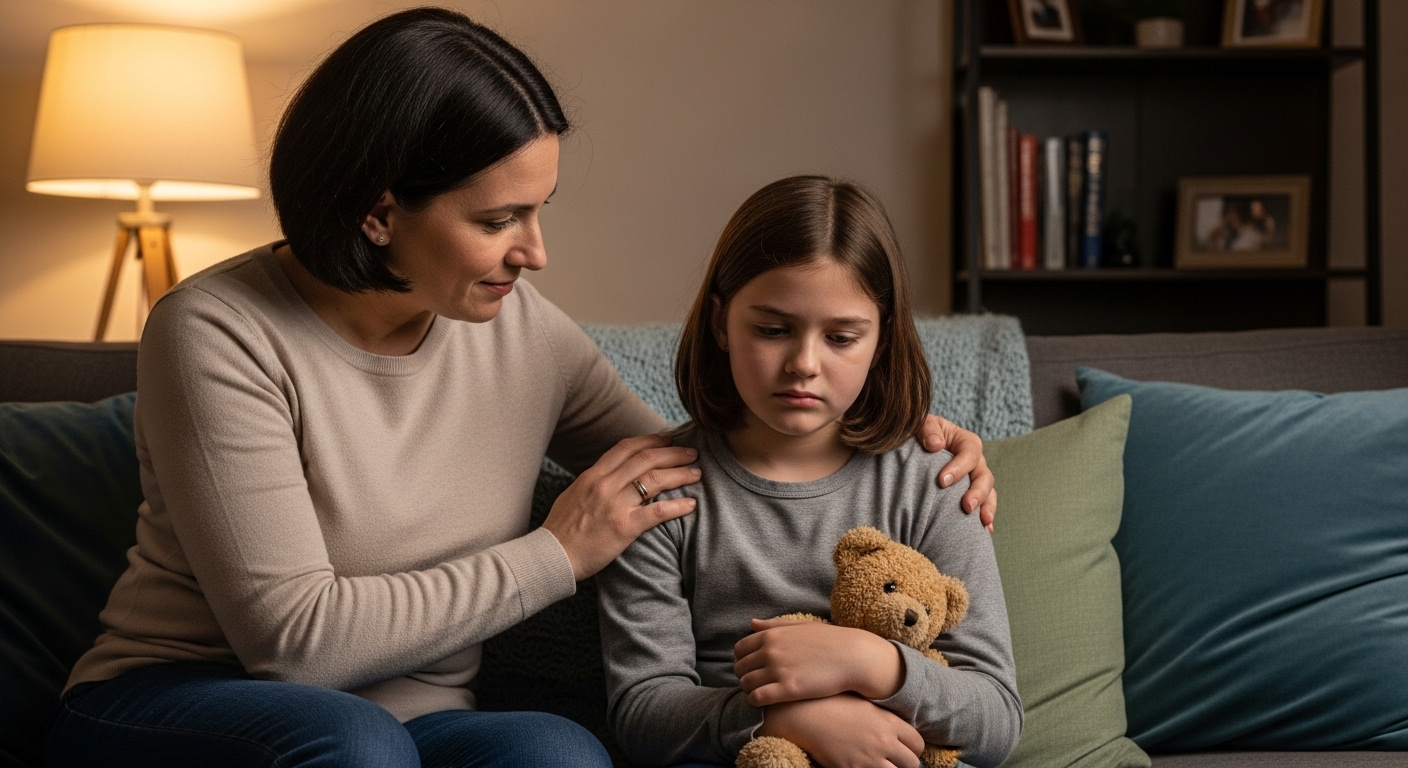
Parents often notice changes in their children before anyone else does. A shift in behavior, mood, or comfort level around a certain place or person can sometimes be an early sign that something feels wrong. These changes may be sudden, or they may appear gradually over time.
One of the most common signs is resistance tied to a specific activity or setting. A child who once enjoyed attending a youth group, religious program, or community gathering may suddenly avoid it or seem anxious when it comes up. Younger children may not be able to explain why they feel uneasy, but the change itself can be important.
Other signs may show up emotionally. Some children become quiet, withdrawn, irritable, or fearful. Others may have trouble sleeping, struggle at school, or show unusual distress before or after certain activities. None of these signs automatically points to abuse, but they can indicate that a child is carrying stress they do not know how to describe.
Children may also hesitate to speak openly when the person involved is someone they were taught to trust. They may fear getting in trouble, hurting their family, or disrupting a community they care about. In some cases, they may not yet understand that what happened was inappropriate.
That is why calm, consistent communication matters so much. Regular conversations about boundaries, respect, and safe behavior help children feel more comfortable sharing concerns. When parents listen without panic or judgment, children are more likely to speak honestly about experiences that may have confused or frightened them.
The Role of Community Awareness and Institutional Responsibility
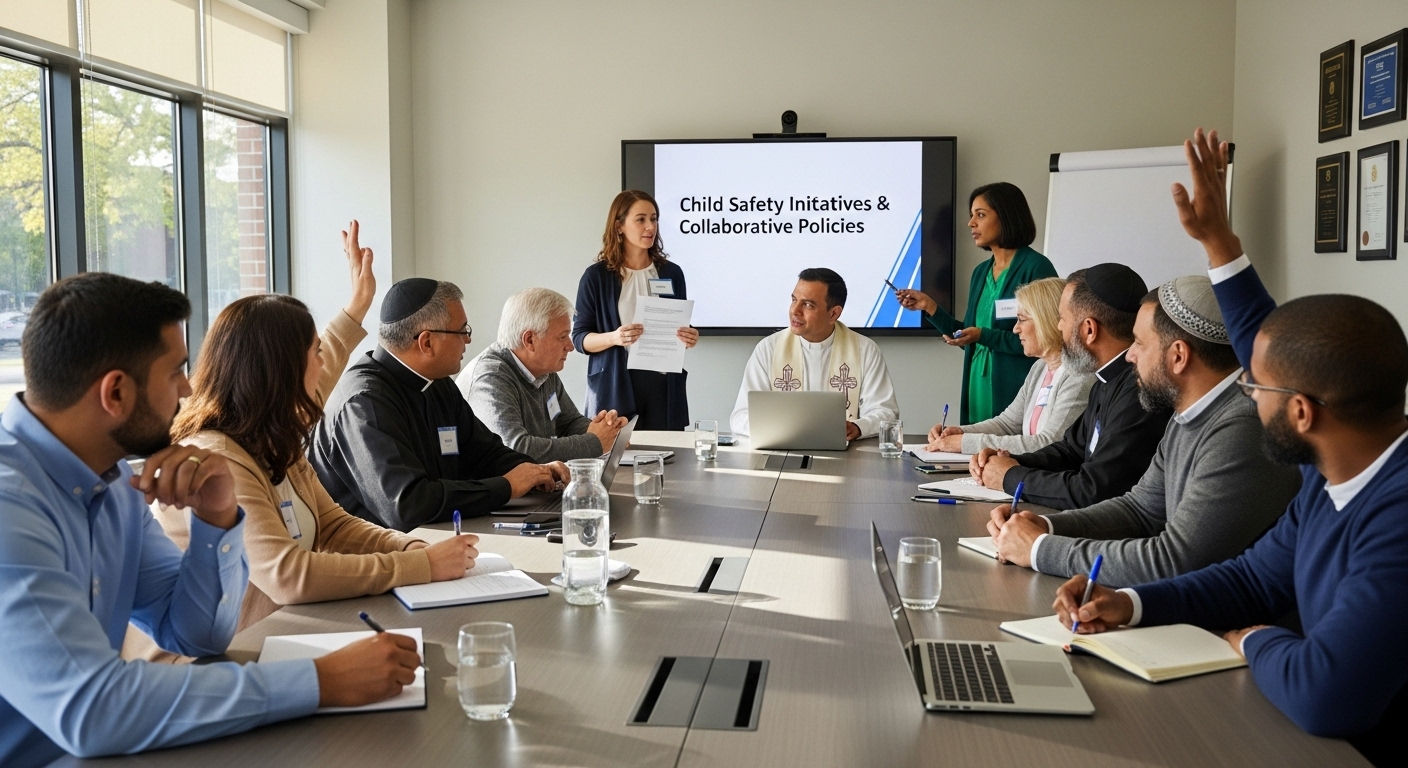
Organizations that serve children often become central parts of community life. Faith groups, youth programs, and educational settings can offer structure, mentorship, and meaningful relationships. Because these institutions are trusted with children’s well-being, they also have a responsibility to create environments where safety is actively protected.
That responsibility begins with clear safeguards. Background checks, training requirements, supervision rules, and accessible reporting procedures can all reduce risk and support accountability. When these measures are taken seriously, they help create a safer environment for children and greater confidence for parents.
Transparency also matters. Families are better able to make informed decisions when institutions clearly explain their policies, expectations for leaders, and processes for responding to concerns. Openness helps parents stay engaged and makes it easier to identify when an organization is treating child safety as a real priority.
Community awareness has grown as more people have learned about the importance of prevention and accountability. Parents looking for reliable information can review child safety statistics and prevention research to understand better the broader issues surrounding abuse, reporting, and institutional responsibility.
Keeping children safe requires effort from both institutions and the families they serve. Organizations must establish meaningful protections and respond appropriately when concerns are raised. Parents and community members also play an important role by asking questions, staying involved, and supporting standards that prioritize children’s well-being.
Steps Families Can Take When Trust Is Broken

Learning that a trusted environment may have harmed a child can be overwhelming. Parents may feel shock, anger, grief, or uncertainty about what to do first. In those moments, staying focused on the child’s immediate well-being can help families move forward more clearly.
A strong first step is listening calmly and supportively. When children share painful or confusing experiences, they need to know they are being heard. Giving them room to speak in their own words, without pressure or leading questions, can help preserve trust and make them feel safer.
It can also help to document key details while they are still fresh. Dates, locations, names, and descriptions of what occurred may become important later. Saving messages, emails, or other communications may also be useful if the matter is formally reported or reviewed.
Families may need to report concerns through internal channels, law enforcement, child protection authorities, or other appropriate systems, depending on the circumstances. Because these procedures vary by location, understanding local reporting processes can make a meaningful difference in how families proceed.
Emotional support is important too. Counselors, therapists, and child advocates can help children and parents process what has happened in a safe, age-appropriate way. Professional support can also help families respond thoughtfully during an emotionally difficult time.
Supporting Children and Rebuilding Trust After Difficult Experiences

When a child is harmed in a space that was supposed to feel safe, the emotional impact can last well beyond the initial experience. Children may struggle with fear, confusion, shame, or a loss of trust in adults. Families often find that recovery takes time, patience, and steady support.
One of the most important things parents can do is make sure the child feels believed. Children who speak up need reassurance that their feelings matter and that the harm was not their fault. Calm conversations and emotional validation can help restore a sense of security at home.
Professional counseling can also be valuable. Trauma-informed therapists and child counselors can help young people process difficult experiences in developmentally appropriate ways. With support, children can begin to rebuild confidence, express emotions more clearly, and regain a sense of stability.
Families may also benefit from reconnecting with healthy, positive experiences together. Shared outings, supportive routines, and familiar activities can help children feel grounded again. Parents looking for ideas that encourage connection and comfort can explore family activity planning and parenting guidance as they work to create new positive memories.
Recovery looks different for every child. What matters most is consistent support, patient listening, and a home environment where children feel safe, respected, and understood.
Awareness Helps Families Protect What Matters Most

Parents want the places their children spend time in to be safe, supportive, and trustworthy. Youth programs, community groups, and faith-based settings can play an important role in a child’s growth, but that trust must be matched by clear accountability and responsible leadership.
Awareness remains one of the most effective tools families have. Understanding how authority works, noticing changes in a child’s behavior, and staying engaged with the institutions that serve young people can help parents respond more quickly when something feels wrong.
Communities continue to improve policies, strengthen oversight, and refine reporting systems in response to past failures. Those efforts matter, but parents also play a vital role in protecting children by staying informed and asking thoughtful questions about the spaces their families rely on.
When families, institutions, and communities take that responsibility seriously, trusted environments are more likely to remain what they should be: places where children feel safe, supported, and protected.



Ashley Pugh ;
Ashley Pugh is one of the Co-Founders of Familydaysout.com and has been committed to writing family related content since 2008. There isn't much about family attractions that Ashley doesn't know, after visiting hundreds of them worldwide over the last 20 years.
Leave a comment