











Kids with ADHD experience learning as a constant effort to manage attention, impulses, and focus, even during simple tasks. Therefore, they often need a clear structure, steady support, and tasks broken into small steps to succeed. With the right guidance at home and school, they can build skills and grow with confidence.
Difficulty sustaining attention on tasks for extended periods
Many parents notice that focus fades fast during schoolwork. This pattern shapes how kids with ADHD experience learning in daily lessons, especially during reading, writing, or math practice that lasts more than a few minutes.
Children with ADHD often start a task with effort but lose track of steps soon after. Their minds shift to sounds, thoughts, or movement around them. As a result, they miss details, skip questions, or leave work unfinished.
In addition, long instructions can overwhelm them. They may hear the first part but not the rest. Therefore, they seem forgetful or careless, even though they try to pay attention.
Brain development also plays a role. Younger children naturally have shorter attention spans, and ADHD can make this limit more noticeable. However, short tasks, clear goals, and planned breaks can help them stay with a task a bit longer.
Over time, steady support at home and school can improve task focus.
Challenges in controlling impulsive behavior during learning activities
Children with ADHD often act before they think. In class, they may call out answers, leave their seat, or interrupt others. These actions do not reflect a lack of effort. Instead, their brain has trouble pausing and weighing choices.
Impulsive behavior can disrupt focus on school tasks. A child may rush through work and miss simple details. As a result, grades may not match their true ability. In addition, frequent redirection from a teacher can lead to frustration.
Peer relationships also suffer. Classmates may view sudden comments or actions as rude. Therefore, the child may feel left out or misunderstood.
Impulsivity affects more than behavior. It can limit self-control during tests, group work, and quiet study time. However, clear routines, direct feedback, and structured support help many children build better control over time.
Need for clear expectations and consistent routines
Children with ADHD do best with clear and simple expectations. They need to know what to do, how to do it, and what happens next. Vague directions often lead to confusion or delay.
Predictable routines give their day structure. A set time for waking up, schoolwork, meals, play, and bedtime helps them prepare for each task. As a result, they waste less energy on guesswork and more on the task itself.
In addition, clear house rules reduce stress. If adults state rules in simple terms and repeat them often, children understand limits better. Consistent follow-through also builds trust.
Small steps work better than long lists. For example, a parent may post a short morning checklist near the door. Therefore, the child can move from one task to the next with less frustration.
Steady routines and clear limits do not remove all challenges. However, they give children with ADHD a stable base for learning and daily life.
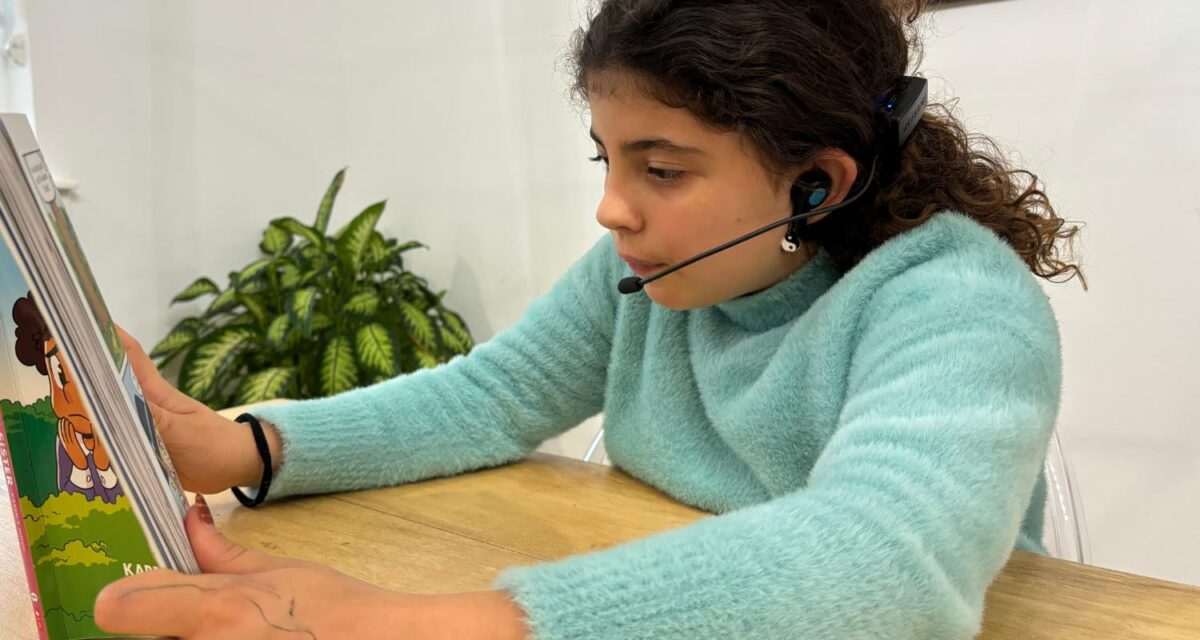
Benefits of emotional support and understanding from parents and teachers
Children with ADHD often struggle with strong emotions and quick mood shifts. As a result, they may feel frustrated or ashamed in school. Parents and teachers who respond with patience and clear guidance help reduce this stress.
Support at home and school also builds trust. A child who feels understood is more likely to ask for help and try again after a mistake. In addition, calm feedback teaches the child how to pause, think, and choose better actions.
Research shows that emotional regulation affects school success and peer relationships. Therefore, adults who model steady behavior give children a clear example to follow. Consistent responses across home and school prevent mixed messages and confusion.
Parents who learn about ADHD better understand their child’s behavior. Teachers who share strategies with families create a stronger team. Together, they give the child steady support, which leads to better focus, higher confidence, and healthier social skills.

Importance of breaking tasks into smaller, manageable steps
Children with ADHD often feel overwhelmed by large assignments. A long worksheet or big project can seem too hard to start. As a result, they may delay or avoid the task.
Parents and teachers can divide work into small, clear steps. For example, instead of “clean your room,” they can say, “put toys in the bin,” then “place books on the shelf.” Each step feels possible, so the child can focus on one goal at a time.
Small steps also support attention and memory. A short list reduces confusion and helps the child know what to do next. In addition, clear steps make it easier to track progress and see success.
Frequent feedback after each step builds confidence. The child learns that effort leads to results. Over time, this approach helps them complete schoolwork and chores with less stress.

Conclusion
Kids with ADHD face real barriers in school, yet they also show clear strengths that adults can recognize. Parents who build strong relationships and clear routines give their child structure and trust.
In addition, close contact with teachers and simple classroom supports reduce stress and improve focus. With steady guidance and patience, children with ADHD can grow skills, gain confidence, and take part in school with more success.
This article is for informational purposes only and should not be considered medical or educational advice. Always consult a qualified healthcare professional or educational specialist for guidance tailored to your child’s needs.





Ashley Pugh ;
Ashley Pugh is one of the Co-Founders of Familydaysout.com and has been committed to writing family related content since 2008. There isn't much about family attractions that Ashley doesn't know, after visiting hundreds of them worldwide over the last 20 years.
Leave a comment