



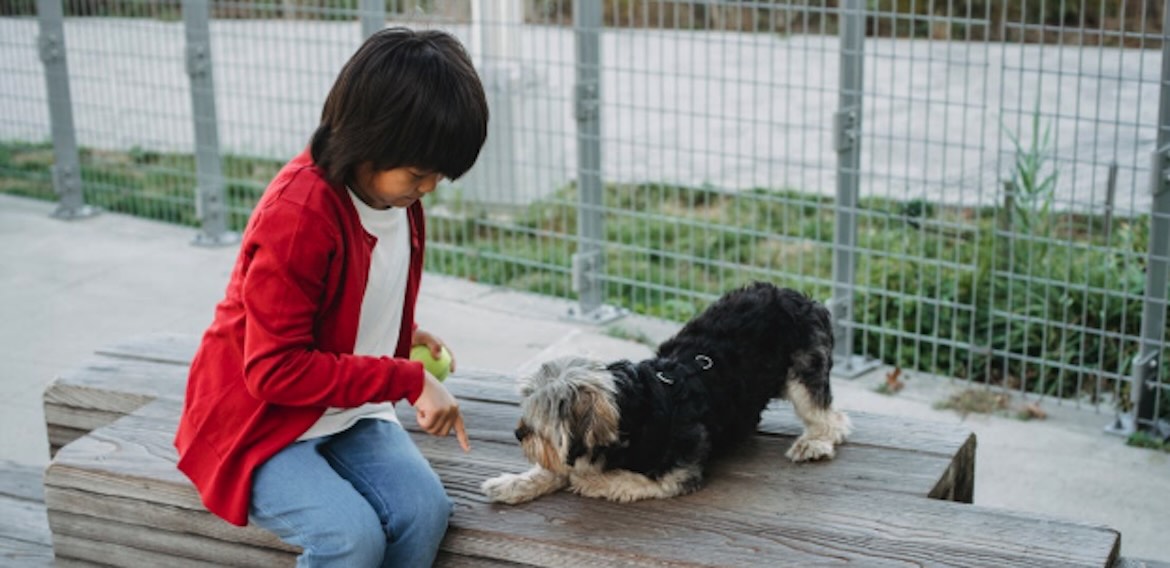







Or hang out with loved ones at a fun family gathering. They get to run around and just be themselves in a new space.
But things can feel different when there’s a dog in the home. You might worry if it’s your child’s first time being around one. But dogs aren’t bad. They just react to what’s happening around them. A child’s energy can make them react in certain ways that can lead to danger. Here are seven ways to keep your child safe around dogs.
1.Ask About the Dog Before You Visit
It’s easy to assume every dog is friendly. Especially when you’re heading to a familiar home. But every dog has its own personality. Some are playful. Some are shy. Others take time to warm up to new people. They might be especially wary around children.
Have a quick conversation with the host before the gathering. This can help ease worry. Ask how the dog usually reacts to kids. Ask about their triggers. Maybe they’re scared of loud noises. Or get defensive when there’s fast movement. Ask if the dog’s been around children before. This gives you a mental game plan before the day. It gives you a chance to set important ground rules with your child.
2.Let the Dog Approach First
Kids get excited around animals. They see a cuddly dog and want to run straight over. Maybe your child loves going to the zoo. So, they think all animals are there to be admired up close. That instinct is sweet. But it can overwhelm a dog who isn’t ready for that energy.
Teach your child to pause. Tell them to let the dog come to them. Show them how to stand still. Guide them to move slowly. Say, “Let’s see if the dog wants to say hi first.” A dog that feels in control is more likely to stay calm. This shift helps your child stay safe. It also gives the dog space to feel comfortable. The result? A gentler, more natural connection.
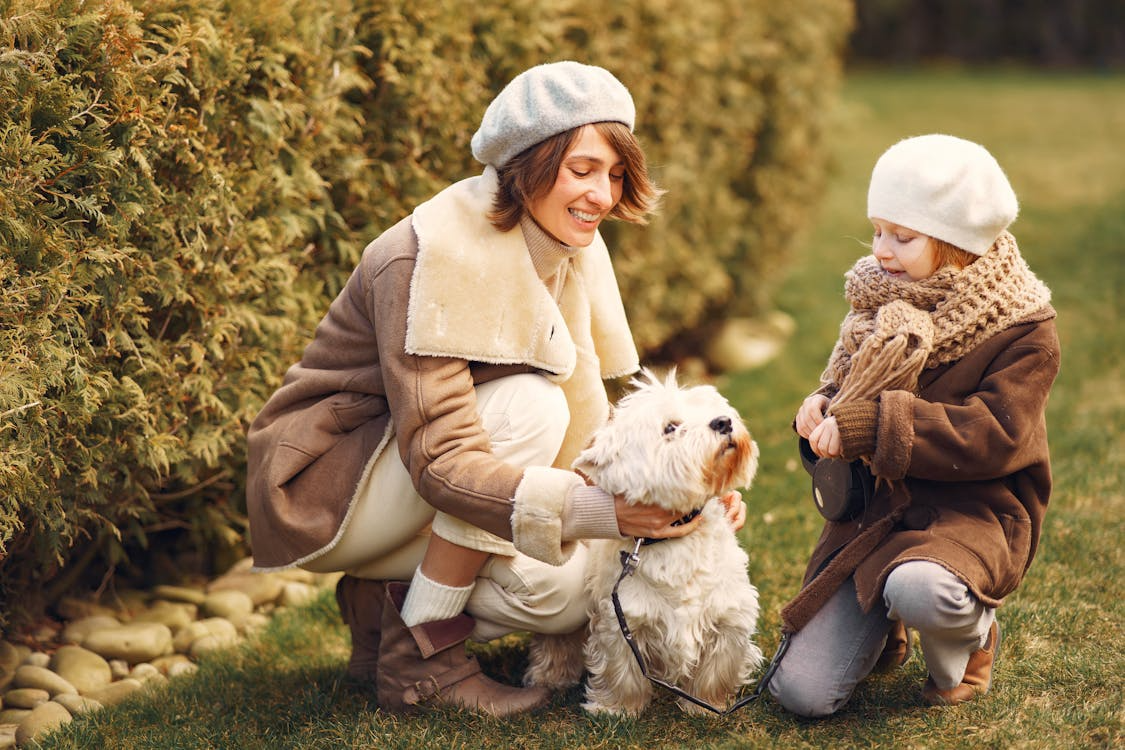
Photo courtesy of Pexels
3. Supervise Every Interaction
Even well-behaved dogs can react aggressively sometimes. Kids move fast. Dogs react just as fast. That’s why supervision matters every single time. Not just when something seems off.
Stay close enough to step in if needed. Watch how your child moves. Notice how the dog responds. If play gets too rough, gently guide things back to calm. You don’t have to hover nervously. Just stay present. Be aware of each movement. That watchfulness helps prevent bad situations.
4. Watch for Body Language
Dogs communicate all the time. They just don’t use words. So, learn how to read a dog’s body language. A calm dog has a relaxed body. Maybe a gently wagging tail. Those are good signs. That means the dog feels comfortable. Other signals tell a different story. A stiff body. Ears pulled back. Growling or showing teeth. Backing away can mean the dog wants space.
Teach your child to notice these cues. When you read the signals early, you avoid pushing a dog past its limit. That helps your child build respectful habits around animals.
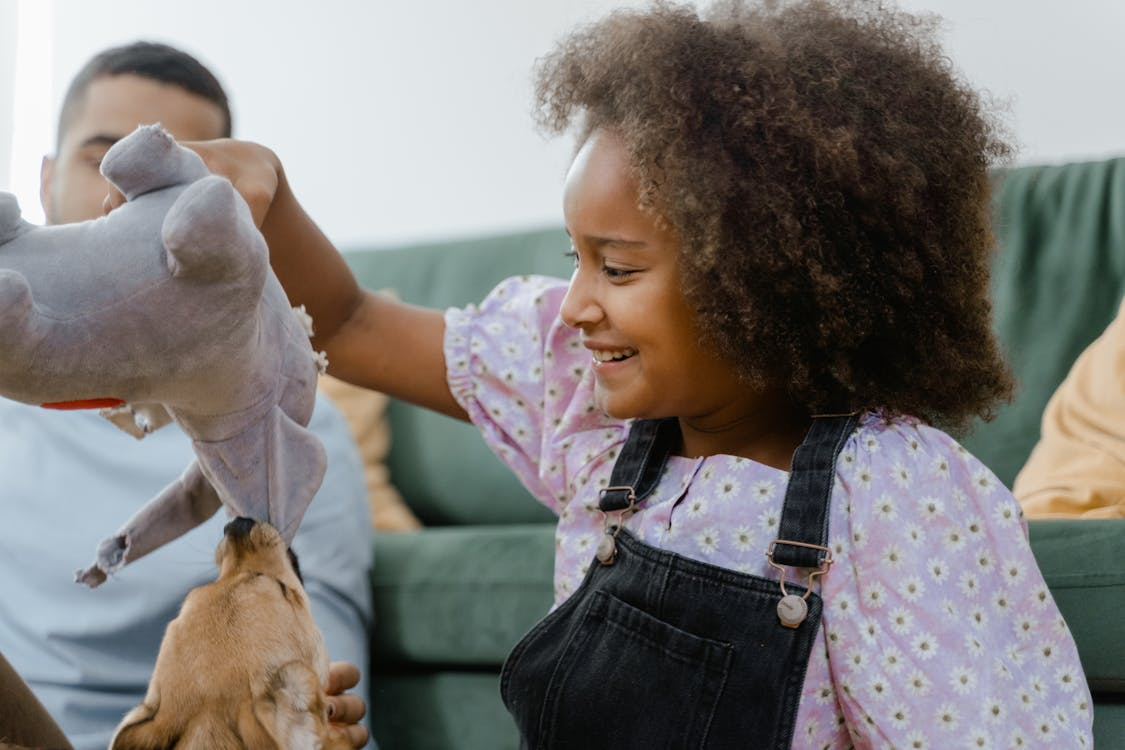
Photo courtesy of Pexels
5.Teach Kids Not to Grab Toys
Dog toys can look just like kid toys. Bright colors. Fun shapes. It’s easy for a child to reach for one without thinking. But for a dog, that toy might feel like something to protect.
Show your child which items belong to the dog. Make it clear they shouldn’t grab them. If they want to play, guide them to use toys that the owner says are okay to touch. This keeps playtime with the dog safe. It avoids confusion for the dog.
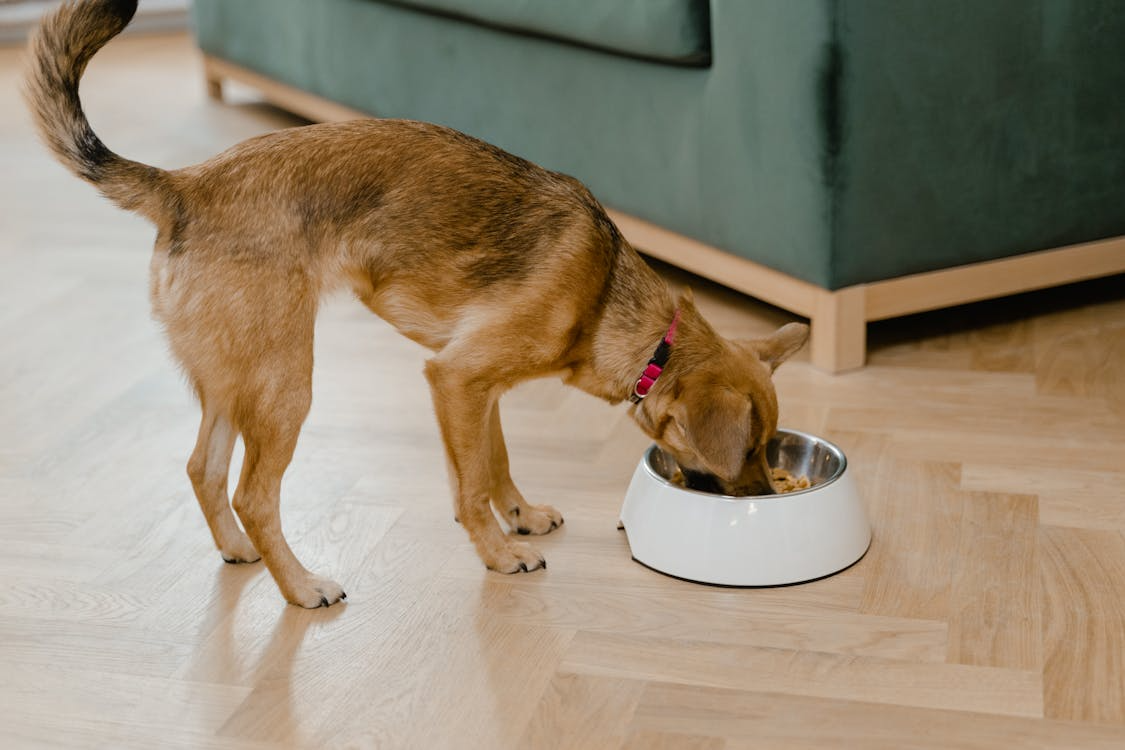
Photo courtesy of Pexels
6.Don’t Disturb the Dog While Eating
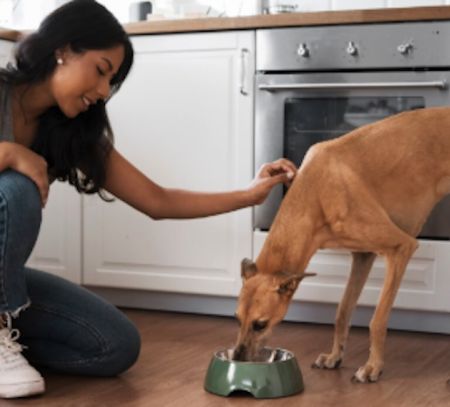
Mealtime is a delicate moment for most dogs. Teach your child not to bother them then. Doing so is actually one of the most common reasons why dogs bite. Food is something they naturally protect. This behavior is called food guarding. Even friendly dogs do it.
Keep kids away when a dog is eating. Create a clear rule before you even arrive. “When the dog eats, we give space.” Remind your child not to reach near the bowl during that time. This removes pressure from the dog. It lowers the risk of a sudden reaction.
7.Know Your Rights
No parent wants to think about something going wrong. But it’s better to be prepared. Accidents can still happen. Even with all the right steps. One moment, your child is petting a pup. The next, they’ve been bitten. Knowing what to do next can make that moment manageable.
It helps to know where to get legal help for children injured by dog bites, just in case. A lawyer guides you through what comes next. They’ll explain your options. They’ll handle the details you shouldn’t have to figure out alone. Having that support lets you focus on your child’s recovery first. It helps you move forward with confidence.
Conclusion
Time with friends and family should feel joyful. Not stressful. When there’s a dog around, it just calls for extra awareness. So, watch for signs of aggression. Explain simple safety rules to your child. Step in when needed. Help your child understand gentle behavior. These habits shape how the visit unfolds.
When you’re on guard with how your kids interact with dogs, the energy in the room feels steady. Never tense. You get to enjoy the moment instead of watching every move. Your child will learn how to be a kind, respectful little guest that every dog approves of.
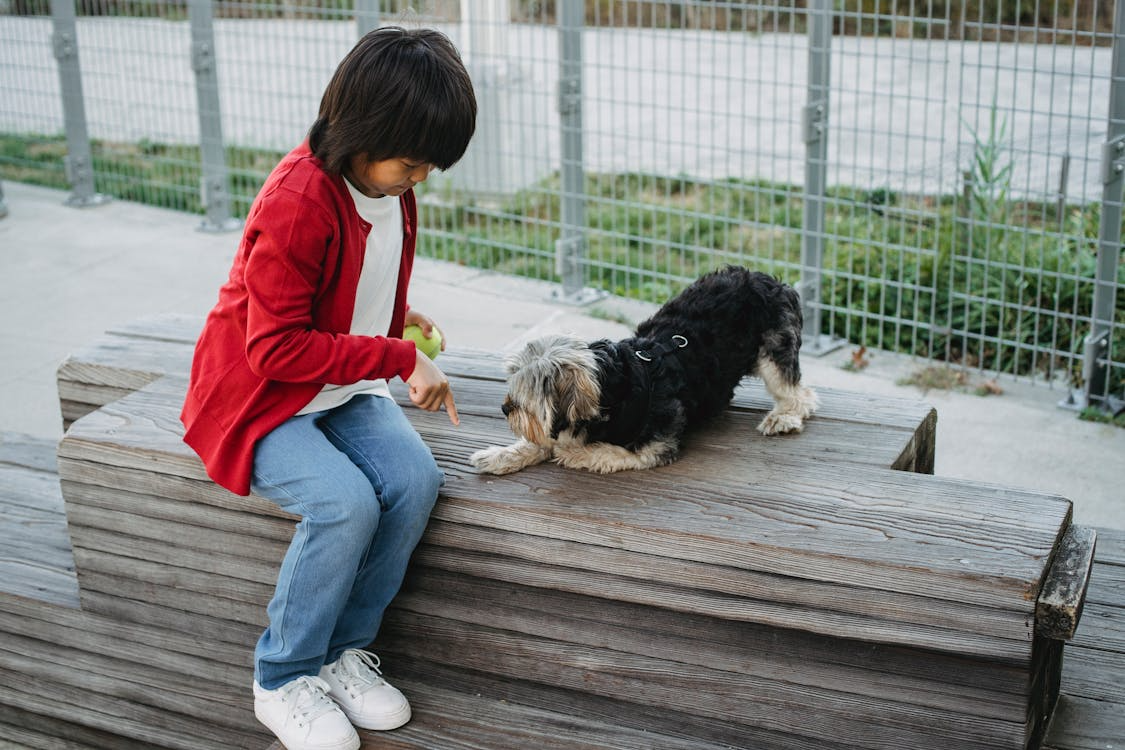
Photo courtesy of Pexels
Ashley Pugh ;
Ashley Pugh is one of the Co-Founders of Familydaysout.com and has been committed to writing family related content since 2008. There isn't much about family attractions that Ashley doesn't know, after visiting hundreds of them worldwide over the last 20 years.
Leave a comment