



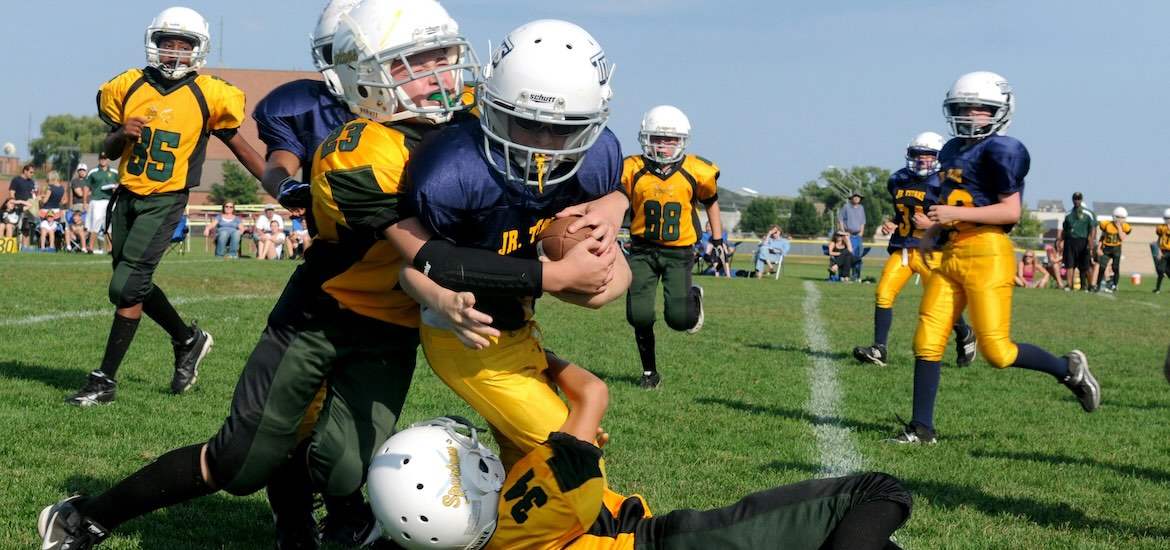







Why Sports Physicals Are Important
Before the season starts, it is smart to get a sports physical. This is a simple checkup that helps make sure your child’s body is ready for sports. The doctor listens to their heart, checks their lungs, and looks at their muscles and joints. It is quick, easy, and not scary. It shows you if your child is healthy enough to play without risk.
Sports physicals can also catch small issues early. Sometimes a child might have tight muscles, low stamina, or trouble breathing during activity. It is better to find this out now instead of during a game. Fixing small problems early keeps them from becoming big problems later. It gives both you and your child peace of mind before the season begins.
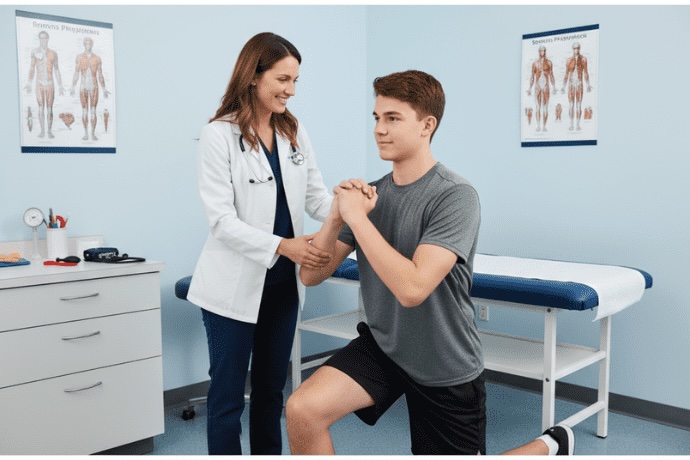
Preventive Health Checks Matter
Kids are full of energy, but their bodies are still growing. Preventive health checks help keep them strong and safe. These checkups look at how they are eating, how active they are, and how well they are staying hydrated. They help build good habits that support a healthy sports life. Small changes now can prevent bigger problems later.
Nutrition plays a huge role in keeping young athletes healthy. They need fruits, vegetables, protein, and whole grains to stay energized. They also need water all through the day, not just during practice. Staying hydrated keeps their muscles working well and their mind focused. Even simple things like a healthy snack before practice can make a big difference.
Building Fitness and Strength Safely
Fitness is not about how strong your child looks. Most people forget that. It is about how ready their body is to move, jump, and run. Fitness checks can show if they need to build more strength or flexibility. This helps prevent injuries like sprains and muscle strains. Even simple stretches or body-weight exercises at home can make their muscles and joints stronger.
Rest is just as important as fitness. Kids get excited about sports and want to practice all the time, but their bodies need breaks. Rest gives their muscles time to heal and grow. Tired muscles are more likely to get hurt. Make sure your child gets enough sleep and has calm days between practices. A well-rested child performs better and stays safer.

How a Family Doctor Can Help
A family medicine doctor can be a great partner during the sports season. If you don't have one already, get one on board. Doctors like the team at Baker DPC work closely with families to keep kids healthy and strong. They understand how children’s bodies grow and what they need to stay safe. They can do sports physicals, fitness checks, and treat injuries if they happen. They also give guidance on building safe routines around sports.
A family doctor looks at the whole picture, not just the sport. They can talk to your child in a kind and friendly way, which makes visits feel safe. They can also answer your questions and worries as a parent. Having a trusted doctor on your side makes the whole experience less stressful. It helps you feel like you are not doing it all alone.
Playing Outside Safely
Sports often mean playing outdoors, which can be fun but also risky. Kids can get caught up in the excitement and forget about safety. Teaching a few simple habits can keep them safe. Remind your child to stretch before running or jumping. Even five minutes of warm-up can make a big difference.
The right gear is also important. Make sure their shoes fit well and give good support. If their sport needs helmets or pads, check that they fit and are in good shape. Encourage your child to speak up if something hurts. It is better to rest for a day than be out for weeks. Listening to their body is a skill that will help them for life.

Making Safety Feel Normal
Safety should feel natural, not like a rule they have to follow. Mentor your kids. Show your child that taking care of their body is part of being an athlete. Remind them to drink water often, even when they are not thirsty. Make sure they eat something healthy before and after games to keep their energy steady. Help them stretch gently before practice.
Praise them when they take care of themselves. Smile when they put on their gear or take breaks when they feel tired. These small moments build healthy habits. They also build pride. Your child will see that caring for their body makes them stronger and better at the sport they love.
Supporting Their Emotions Too
Sports are exciting, but they can be stressful too. Kids can feel pressure to win or to be perfect. Sometimes they get nervous before games. It helps to remind them that having fun and trying their best is what matters most. Winning is great, but it is not the only goal.
Be there to cheer them on, no matter the result. Listen when they talk about their games. If they are sad after a loss, comfort them. Let them know it is okay to make mistakes and try again. Emotional support helps them feel safe and confident, even on hard days.
Teaching Team Spirit
Sports are about more than scores. They teach kids how to work together and build friendships. Encourage your child to support their teammates and be kind. When the team lifts each other up, everyone enjoys the game more. It takes the pressure off and makes the experience fun.
Team spirit also teaches kids how to handle wins and losses with grace. They learn that everyone is trying their best. They see that mistakes are part of learning. It helps them see the game as something they do together, not alone. That sense of belonging is what keeps them coming back with smiles on their faces.
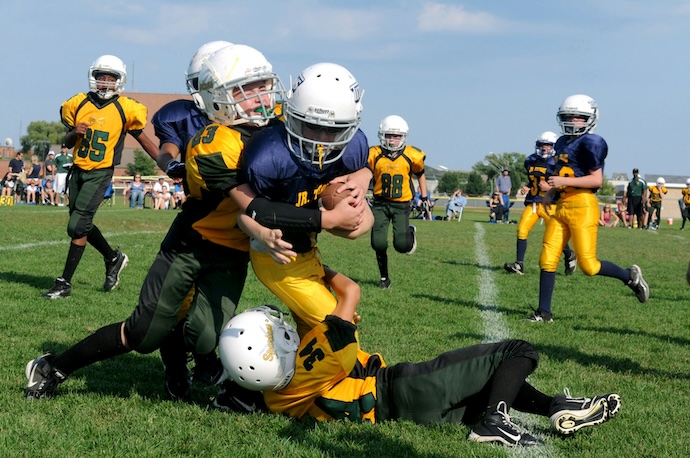
Photo by Ben Hershey on Unsplash
Final Thoughts
Preparing your child for sports is about more than uniforms and gear. It is about keeping their body healthy and their heart happy. Sports physicals, healthy food, enough rest, and safety habits all play a part. A family doctor can guide you through it and help your child stay strong. And your love and support will give them the confidence to enjoy every game.
Sports can be one of the best parts of growing up. They bring joy, energy, and lasting memories. With the right care, they can also be safe and healthy. As a parent, you can give your child that strong, safe start. Help them play hard, stay safe, and most of all, have fun out there.


Ashley Pugh ;
Ashley Pugh is one of the Co-Founders of Familydaysout.com and has been committed to writing family related content since 2008. There isn't much about family attractions that Ashley doesn't know, after visiting hundreds of them worldwide over the last 20 years.
Leave a comment