



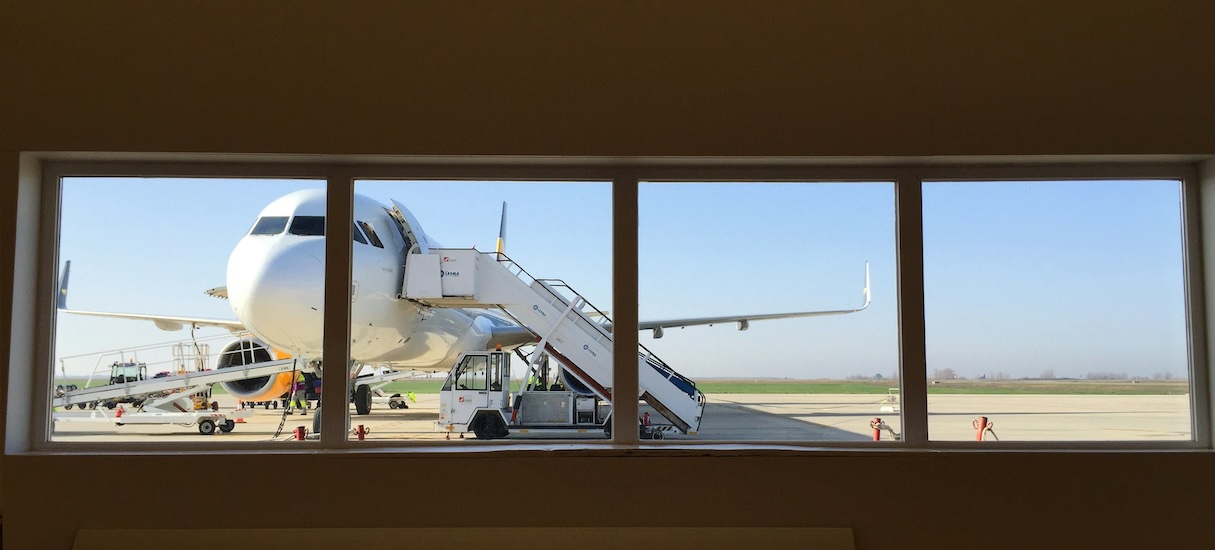







🧳 Before You Fly: Preparation Is Everything
-
Book smart. Opt for flights that match your child’s natural sleep schedule — early morning or overnight can work well for toddlers.
-
Choose your seats wisely. Many airlines let families board early, but it’s still worth paying extra for seats with more space or closer to the front.
-
Check airline policies. Each airline has different rules about baggage, strollers, and car seats. Delta’s family policies and American Airlines’ kids guide are good examples.
-
Prep your documents. Ensure you have passports, ID, any required consent letters (for solo traveling parents), and boarding passes organized in advance.
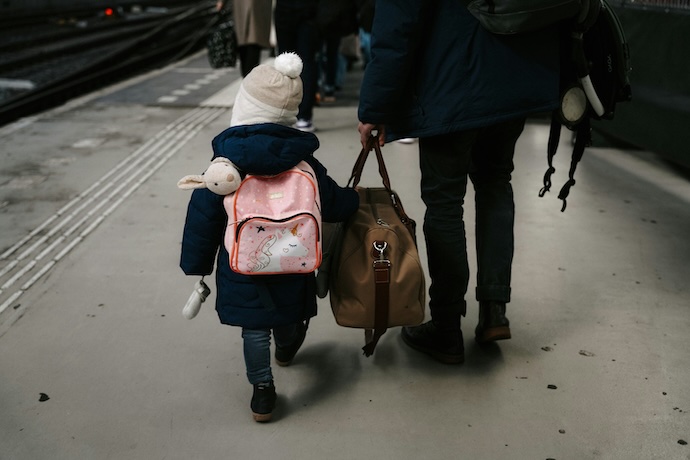
Photo by Mathias Reding on Unsplash
🎒 What to Pack (and What to Skip)
Carry-on essentials for flying with kids include:
-
Snacks (LOTS of them — avoid sugar bombs)
-
Wipes, nappies, hand sanitizer
-
Change of clothes (for you and your child)
-
Headphones + tablets loaded with offline shows/games
-
Favorite small toys, books, or travel games
-
Baby carrier for infants — lifesaver through security and boarding
Avoid packing new or noisy toys that may annoy fellow passengers or be tricky to manage in small spaces.
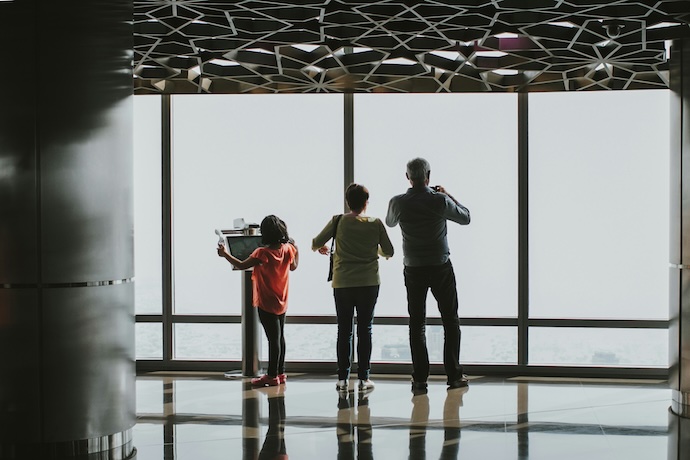
Photo by Kate Trysh on Unsplash
🛫 At the Airport: Hacks for Easier Boarding
-
Use the family security line. Most airports offer this and it can be faster and more patient.
-
Let them burn energy. Arrive early and find a play area. Airports like Chicago O’Hare or LAX have kid zones.
-
Gate-check strollers. Roll right up to the plane and hand them off at the gate. Just be sure they’re tagged at check-in.
❓ FAQ: Flying with Children
Yes. TSA allows reasonable amounts of baby food, breast milk, or formula — just declare it at screening.
Yes, if FAA-approved. It’s safer for young children on long flights and must be secured in a window seat.
Children under 18 generally do not need ID when flying with an adult, but always check your airline’s policy.
JetBlue, Southwest, and Alaska Airlines often top the list for family perks, free snacks, and in-flight entertainment.
Any age is possible — but between 6–12 months is often the sweet spot for first flights, before they become too mobile.
✈️ Onboard Survival Strategies
-
Feed during takeoff/landing. Helps relieve ear pressure — nursing, bottles, or chewy snacks work.
-
Entertainment rotation. Don’t give them everything at once. Rotate items every 20–30 minutes to hold attention.
-
Ignore judgment. Some people will roll their eyes if your child cries. Let it go. You’re doing your best.
👶 Flying with Babies and Toddlers
-
Lap infants (under 2) usually fly free domestically, but it may be worth buying a seat for long flights.
-
Pack formula or breast milk — you can bring more than 100ml if declared.
-
Try to stick to naps and feeding schedules, but be flexible when they inevitably go off-course.
🧒 What About Older Kids?
-
Give older children more responsibility — let them roll their own bag or choose snacks.
-
Involve them in travel prep: download airport maps, explore the plane layout, or show them your destination on a globe.
-
Use in-flight time for schoolwork, journaling, or fun travel quizzes.

Photo by Hacı Elmas on Unsplash
🌍 Destination Planning Tips
Once you land, make sure your family plans are just as fun and smooth:
-
Check our listings for family attractions near your airport
-
Plan airport downtime activities with kid-friendly layover guides
-
Explore city pages like Orlando or San Diego packed with great activities near airports

Ashley Pugh ;
Ashley Pugh is one of the Co-Founders of Familydaysout.com and has been committed to writing family related content since 2008. There isn't much about family attractions that Ashley doesn't know, after visiting hundreds of them worldwide over the last 20 years.
Leave a comment