



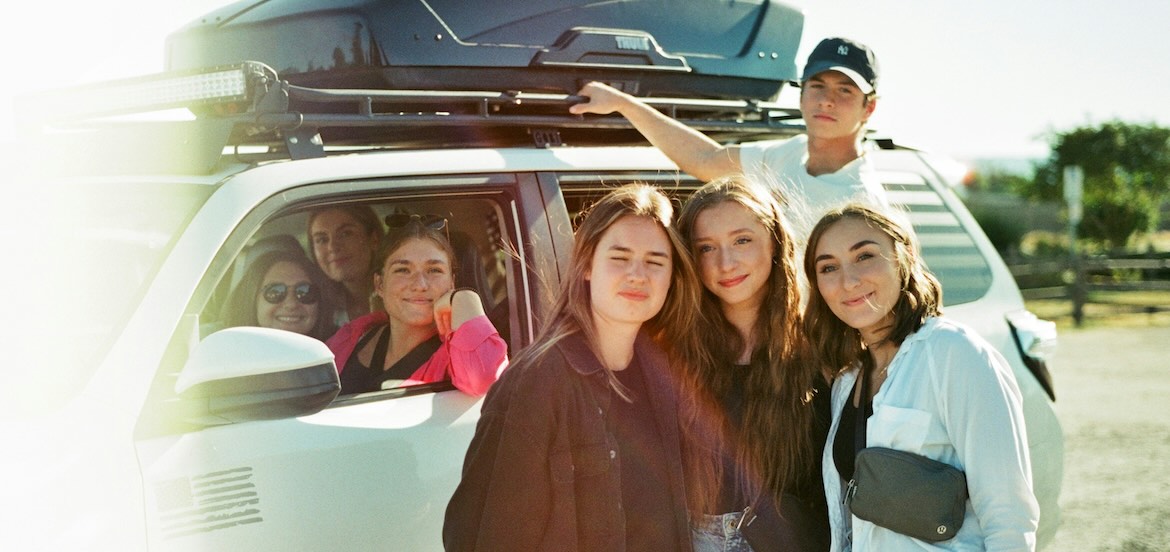







Here are 15 real-world, parent-approved tips that go beyond the basics — so you can ditch the stress and focus on making memories.
1. Choose Truly Kid-Friendly Destinations
Not every vacation hotspot is built for families — and trying to force a child to enjoy a wine-tasting village or a museum marathon rarely ends well. Instead, opt for destinations that genuinely cater to kids. Look for places with multiple attractions geared toward families, walkable areas, and nearby conveniences like restrooms, parks, and family dining.
Great examples include:
-
Orlando, FL: Home to Walt Disney World, Universal Studios, and SeaWorld.
-
San Diego, CA: Combines beautiful beaches with kid-pleasers like the San Diego Zoo and LEGOLAND.
-
Branson, MO: Affordable, family-friendly attractions like Silver Dollar City and indoor waterparks.
Start by asking: Will my kids be excited here? If the answer is yes, you’re on the right track.
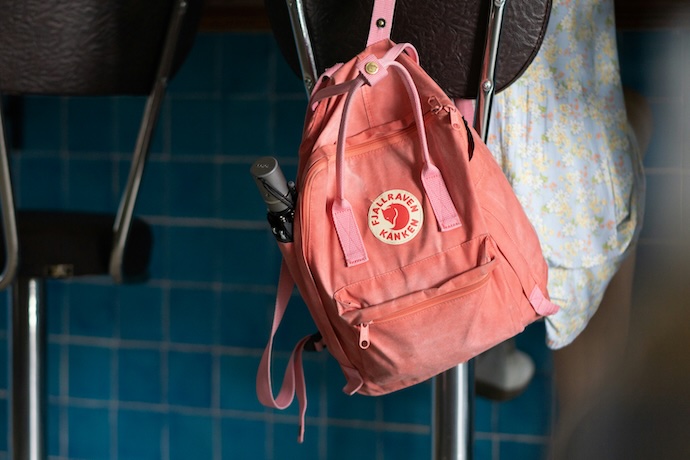
Photo by Charlie Solorzano on Unsplash
2. Pack Light, Pack Right
Overpacking creates chaos. Underpacking leads to meltdowns. The sweet spot is a streamlined, intentional packing list based on your kids’ specific needs. Use packing cubes to keep clothes sorted by day or child. Pack one outfit per day, one spare set of clothes per child, plus essential items like:
-
Wipes (even if your kids are out of diapers)
-
First-aid kit (see Tip 12)
-
A few comfort toys
-
Snacks, books, games
-
A lightweight stroller or carrier
Pro tip: Let older kids pack their own backpack with a few personal items — it gives them responsibility and reduces surprises.
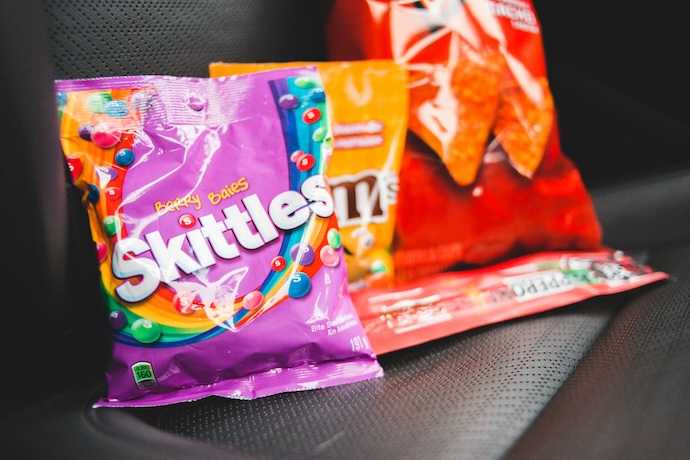
Photo by Erik Mclean on Unsplash
3. Snacks Are Your Superpower
A snack attack can derail even the best-laid travel plans. Kids get cranky fast when they’re hungry, and finding food on the go isn’t always easy (especially if they’re picky). Pack a variety of easy-to-carry, low-mess snacks like:
-
Fruit leather, dried fruit, and trail mix
-
Granola bars or breakfast biscuits
-
Mini sandwiches in reusable containers
-
Crackers, cheese sticks, veggie chips
Avoid anything sticky, overly sugary, or crumbly — you’ll thank yourself later.

Photo by Igor Starkov on Unsplash
4. Load Up on Entertainment
Boredom is the enemy of peaceful travel. Whether you’re flying, road-tripping, or waiting in line, having plenty of engaging activities is a game changer. Options include:
-
Tablets loaded with kid-friendly movies and games (pre-download them!)
-
Audiobooks and podcasts like Brains On! or Wow in the World
-
Coloring books, magnetic puzzles, travel-size LEGO kits
-
Classic games like “I Spy” or “Would You Rather?”
Rotate entertainment to keep it fresh, and don’t forget the headphones.
5. Keep (Some) Structure in the Chaos
Travel naturally disrupts routine — but kids thrive on predictability, so try to preserve elements of your home schedule, like nap time or bedtime rituals. Even if you’re in a new time zone, a familiar wind-down routine (same PJs, bedtime story, lullaby) can help them feel secure and sleep better.
That said, flexibility is key. Let go of the idea of perfect structure. It’s okay if naps happen in the stroller or lunch is later than usual — just keep the vibe calm and consistent.
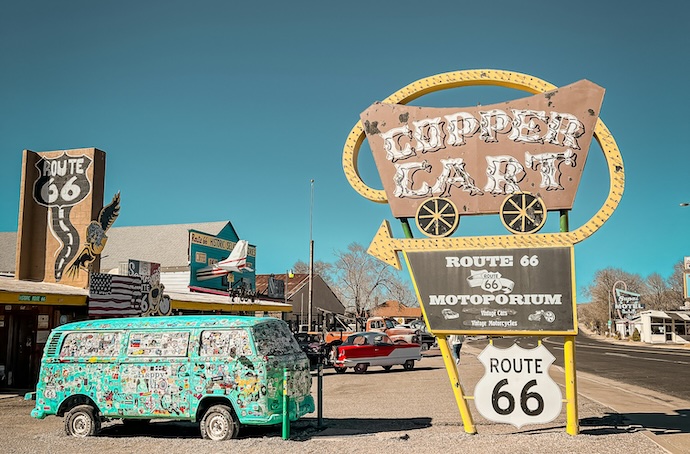
Photo by crystal-tubens on Unsplash
6. Break Up Long Journeys
Whether by car, train, or plane, long stretches of travel can cause restlessness and irritability. Plan intentional pit stops every few hours:
-
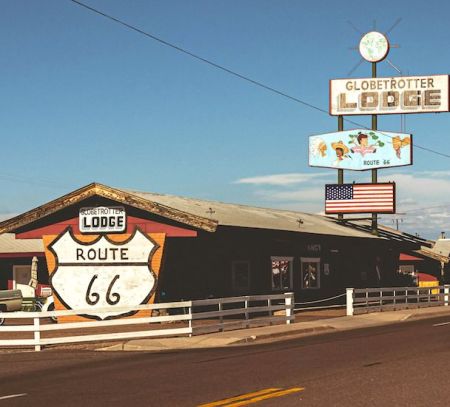
On a road trip? Build in stops at family-friendly roadside attractions.
-
Flying with layovers? Use airport play areas — many U.S. airports have kid zones.
-
Even gas stations or rest areas can become mini adventures if you bring a ball or picnic blanket.
The goal is movement, stimulation, and resetting the mood.
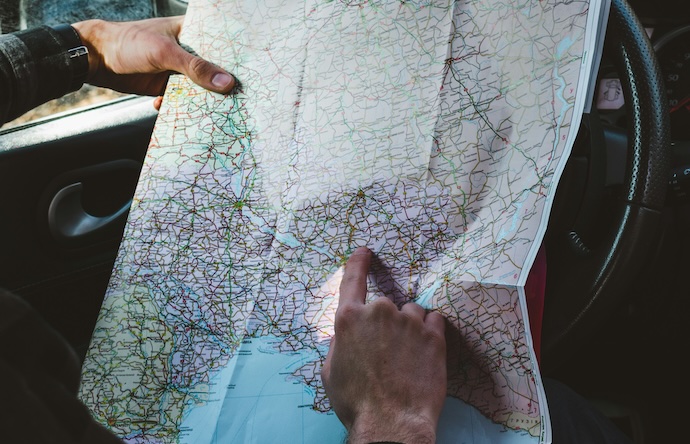
Photo by Taras Zaluzhnyi on Unsplash
7. Involve Your Kids in Planning
Want your kids to feel excited (not dragged along) during your trip? Give them a voice. Show them pictures of potential attractions, let them pick one or two stops, or give choices: “Would you rather visit the zoo or go on a river cruise?”
Older kids can help read maps, navigate public transport, or keep a travel journal. Even small decisions like choosing their snacks or outfits can create buy-in and reduce resistance.
Frequently Asked Questions
Ages 5–10 are often the easiest: kids are curious, walk well, and don’t need diapers. That said, traveling with babies has perks too (like flying free). Every age has trade-offs.
Yes — especially for city trips or theme parks. Choose a compact, collapsible stroller. Even if your child normally walks, they’ll tire faster during travel days.
A mix of media (movies, games), creative play (drawing, puzzles), and snacks. Break time into 30-minute segments with something new each round.
Use FamilyDaysOut.com to search by city, state, or type of attraction — from waterparks to indoor play zones.
Yes. Kids get sick, plans change, and luggage gets lost. Travel insurance offers peace of mind and financial protection.
8. Choose Lodging That Works for Families
Forget tiny hotel rooms with no space for play. Choose accommodations designed for comfort and sanity:
-
Look for family suites or vacation rentals with kitchens
-
Prioritize amenities like laundry access, separate sleeping spaces, and pools
-
Consider proximity to attractions — long commutes with kids are rarely fun
Websites like Airbnb, VRBO, and family-friendly hotels make it easier than ever to find the right fit.
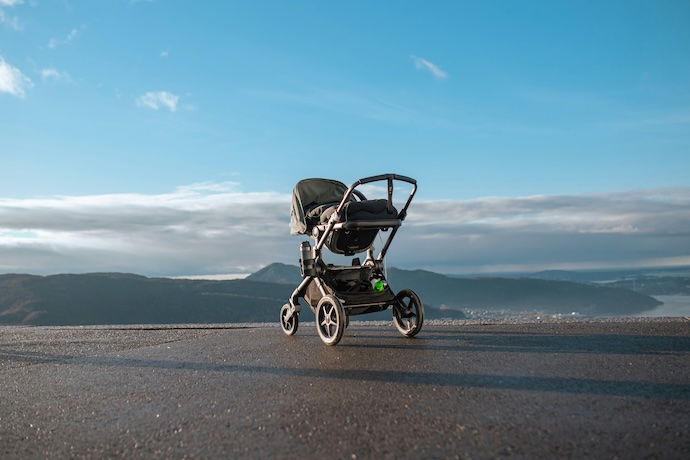
Photo by Ilyass SEDDOUG on Unsplash
9. Use Carriers & Strollers Wisely
Even school-age kids tire out fast. A lightweight stroller or soft carrier can be a lifesaver in airports, parks, or long city walks. Look for compact, travel-approved options that fold easily and don’t take up much space. Carriers are especially useful for babies and toddlers in crowded spaces where strollers aren’t practical.
10. Master the Airport Experience
Flying with kids doesn’t have to be a nightmare. Here’s what helps:
-
Check in online and arrive early
-
Use TSA family lanes and baby-wearing to get through security
-
Know your carry-on rules for liquids, formula, and snacks
-
Let them burn energy before boarding at airport play zones
And always, always bring an extra change of clothes in your carry-on — for both the child and you.
11. Don’t Overplan Your Days
Trying to hit five attractions in one day might sound efficient — until your toddler faceplants from exhaustion. Instead, aim for one main activity per day, ideally in the morning when energy levels are high. Leave afternoons flexible for naps, pool time, or spontaneous adventures.
You’ll enjoy the day more, and your kids won’t associate travel with total overwhelm.
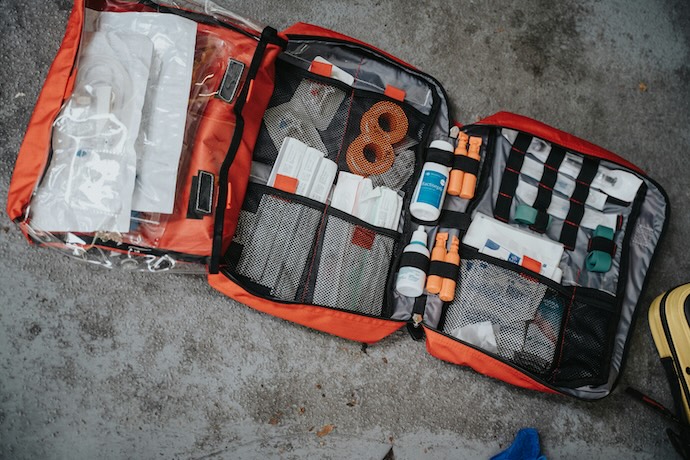
Photo by Mathurin NAPOLY / matnapo on Unsplash
12. Pack a Custom Travel First-Aid Kit
Avoid late-night pharmacy runs by assembling your own compact family travel first-aid kit. Include:
-
Band-aids, antiseptic cream, tweezers
-
Infant/child ibuprofen or acetaminophen
-
Allergy relief
-
Thermometer
-
Motion sickness tablets
-
Rehydration sachets
-
Bug spray and sunscreen
Bonus: include emergency contacts and insurance details in case of a real issue.
13. Download Before You Go
Mobile reception is never guaranteed. Prepare by downloading:
-
Google Maps offline for your area
-
Family attraction tickets and confirmation emails
-
Streaming content, podcasts, or audiobooks
-
Travel games, scavenger hunts, or activity sheets
That way, you’re not scrambling for Wi-Fi when your kid needs a distraction right now.
14. Take Advantage of Kid Discounts
Many attractions offer free or discounted admission for kids under certain ages — but you often have to ask or research in advance. Check out listings on FamilyDaysOut.com to find attractions with kid deals, group rates, or bundle passes for theme parks, museums, zoos, and more.
15. Lower Your Expectations (Really!)
Things will go wrong. You’ll spill juice, miss a bus, or forget someone’s favorite toy. The trick? Don’t aim for perfection — aim for joy. Let the little things go and focus on the big picture: you’re making memories, exploring new places, and spending time together. That’s what your kids will remember — not the delayed flight or tantrum in line.



Ashley Pugh ;
Ashley Pugh is one of the Co-Founders of Familydaysout.com and has been committed to writing family related content since 2008. There isn't much about family attractions that Ashley doesn't know, after visiting hundreds of them worldwide over the last 20 years.
Leave a comment