



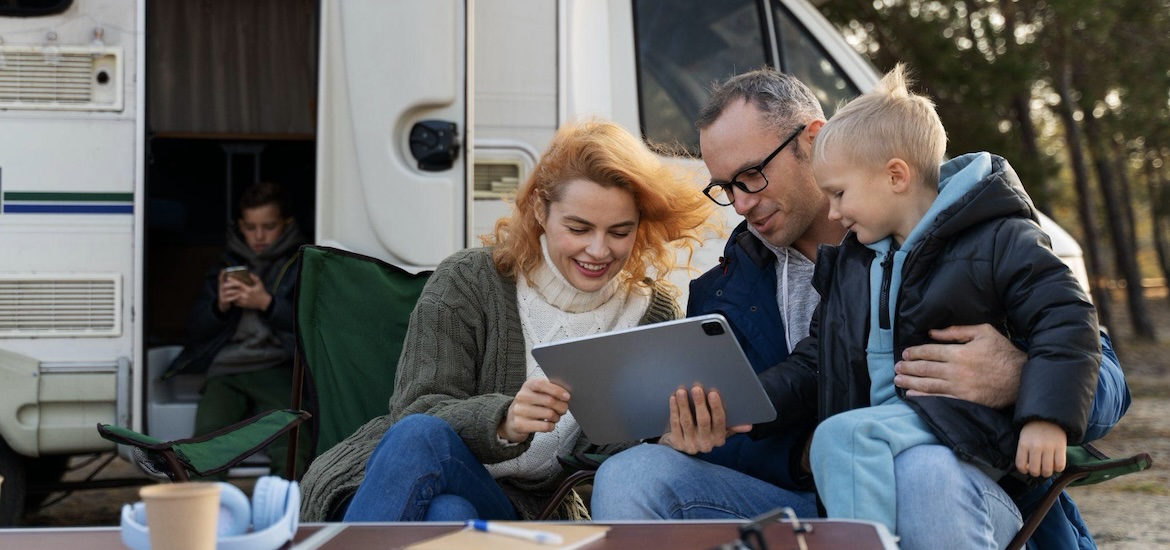







That’s where a smart awning for RV makes all the difference, turning your stop into a comfortable, calm pause instead of a scramble.Whether it’s a picnic under the trees or a half-hour break at a scenic overlook, these tips help you use shade to manage kids, meals, and weather—so your road trip stops become the highlights, not chores.
What families really need from a pit stop
When you pull off for a break, your goals are simple:
- Give kids a shady, safe place to move or rest
- Keep food, drinks, and gear cool and dry
- Protect from sudden sun or light rain
- Do it fast, with minimal fuss
A well‑designed awning setup helps you hit all of those. But only if you think ahead—layout, accessories, deployment speed all matter.
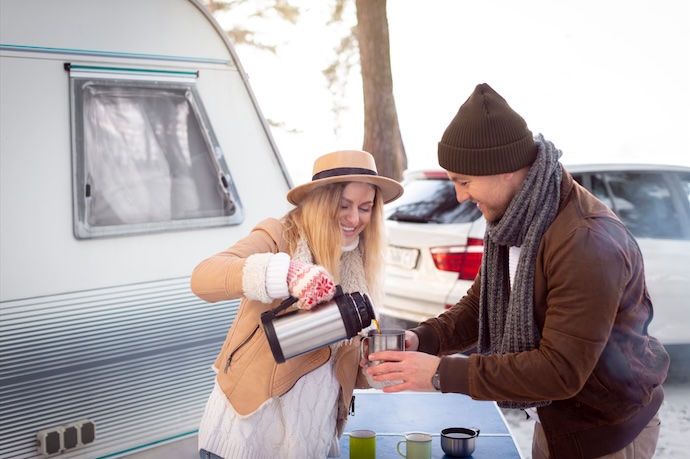
Quick deploy, easy comfort: what to look for
Families don’t want to wrestle with poles and ropes. Your shade system should feel like a convenience, not a burden.
- One‑person deployment: Manual or motorized awnings that roll out smoothly let one adult handle setup while another watches kids.
- Shallow to medium projection: You don’t always need deep shade—perhaps 6–8 ft is enough to cover a table or play area without overextending into wind.
- Lightweight materials: Strong but not heavy — you want components you can stow or adjust without strain.
- Side panels or zip‑on shades: Good for blocking early or late sun angles without dismantling your entire setup.
Those features give you speed and flexibility so your stops happen smoothly—not stressfully.
Layout strategies for stops with kids in mind
Shade is only part of the solution. How you lay out your stop determines whether the break is relaxing or chaotic.
- Zone your space: Dedicate one shaded area for eating, another for rest or play. Kids can go from shade to snack zone without running through sun.
- Mind wind and sun directions: Before setting up, glance at the surroundings. If the sun will shift, orient the awning so it covers the busiest zone during your stop window.
- Bring anchors and quick stakes: Even on surfaces that seem firm, secure guy lines or tie‑offs help avoid flapping in wind—especially with kids around.
- Use shading for storage: Place cooler boxes or sensitive gear under shade. That way, opening doors or lids doesn’t expose contents to full sun.
These layout moves help the shade do the heavy lifting, letting your family relax sooner.
Weather backup: what to handle fast
Even with planning, weather surprises happen. Your shade setup should let you respond quickly.
- Rain mitigation: Keep poles accessible to angle the awning slightly downwards for runoff. A sag or flat section collects water and stresses lines.
- Wind protocols: If gusts pick up, have a backup plan to roll half or fully in, or tighten supports quickly.
- Sun spikes: As the sun moves, side shades or zip walls help adjust without a full teardown.
- Emergency breakdown mode: Practice packing up fast. Stow fabrics loosely to prevent trapping water, and have a checklist (gear → cloth → stakes → poles) to avoid chaos when heading back out.
These habits keep your stops resilient—even in changing conditions.
Real trip example: turning a rest stop into a highlight
Imagine pulling into a shaded rest area just before noon. Kids are tired, snacks are out, and you want a quick but pleasant break.
- One adult rolls out the awning while the other unloads a cooler under shade.
- Ground seating or mats go beneath the awning projection so kids have a cool spot to stretch legs.
- Side‑panel shading blocks low sun angles, protecting faces and keeping glare off screens or books.
- If a brief shower comes, the awning overhead keeps the area dry and relaxed.
- You load up when ready — stowing gear first under shade, then rolling everything in easily with no last‑minute scramble.
That kind of calm, predictable stop helps everyone reset before the next leg.
Tips for choosing your shade solution
Here are features particularly useful for family travel:
- UV rating and fabric durability: Kids run, touch, and bump — pick materials that resist fading, tearing, and staining.
- Ease of replacement: If fabric or hardware fails mid-trip, modular or replaceable parts save downtime.
- Accessory compatibility: Zip‑on walls, screens, bug nets, and light mounts let you adapt for sunset or evening.
- Weight vs. strength tradeoff: Heavier gear may last longer, but won’t be fun to handle on rough ground.
These guideposts help you pick a shade system that balances durability and usability for family life on the road.
Final thought: stops that recharge, not disrupt
The true joy of road travel is the moments off the road: quiet picnics, reading a book under trees, watching kids explore. A thoughtfully deployed awning helps you control the setting, not surrender to the weather.
With a well‑laid setup, your stops are part of the adventure—not just interruptions. And when families see shade as part of the comfort equation, awning for RV solutions become a utility, not a luxury.
As you build your next road trip, consider how shade becomes your silent partner in making stops seamless, safe, and full of value.

Ashley Pugh ;
Ashley Pugh is one of the Co-Founders of Familydaysout.com and has been committed to writing family related content since 2008. There isn't much about family attractions that Ashley doesn't know, after visiting hundreds of them worldwide over the last 20 years.
Leave a comment