



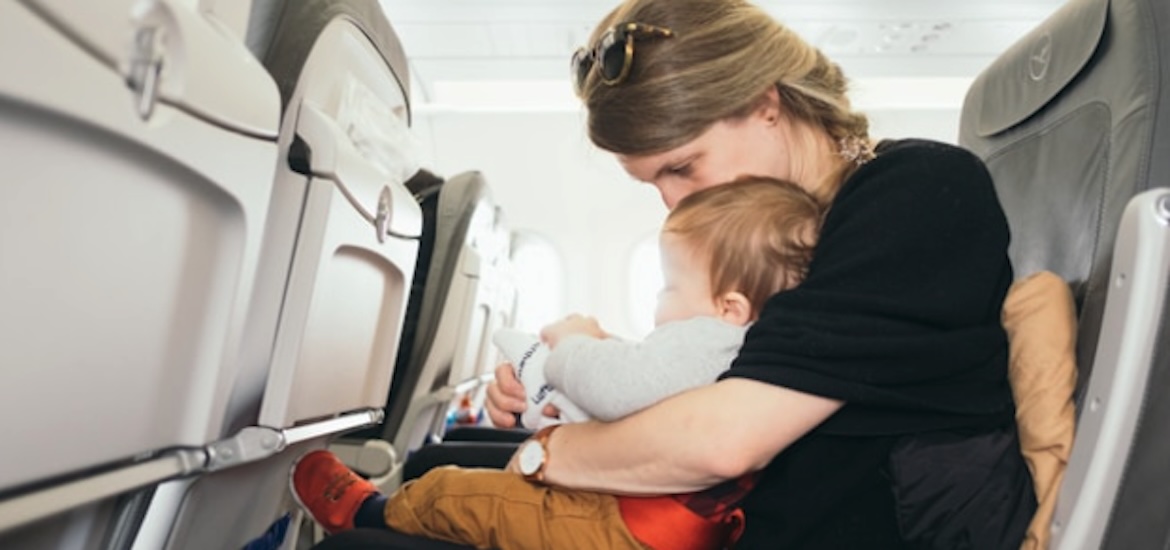







These workable methods will assist you in preserving steadiness while adjusting to unfamiliar settings and variable timetables.
Pack a Complete Travel Potty Kit
The basis of effective traveling while potty training involves maintaining appropriate materials readily available. A compact seat adapter converts strange toilets into something comfortable for little ones, removing the anxiety numerous toddlers feel with large public facilities. Maintain no fewer than three full outfit sets in your carrier, encompassing undergarments, trousers, and footwear. A moisture-resistant storage pouch proves crucial for containing dirty clothing without generating smells or disarray in your baggage or vehicle.
Think about including a small portable toilet in your automobile for genuine crises. During extended journeys, pausing every sixty to one hundred twenty minutes helps avoid mishaps that happen when locating a restroom takes excessive time.
Pack bathroom tissue or cleansing cloths, hand cleanser, and a little plaything or storybook that exclusively appears during restroom visits. This exclusive object can encourage hesitant toddlers and offer a helpful diversion in difficult circumstances.
Create Visual Schedules and Use Timer Reminders
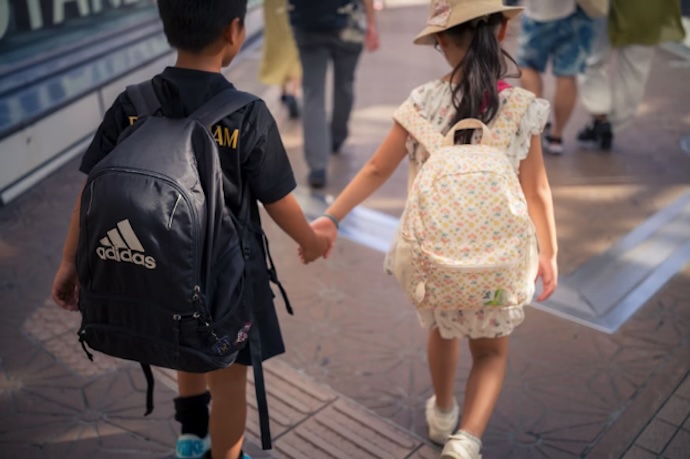
Children thrive on predictability. This makes the chaos of travel particularly challenging for newly trained toddlers. A simple visual schedule with pictures showing bathroom stops alongside other activities helps children understand what to expect throughout the day.
You can create these on your phone or use laminated cards that show the sequence of events during your trip. This becomes especially important when working with Potty Training For Autism, where visual aids and consistent schedules significantly support learning and reduce anxiety about routine changes. The visual component helps all children, but proves particularly valuable when verbal instructions alone don't provide enough structure.
Set a timer watch or phone alarm for regular bathroom intervals, even if your child doesn't signal the need to go. Every 90 minutes works well for most children in training, though you may need to adjust based on individual patterns.
Time Fluid Intake Strategically
Handling fluid consumption during trips demands advanced preparation rather than completely limiting beverages. Provide drinks generously during the initial portion of your travel, then progressively decrease consumption approximately sixty minutes before you require continuous travel duration. This method avoids dehydration while lessening the pressure of restroom requirements during air travel or extended periods without bathroom access. Restore typical fluid consumption after arriving at your location or following the crucial travel interval.
Stay away from sweetened beverages and fruit juice. These usually prompt more regular urination and cause stomach discomfort. Water and modest quantities of milk function optimally for sustaining hydration without taxing little bladders. Monitor your child's usual routines at home and attempt to mirror that schedule as closely as feasible while considering the interruptions that travel inherently creates.
Choose Family Restrooms and Prepare for Sensory Challenges
Public facilities introduce challenges absent from home environments, especially automated flush systems that alarm young kids. Some caregivers bring adhesive notes to obscure flushing detectors, stopping the toilet from activating until the child feels prepared.
Locate family or accessible facilities whenever feasible, as these generally provide additional room, seclusion, and frequently feature toilets at different elevations. They additionally permit caregivers of either gender to help children without difficulty.
Prior to entering an unknown restroom, alert your child regarding possible loud sounds, unusual odors, or automatic mechanisms. Allow them to observe you show flushing from a protected distance if necessary.
Use Pull-Ups Strategically
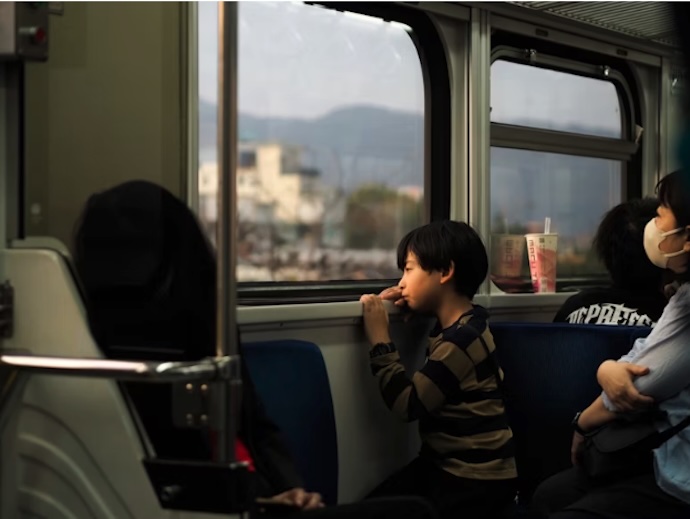
Photo by Ruth Leong on Unsplash
Bedtime pull-ups during trips don't need to undermine daytime training progress. The unfamiliar sleep setting, altered bedtimes, and disrupted schedules make overnight mishaps more probable even for children who remain dry at home. Present pull-ups as a short-term travel solution rather than regression, clarifying that after returning home, standard underwear continues.
During the day, commit fully to underwear or training pants unless you face an extended situation where accidents would be truly problematic, such as a long international flight. This consistency reinforces that your child is indeed toilet-trained while acknowledging that sleep remains different. Limit evening fluids an hour before bed and ensure bathroom visits happen right before sleeping.
Endnote
Establishing a strong potty training base before significant trips simplifies everything, but circumstances don't always allow for ideal timing. Through preparation, tolerance, and these workable approaches, you can sustain advancement while generating positive travel experiences that don't focus exclusively on restroom arrangements.


Ashley Pugh ;
Ashley Pugh is one of the Co-Founders of Familydaysout.com and has been committed to writing family related content since 2008. There isn't much about family attractions that Ashley doesn't know, after visiting hundreds of them worldwide over the last 20 years.
Leave a comment