











Below are ten fun outdoor activities for active kids with different options for every season. We know that coming up with new games can be challenging after a while, and we hope that this list will provide parents with great inspiration.
Fun Outdoor Activities Your Active Kids Will Adore
1. Go To Your Local Playground
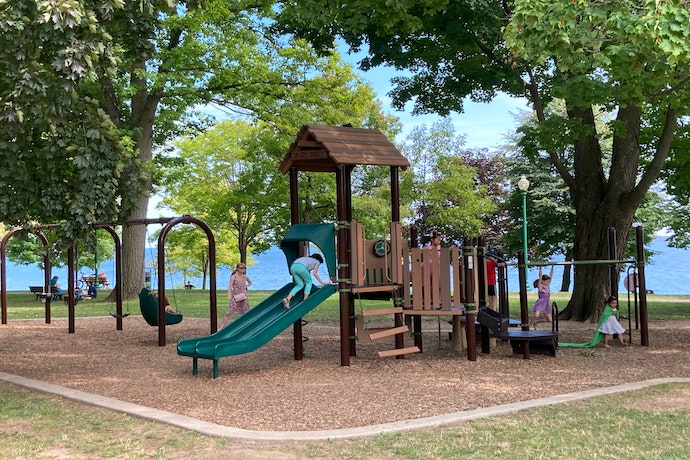
Photo by Oakville News on Unsplash
Why it works: playgrounds are social, low-cost and brilliant at burning energy. For small children, a trip to the nearest park gives them climbing, sliding and balancing practice; for older kids, playgrounds are a chance to invent games, build obstacle courses and practise leadership.
Ages/skill level: 1–12+ (choose parks with age-separated equipment).
What to pack: sun protection, reusable water bottles, snacks, wipes, small first aid kit, spare clothes.
Variations:
-
Circuit challenge — time different stations (swings, monkey bars, balance beam) and let kids beat their own best time.
-
Playdate Olympics — invite friends and run simple races, relay games and target challenges.
Safety tips: check surface conditions under equipment, watch for exposed bolts or loose rungs, and if toddlers are present, use shaded areas during hot days. Big-city parks like Central Park and Brooklyn Bridge Park are great examples of multi‑age play spaces.
2. Have a water‑balloon war (or water-play festival)
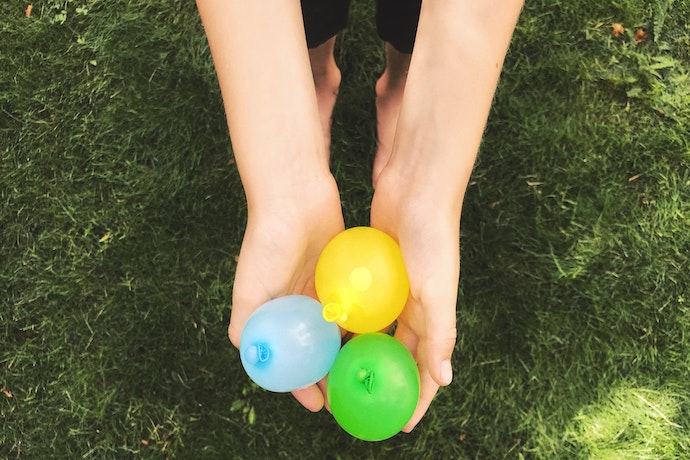
Photo by Gabriel Alenius on Unsplash
Why it works: instant, messy, joyful — perfect for summer. Water-balloon games cool kids down, add friendly competition and are easy to set up in minutes.
Ages/skill level: 3+ (younger kids can use spray bottles and buckets).
What to pack: biodegradable balloons (where possible), buckets, sponges, safety scissors for popping string, towels, change of clothes.
Variations:
-
Team capture-the-flag with soaked flags.
-
Water‑relay with sponges instead of balloons for younger children.
-
Make it educational: timing challenges, measuring water volumes, or simple water-physics experiments.
Safety tips: avoid slippery concrete, clear the area of hazards, and reuse or properly dispose of balloon pieces to protect wildlife. Have a “dry zone” for infants or those who don’t want to get soaked.
3. Pick apples (or seasonal fruit) at a local orchard
Why it works: orchard visits combine mild exercise, sensory learning and tasty rewards. Many orchards offer child-friendly extras: petting zoos, tractor rides, playgrounds and seasonal festivals.
Ages/skill level: All ages.
What to pack: hats, sunscreen, sturdy shoes, small basket or bag, wipes, snack, water.
Variations:
-
Fruit-scavenger hunt — give kids a checklist of colours/shapes to find.
-
Cooking follow-up — turn picking into a lesson: bake apple muffins or make applesauce together.
Safety tips: stay on marked paths, supervise near farm machinery or animal enclosures, and check orchard rules about sampling fruit. (If apples aren’t in season locally, check pick-your-own options for berries or stone fruit.)
4. Go On A Scenic Hike
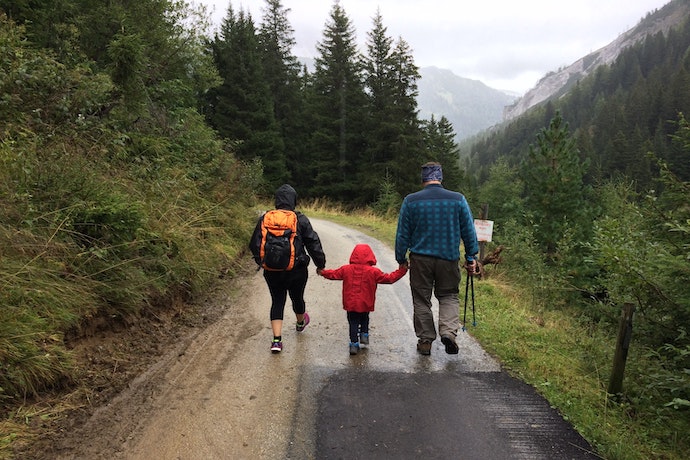
Photo by Alberto Casetta on Unsplash
Why it works: hiking blends exercise, discovery and family conversation. Trails give kids manageable challenges, teach route‑planning and reward them with real sense of achievement.
Ages/skill level: stroller‑friendly trails for toddlers; 5+ for short hikes; older kids for steeper or longer routes.
What to pack: comfortable walking shoes, layered clothing, hats, snacks, water, basic first-aid, map or phone with offline maps, whistle.
Where to go: many state and national parks are extremely family-friendly — for example, Acadia National Park (Maine) and popular US national parks. Note that while most local and many state parks are free, several national parks (including some in the US) charge entrance or parking fees — check the National Park Service or Recreation.gov before you go.
Variations:
-
Micro‑hikes for small legs: choose routes that include a picnic spot or a stream to explore.
-
Theme hike: bug‑spotting, leaves of autumn, or geology scavenger hunt to make each trail different.
Safety tips: stick to marked trails, set a realistic turnaround time, and prepare for changing weather. Teach kids basic trail etiquette: stay on the path and respect wildlife.
5. Backyard bug hunt (mini‑naturalist day)
Why it works: a bug hunt sparks curiosity and introduces science in a hands-on way. It’s perfect for small yards, parks or community gardens and fosters patience and observation skills.
Ages/skill level: 3+
What to pack: magnifying glass, small pots with breathable lids, notebook and pencil for sketches, camera, hand lens, field guides or apps.
Variations:
-
Build a simple habitat — turn an old jam jar into a short-term critter hotel (always release creatures afterward).
-
Create a nature journal — children can record species, behaviours and habitat notes.
Safety tips: avoid handling stinging insects, wash hands after handling creatures, and teach children to respect habitats — no unnecessary disruption.
Outdoor Fun for Active Kids – FAQ
Parents often have questions about how to keep kids engaged, safe, and entertained while playing outside. Here are some of the most common queries, answered with practical tips for planning the perfect active day outdoors.
Aim for at least 60 minutes of active outdoor play per day for children, broken into manageable chunks if attention or stamina is limited.
Try setting outdoor-first rules where a chunk of screen time is “earned” after active outdoor play — makes both easier to manage.
Mix activities: one big group game (tag, relay), a calm station (nature journaling) and a short structured task (scavenger hunt) so everyone finds something they enjoy.
6. Spend A Day At The Beach
Why it works: sand + sea = limitless play. Beaches combine open space, water play and sensory experiences. Active kids can build, run, swim and explore while parents relax nearby.
Ages/skill level: all ages (with age-appropriate supervision).
What to pack: sun protection, shade (parasol/tent), life jackets for non-swimmers, sand‑toys, buckets, snacks, a basic first‑aid kit.
Variations:
-
Shoreline relay races, beach obstacle courses, and shell-collecting bingo.
-
Try beginner surf lessons where available (many family beaches offer kid-friendly instructors).
Safety tips: always watch tides and currents, swim near lifeguarded zones, and check local beach conditions before entering ocean water.
7. Go white‑water rafting (gentle grades for families)
Why it works: rafting builds teamwork and is a high‑adrenaline, memorable family activity — but pick routes appropriate for children and inexperienced paddlers.
Ages/skill level: many outfitters run family-friendly stretches suitable for kids from about 6–8 up (age minimums vary).
Where to go: the Delaware Water Gap offers family rafting options accessible from New Jersey or Pennsylvania; other popular river choices include parts of the Colorado River and Snake River for more experienced groups. Always book with reputable outfitters who provide life jackets and instruction.
What to pack: quick‑dry clothing, water shoes, sunscreen, water bottle in a corded holder, dry bag for essentials.
Variations:
-
Half‑day float trips for younger families.
-
Combine rafting with a riverside picnic and wildlife spotting.
Safety tips: listen carefully to guides, use approved personal flotation devices and choose rapids rated for family groups. Confirm age/weight limits with operators before booking.
8. Hit the ski slopes (family winter sports)
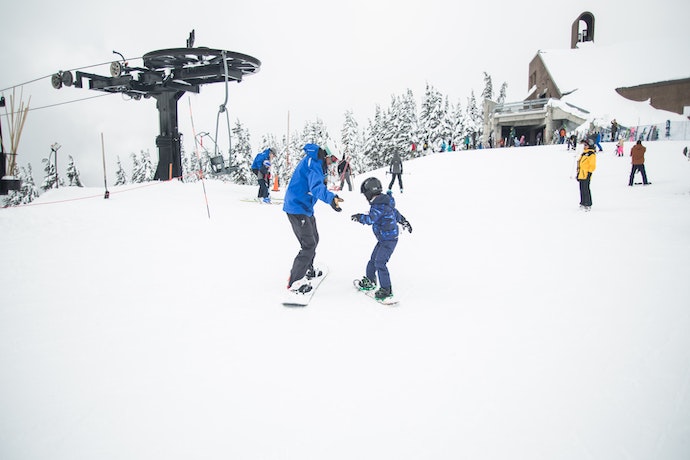
Photo by Lex Valishvili on Unsplash
Why it works: skiing and snowboarding teach balance, perseverance and offer big family fun across winter weekends and holidays. Many resorts run excellent kids’ lessons and nursery slopes.
Ages/skill level: youngest skiers often start around 3–4 years in beginners’ classes; older children and teens can progress quickly with lessons.
Where to go: US mountain states — Colorado, Utah, Vermont and New Hampshire — are packed with family-friendly slopes and resort facilities.
What to pack: insulated layers, waterproof gloves, goggles, helmet, sunscreen and lip balm. Consider renting equipment for first-timers.
Variations:
-
Snow tubing for kids not ready to ski.
-
Beginner group lessons give fast results and build confidence.
Safety tips: always use helmets for children, book lessons with certified instructors and check avalanche advisories when heading off-piste.
9. Snowmobiling — a winter alternative for older kids
Why it works: snowmobiling is an exciting way to see snowy landscapes without long lessons. It’s best for older children who can maintain balance and follow safety instructions.
Ages/skill level: older children/teens — operators typically set age and passenger limits.
Example location: families have enjoyed guided snowmobile routes at places like Okemo Mountain, Vermont — check local providers for age rules and safety requirements.
What to pack: warm, windproof layers, goggles, gloves, and appropriate footwear.
Safety tips: never let children drive unless local rules and operator permits support it; use guided tours and double-check passenger and weight restrictions.
10. Play catch — classic, flexible, forever
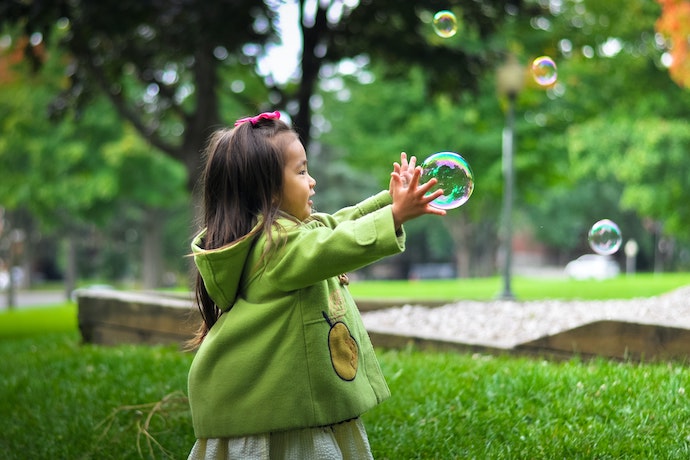
Photo by Leo Rivas on Unsplash
Why it works: a simple game of catch strengthens motor skills, focus and parent–child connection. It’s portable, low-cost and can be played almost anywhere.
Ages/skill level: toddler tosses through to competitive teen drills.
What to pack: a soft ball for toddlers, mitts for baseball practice, cones for target work, and a stopwatch for friendly timing games.
Variations:
-
Target practice — use cones or buckets for accuracy drills.
-
Movement combos — add throwing while stepping or running to increase fitness.
Safety tips: pick soft, open areas away from traffic and keep breakable items out of the play zone.
Quick seasonal swaps & additions
-
Spring: scavenger hunts, blossom‑spotting, pond dipping.
-
Summer: water games, beach days, late sunset storytimes.
-
Autumn: apple picking, leaf‑pile jumping, harvest festivals.
-
Winter: sledding, tubing, snow‑shoe scavenger hunts (sheltered trails for little legs).
Packing checklist for a day outside
-
Sunscreen & hats • Water bottles • Snacks • Spare clothes • Basic first‑aid • Phone & portable charger • Small towel • Child-appropriate life jacket (if near water) • Binoculars or magnifying glass (optional)



Ashley Pugh ;
Ashley Pugh is one of the Co-Founders of Familydaysout.com and has been committed to writing family related content since 2008. There isn't much about family attractions that Ashley doesn't know, after visiting hundreds of them worldwide over the last 20 years.
Leave a comment