



 Manage Attraction
 Suggest an Edit
New Orleans Pharmacy Museum
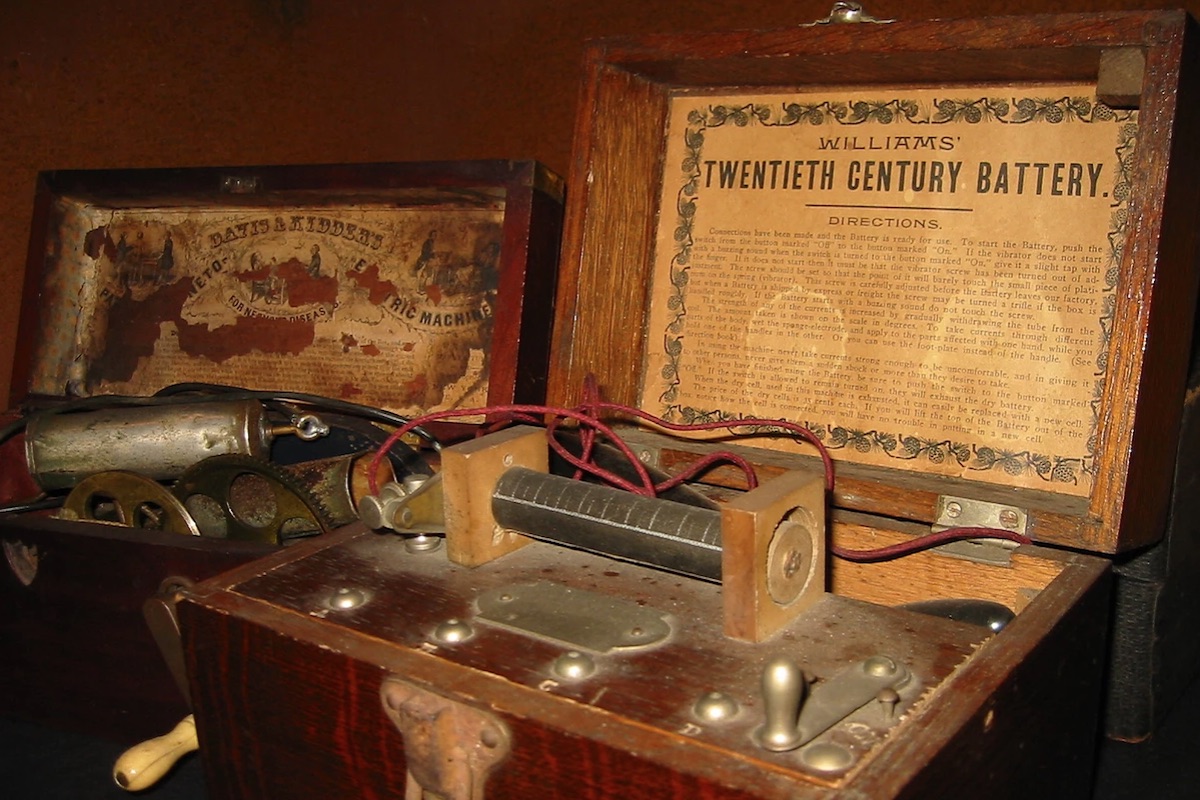
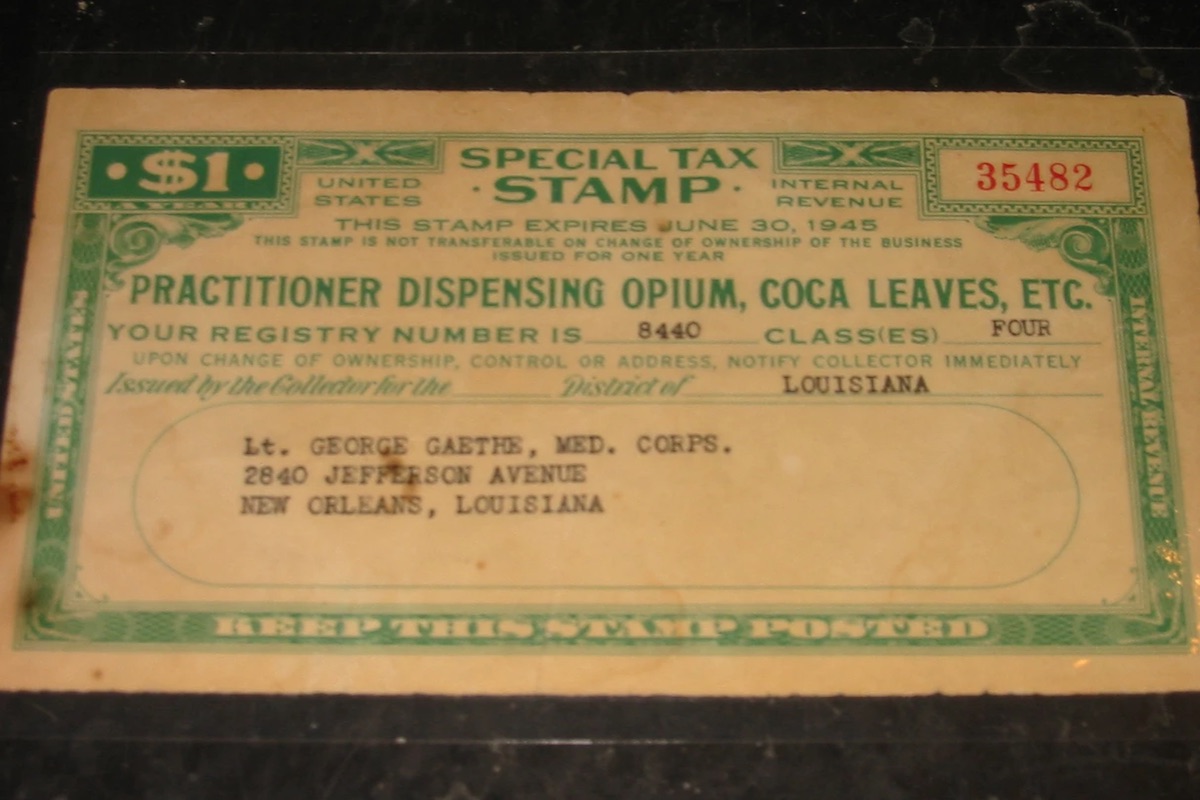
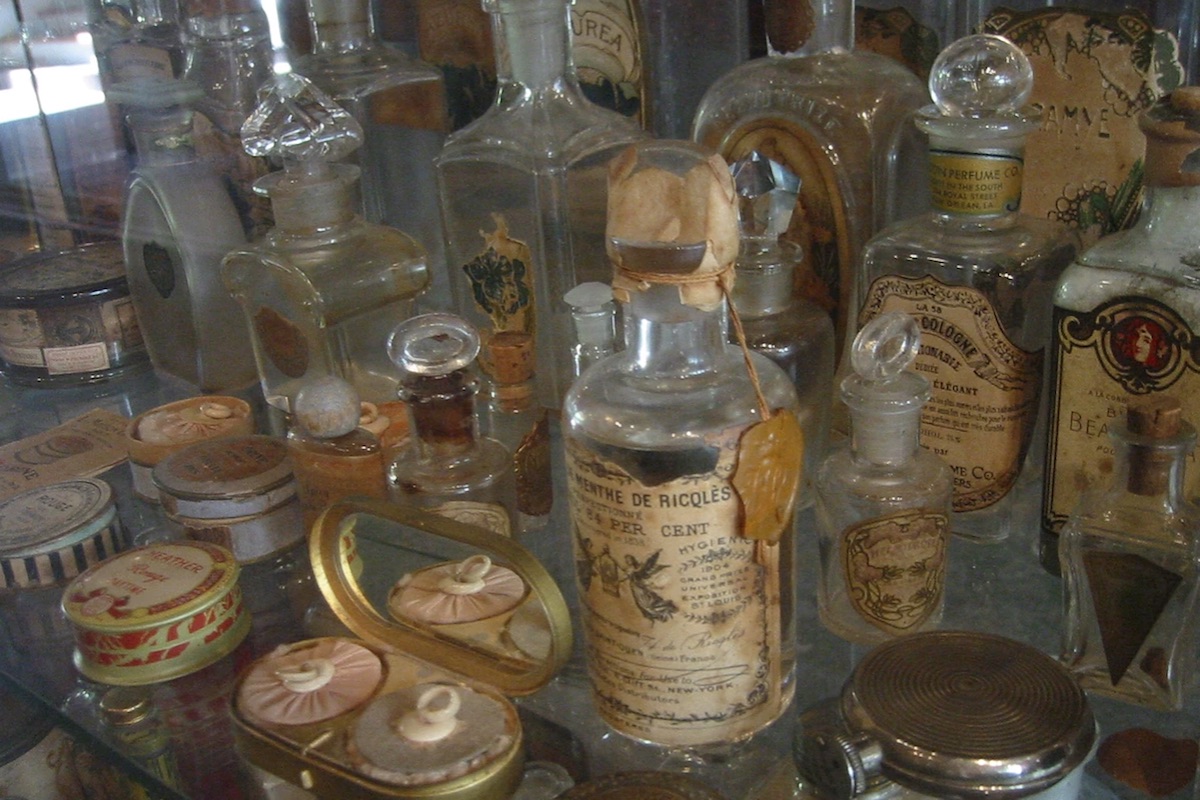
About New Orleans Pharmacy Museum
Immerse yourself in the intriguing history of New Orleans with a visit to the New Orleans Pharmacy Museum. Located in the heart of the city, this unique museum offers a captivating journey into the fascinating world of 19th-century medicine. Housed in the original apothecary of the state's first licensed pharmacist, Louis J. Dufilho, the museum provides a rare glimpse into the practices and innovations that shaped modern pharmacy.
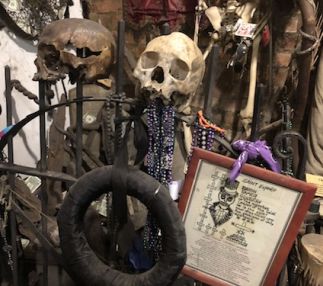
As you explore the museum, you'll encounter a remarkable collection of exhibits showcasing a variety of historical medical instruments and practices. From the surgical tools of yesteryear to the potent medicinal herbs and potions once used by Voodoo practitioners, every corner of the museum tells a story. The displays of rare patent medicines and apothecary bottles add an extra layer of intrigue, painting a vivid picture of life in 19th-century New Orleans.
The museum isn't just about the science of medicine; it's also a portal into the cultural and social aspects of the time. As you wander through the exhibits, you'll learn about the groundbreaking law passed by Dufilho, which required aspiring pharmacists to obtain a license, setting standards for the profession that continue to benefit us today.
While the museum is a treasure trove of knowledge, it may be best suited for older children and adults due to some of the more graphic exhibits. However, the stories and displays are bound to captivate those with a curiosity for history and a taste for the macabre. Whether you're a history buff, a science enthusiast, or just looking for a unique family outing, the New Orleans Pharmacy Museum offers a riveting and educational experience for visitors of all ages.
Is this your business ? Claim it
Suggest editHow much does it cost?
Suggest editAdults $5
Children $4
Free Under 6
Last Update 2025
Discount TBC
Weather forecast
Activity reviews
Questions & Answers
Ask a Question
No questions yet. Be the first to ask!
New Orleans Pharmacy Museum FAQ’s
How does the museum contribute to preserving history?
The museum plays a crucial role in preserving the history of pharmacy and medicine by maintaining authentic exhibits and offering educational tours.
What can families do after visiting the museum?
After exploring the museum, families can enjoy a stroll through the vibrant streets of the French Quarter or visit nearby attractions like Jackson Square and the Audubon Aquarium.
Are there facilities for visitors with babies or young children?
While the museum is more suited to older children, parents can find diaper-changing facilities and quieter spaces within the museum for young children.
What are some nearby dining options for families visiting the museum?
There are plenty of family-friendly restaurants and cafes around the French Quarter, offering everything from classic Creole dishes to kid-friendly menus.
What should visitors know about the candlelit tours?
Candlelit tours offer a spooky and intimate look at the museum's history. They're popular, so booking in advance is recommended to secure a spot.
Are there souvenirs available for purchase at the museum?
While the museum doesn't have a gift shop, nearby stores in the French Quarter offer unique souvenirs and memorabilia related to New Orleans' rich history.
What educational opportunities does the museum offer for students?
Teachers will find the museum an excellent resource for interactive learning about history, medicine, and cultural practices. Customized tours can be arranged for school groups.
Can we find healthy food options near the museum?
Yes, several nearby cafes and restaurants offer salads, fresh juices, and other healthy meal options that cater to dietary preferences.
How can visitors with accessibility needs be accommodated?
Visitors with accessibility needs should speak to museum staff upon arrival. While the building is historic, staff are on hand to provide assistance whenever possible.
What makes the New Orleans Pharmacy Museum historically significant?
The museum is listed on the National Register of Historic Places, marking it as a site of national historical significance.
Do you work for this business?
Update your info, respond to reviews, and more by claiming your business now!
Claim Business

Rate & Write a Review
Your rating *