



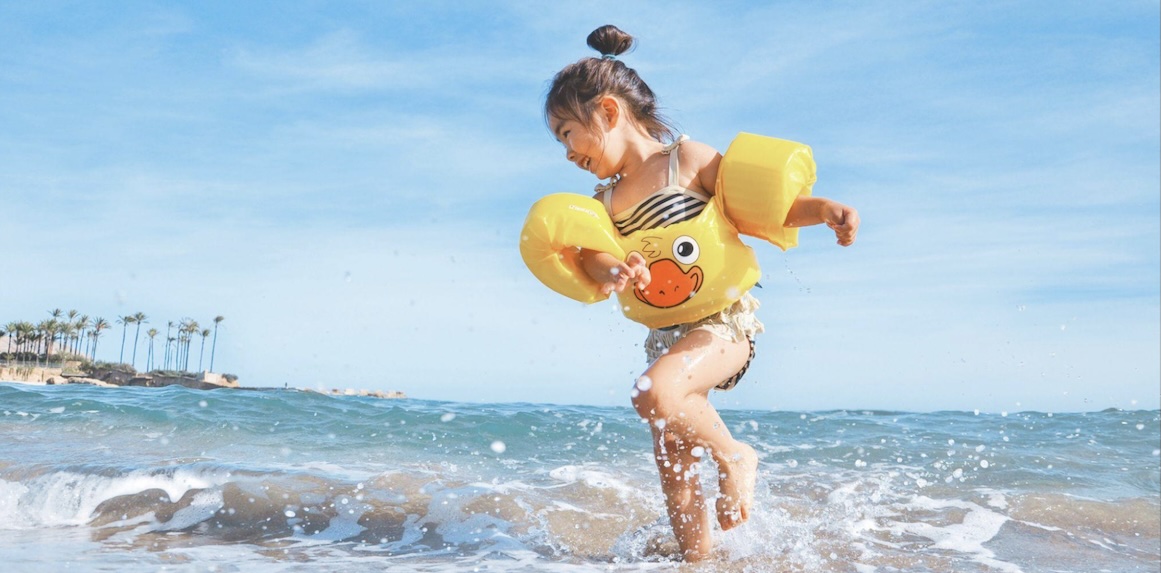







Choosing the right beach for young children involves more than just sand and sunshine. ook for places that balance fun, safety, and comfort, which is why searches and resources around beaches with kids are so common when planning a family getaway. A truly family-friendly beach supports children’s needs while also making the experience enjoyable and manageable for parents and caregivers.
Gentle water conditions and shallow entry
One of the most important features of a child-friendly beach is calm water. Beaches with gradual, shallow entry allow children to wade and play without sudden drop-offs or strong waves. Gentle surf reduces anxiety for parents and gives kids the freedom to explore the shoreline safely.
Consistent conditions also matter. Beaches that are generally predictable, rather than changing dramatically with tides or weather, tend to be better suited for young swimmers and first-time beachgoers.
Clean, soft sand for play
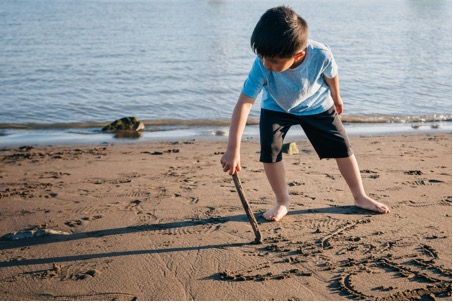
Sand quality plays a bigger role than many people realize. Soft, fine sand is easier for children to walk on and ideal for activities like building sandcastles or digging. Beaches with rocky patches, shells, or coarse sand can limit play and increase the risk of minor injuries.
Cleanliness is equally important. Well-maintained beaches with regular cleaning reduce concerns about debris, sharp objects, or waste, allowing kids to play more freely.
Easy access and nearby amenities
Family-friendly beaches are often defined by convenience. Easy parking, short walks to the shoreline, and accessible paths make a significant difference when traveling with strollers, bags, and young children.
Nearby amenities such as restrooms, changing areas, and shaded spaces help families stay longer without discomfort. Access to food options or picnic areas can also reduce the need to pack excessively or leave early.
Lifeguards and visible safety measures
The presence of lifeguards adds a crucial layer of reassurance for families. Beaches with designated swimming areas, posted safety information, and clear signage help parents understand conditions and rules at a glance.
Visible safety measures create a more relaxed environment, allowing adults to focus on enjoying time with their children rather than constantly worrying about potential hazards.
Space to move without overcrowding
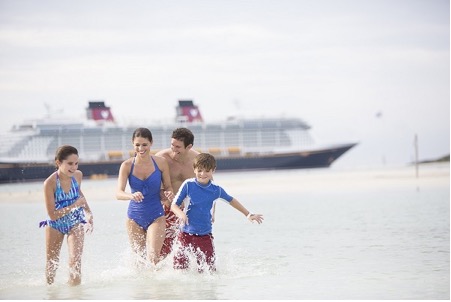
Crowding can quickly turn a beach day stressful for families. Beaches that offer enough space for children to run, explore, and play without bumping into others tend to feel more welcoming. Open areas also make it easier to set up towels, umbrellas, or small play zones.
A less crowded beach environment helps children feel less overwhelmed and gives parents more flexibility in managing activities and supervision.
Natural shade and sun protection options

Photo by Fermin Rodriguez Penelas on Unsplash
Young children are especially sensitive to sun exposure, making shade an important consideration. Beaches with natural shade from trees, dunes, or cliffs offer relief during peak sun hours. Where natural shade is limited, beaches that allow or support umbrellas and pop-up tents are more accommodating for families.
Access to shaded rest areas encourages breaks and helps prevent fatigue or overheating during longer beach visits.
Calm surroundings and noise levels
A family-friendly beach often has a calmer atmosphere overall. Excessive noise, heavy party scenes, or high-speed water activities can make it harder for families with young children to relax. Beaches that emphasize leisure, swimming, and simple play tend to be better aligned with family needs.
A quieter environment also supports nap schedules and helps children feel more comfortable in unfamiliar settings.

Environmental quality and water health
Water quality is a key factor for parents. Clean water with good visibility and minimal pollution contributes to a safer swimming experience. Many families pay attention to local water quality reports and beach advisories before choosing where to go.
The U.S. Environmental Protection Agency provides guidance on beach water quality and safety, helping families understand how monitoring programs work and what to look for when assessing swimming conditions.

Activities suited to young children
Not all beach activities are suitable for young kids. Family-friendly beaches often offer simple, age-appropriate options such as tide pools, gentle snorkeling areas, or calm bays where children can observe marine life safely.
These low-risk activities encourage curiosity and engagement without requiring advanced swimming skills or specialized equipment.
Why the right beach makes a difference
A beach that truly caters to young children supports exploration, comfort, and safety all at once. When these elements come together, families can focus less on logistics and more on shared experiences. Choosing a family-friendly beach helps create positive first memories of the ocean and sets the tone for enjoyable trips in the years to come.
By understanding what makes a beach suitable for young children, families can make more confident choices and enjoy beach days that feel relaxed, memorable, and genuinely welcoming for all ages.

Photo by Leo Rivas on Unsplash



Ashley Pugh ;
Ashley Pugh is one of the Co-Founders of Familydaysout.com and has been committed to writing family related content since 2008. There isn't much about family attractions that Ashley doesn't know, after visiting hundreds of them worldwide over the last 20 years.
Leave a comment