



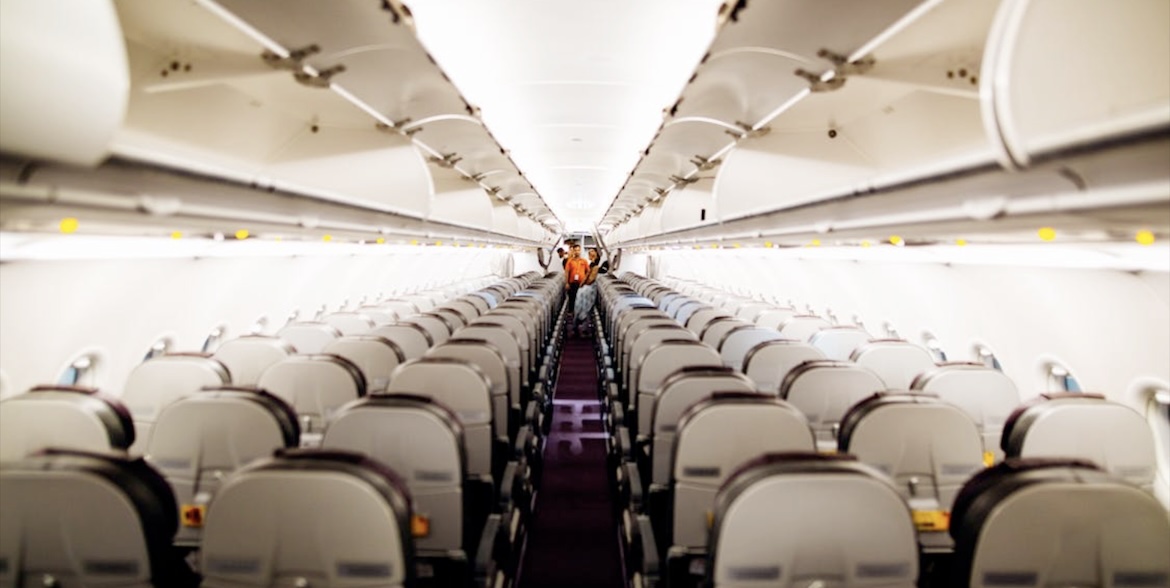







In this comprehensive guide, we are going to break down everything you need to know about traveling with a baby - from the logistics of the airport to the specific gear that will save your sanity. Whether it is your first time or you are a seasoned traveler looking for a refresher, these tips will help you navigate the journey with confidence.
Essential Tips for Traveling with an Infant
Success when traveling with an infant starts long before you reach the gate. One of the most important things to remember is that babies thrive on routine, but travel is the enemy of routine. To bridge this gap, you need to be flexible but also over-prepared with your baby essentials.
Timing your flights can make a huge difference. Many parents swear by booking flights during naptime or late at night, hoping the engine's white noise will lull the baby to sleep. Others prefer morning flights when the baby is at their happiest and most alert. Regardless of the time, having a well-stocked bag is the key to managing any situation.
- Layered Clothing: Airplanes can fluctuate from freezing to stuffy in minutes. Dress your baby in easy-to-remove layers so you can adjust their temperature quickly.
- Extra Diapers: A good rule of thumb is one diaper for every hour of travel, plus a few extras for unexpected delays.
- Pacifier Clips: If your baby uses a pacifier, clip it to their clothes. Finding a dropped pacifier under an airplane seat in the dark is a challenge you don't want to face.
- Interactive Toys: Bring a mix of old favorites and one or two brand-new toys to keep their attention during long stretches of sitting.
- Feeding Supplies: Whether you are breastfeeding or using formula, ensure you have easy access to everything you need to keep the baby fed and calm during takeoff and landing.
Navigating Airports When Traveling with a Baby
The airport is often the most stressful part of the journey. Between long security lines and the walk to the gate, traveling with a baby requires a tactical approach. Most airports are accommodating to families, but you have to know what to ask for. Many terminals now offer nursing rooms, family restrooms, and even play areas.
When you are traveling with an infant, give yourself twice as much time as you think you need. Rushing leads to stress, and babies are experts at picking up on parental anxiety. If you have a layover, check the airport map in advance to find the nearest "family zone." This is also a good time to restock on HiPP baby formula or other liquids if you have run low during the first leg of your trip.
- Early Boarding: Most airlines offer pre-boarding for families with small children. Use this time to get your overhead bags stowed and the seating area organized.
- Gate Checking: Most strollers can be used right up until you board the aircraft. You leave it at the end of the jet bridge, and it will be waiting for you when you land.
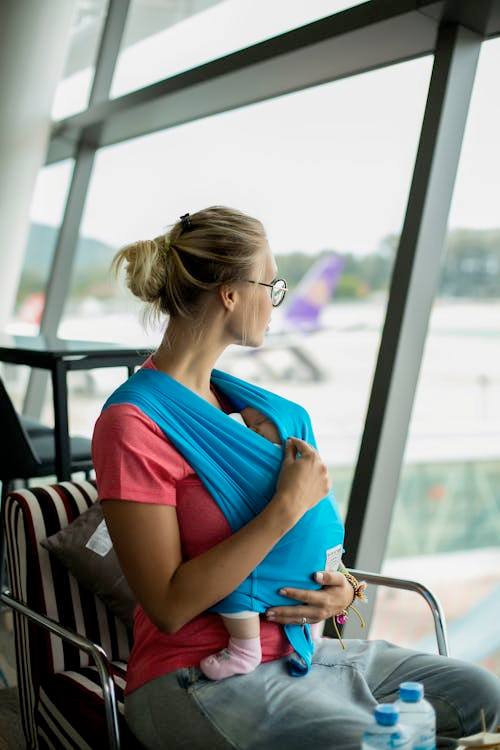
- Baby Wearing: A soft carrier or wrap can be a lifesaver. It keeps your hands free for documents and luggage while keeping the baby snug and secure.
- Ask for Help: Don't be afraid to ask flight attendants for assistance with warming a bottle or finding a place to dispose of a diaper.
- Sanitize Everything: Airplane trays and armrests are notoriously germy. Keep a pack of antibacterial wipes in your bag to give your seating area a quick once-over.
Can You Take a Stroller on a Plane? Airline Policies Explained
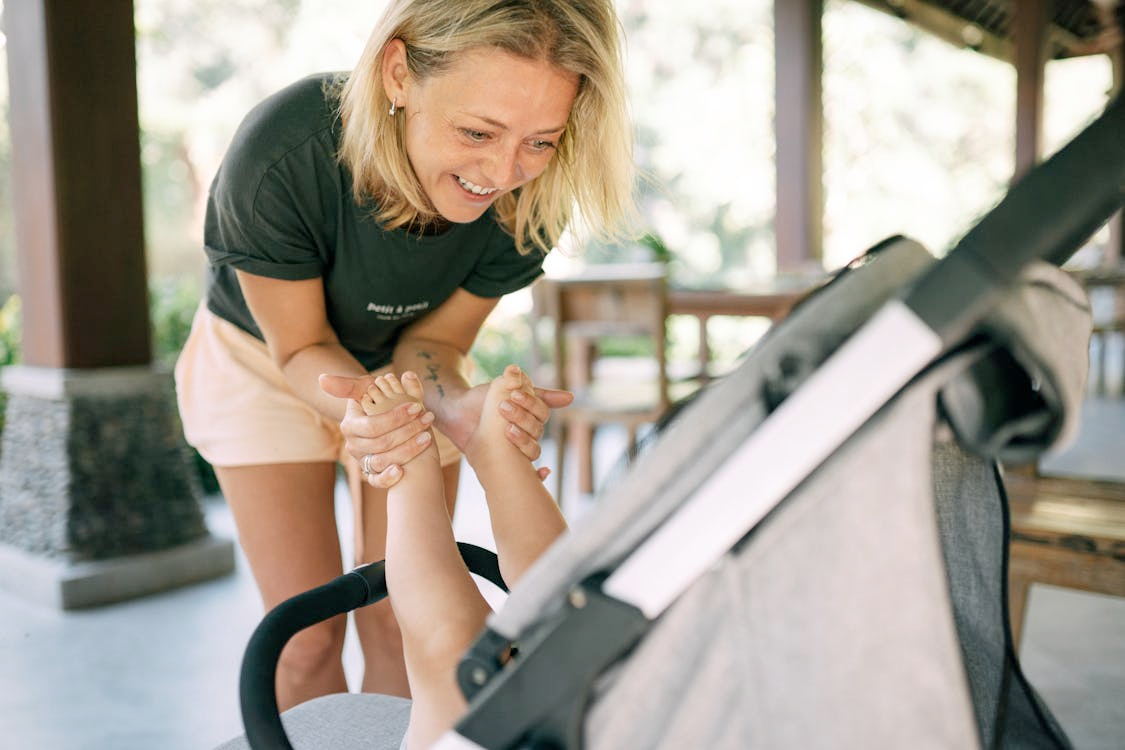
One of the most frequent questions parents ask is: Can you take a stroller on a plane? The short answer is yes, but the method depends on the size of your gear. Most major airlines allow you to check a stroller and a car seat for free, either at the ticket counter or at the gate. This is a huge help as it doesn't count toward your standard baggage allowance.
If you have a compact, "cabin-approved" stroller that folds down to the size of a suitcase, you might even be able to store it in the overhead bin. When wondering if you can take a stroller on a plane, always check your specific airline's dimensions on their website a few days before you fly to avoid surprises at the gate.
- Standard Strollers: These are usually gate-checked. You get a tag at the podium, leave the stroller at the plane door, and pick it up right there upon arrival.
- Double Strollers: Some airlines have weight or width limits for gate-checking double strollers. If yours is very large, you may be required to check it with regular luggage.
- Travel Bags: Investing in a padded travel bag for your stroller can help prevent scratches or broken wheels during baggage handling.
- Car Seat Compatibility: If you are using a car seat on the plane, ensure it is FAA-approved for aircraft use. This will be noted on a sticker on the seat.
- Lightweight Alternatives: For city travel, many parents prefer a cheap "umbrella stroller" that is easy to fold and less devastating if it gets damaged in transit.
Understanding TSA Liquid Rules for Baby Items
Security can be a major hurdle due to the strict rules regarding liquids. However, the TSA liquid rules are actually quite flexible when it comes to babies. Formulas, breast milk, toddler drinks, and baby food are considered "medically necessary liquids." This means they can exceed the standard 3.4-ounce limit and do not need to fit in a single quart-sized bag.
To navigate the TSA liquid rules smoothly, inform the officer at the beginning of the screening process that you are carrying these items. Be prepared for them to be screened separately, which might involve opening the containers or a quick exterior swab.
- Separate Bin: Place all your bottles, milk, and food jars in a separate bin to speed up the inspection for everyone.
- Ice Packs: You are allowed to carry ice packs or gel packs to keep milk cool, but they should be frozen solid when you go through security.
- Powdered Formula: While powder is easier to clear than liquid, TSA may still inspect large containers of powdered formula.
- Water for Bottles: You are allowed to bring bottled water specifically for the baby's formula, but it must go through the same screening process.
- Juice and Pouches: Baby food pouches and juices for infants and toddlers are also exempt from the standard liquid restrictions.
Packing a Toddler Backpack for Stress-Free Travel
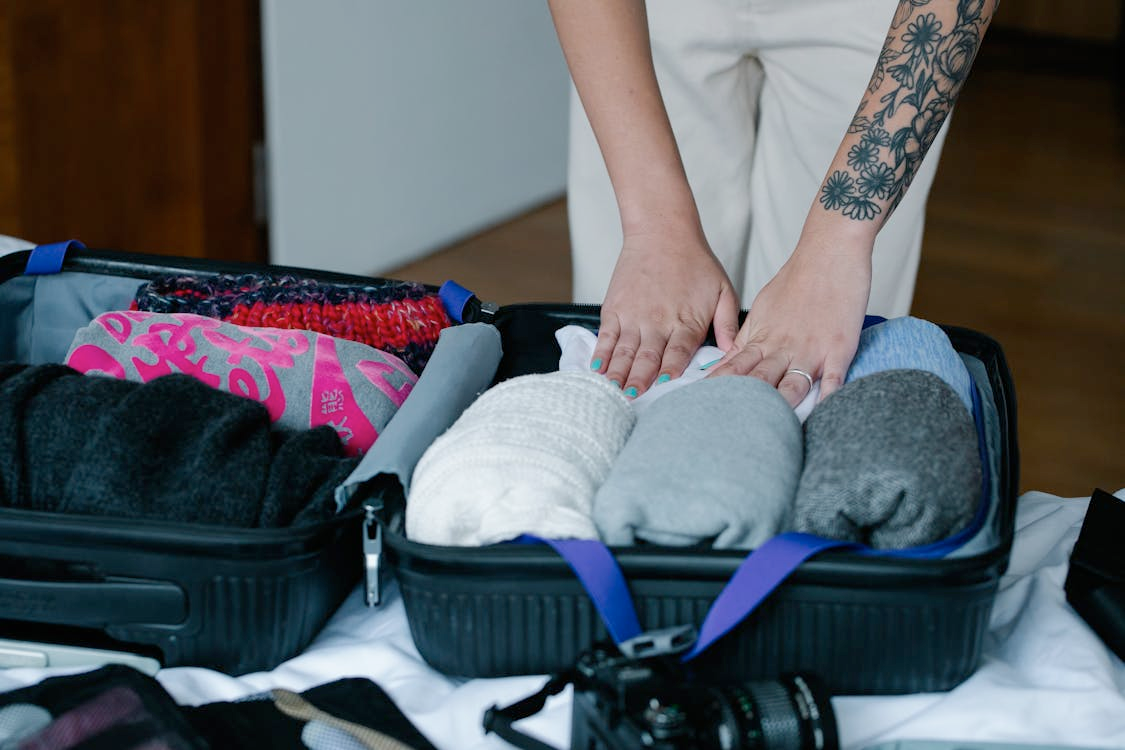
As your baby grows into a toddler, their needs change. Transitioning to a toddler backpack lets you separate their essential entertainment from your heavy diaper bag. Giving a child their own small bag can also make them feel involved in the journey, which often leads to better behavior.
A good toddler backpack should be lightweight and have a chest strap to keep it from slipping off their shoulders. Inside, you should pack items that can keep them busy for long periods without making a mess. This is where you store the "emergency" baby essentials that you might need to grab in a hurry.
- No-Mess Coloring: Water-reveal pads or magnetic drawing boards are perfect for airplanes because they don't involve ink or markers.
- Quiet Snacks: Pack a variety of snacks, such as dry cereal, crackers, or fruit pouches. Eating can also help with ear pressure during altitude changes.
- Stickers: A simple sheet of stickers and a piece of paper can provide 30 minutes of focused entertainment for a toddler.
- Change of Clothes: Even for older toddlers, accidents happen. Always keep a spare outfit and a plastic bag for wet clothes inside the toddler backpack.
- Comfort Item: Whether it's a small stuffed animal or a favorite blanket, having a piece of home can help a child feel safe in a strange environment.
- Headphones: If your toddler is old enough for screen time, child-sized headphones are a must so they can watch movies without disturbing other passengers.
Traveling with a little one is undoubtedly a challenge, but it is also an opportunity to create wonderful memories. By mastering the TSA liquid rules, understanding how to handle your stroller, and packing a smart toddler backpack, you are setting yourself up for success. Remember that most people around you are sympathetic - they have either been there themselves or want to see you succeed.
Focus on the destination, stay patient, and keep your baby essentials within arm's reach. Every flight gets easier as you learn what works best for your family.
Ashley Pugh ;
Ashley Pugh is one of the Co-Founders of Familydaysout.com and has been committed to writing family related content since 2008. There isn't much about family attractions that Ashley doesn't know, after visiting hundreds of them worldwide over the last 20 years.
Leave a comment