



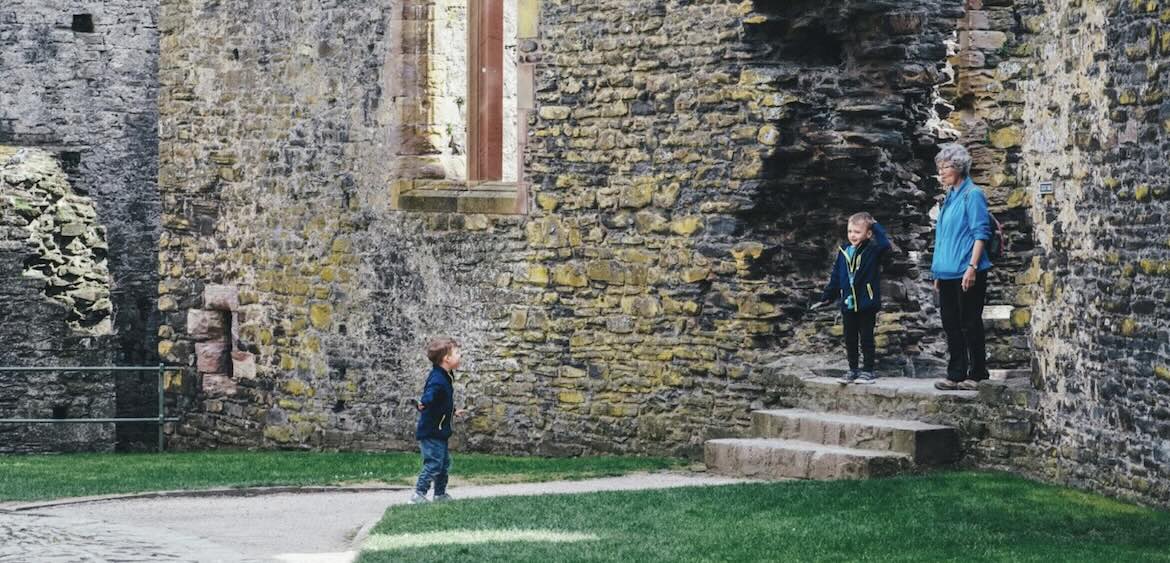







That is where the small choices come in. Comfortable shoes, a little awareness, and a plan with some breathing room can change the whole tone of the day. These details are easy to overlook when everyone is excited to leave the house, but they often shape the experience just as much as the destination.
Different Places, Different Considerations
Every outing has its own rhythm, and noticing that early makes things easier. What works at a neighborhood playground will not always work at a theme park or a busy indoor play space.
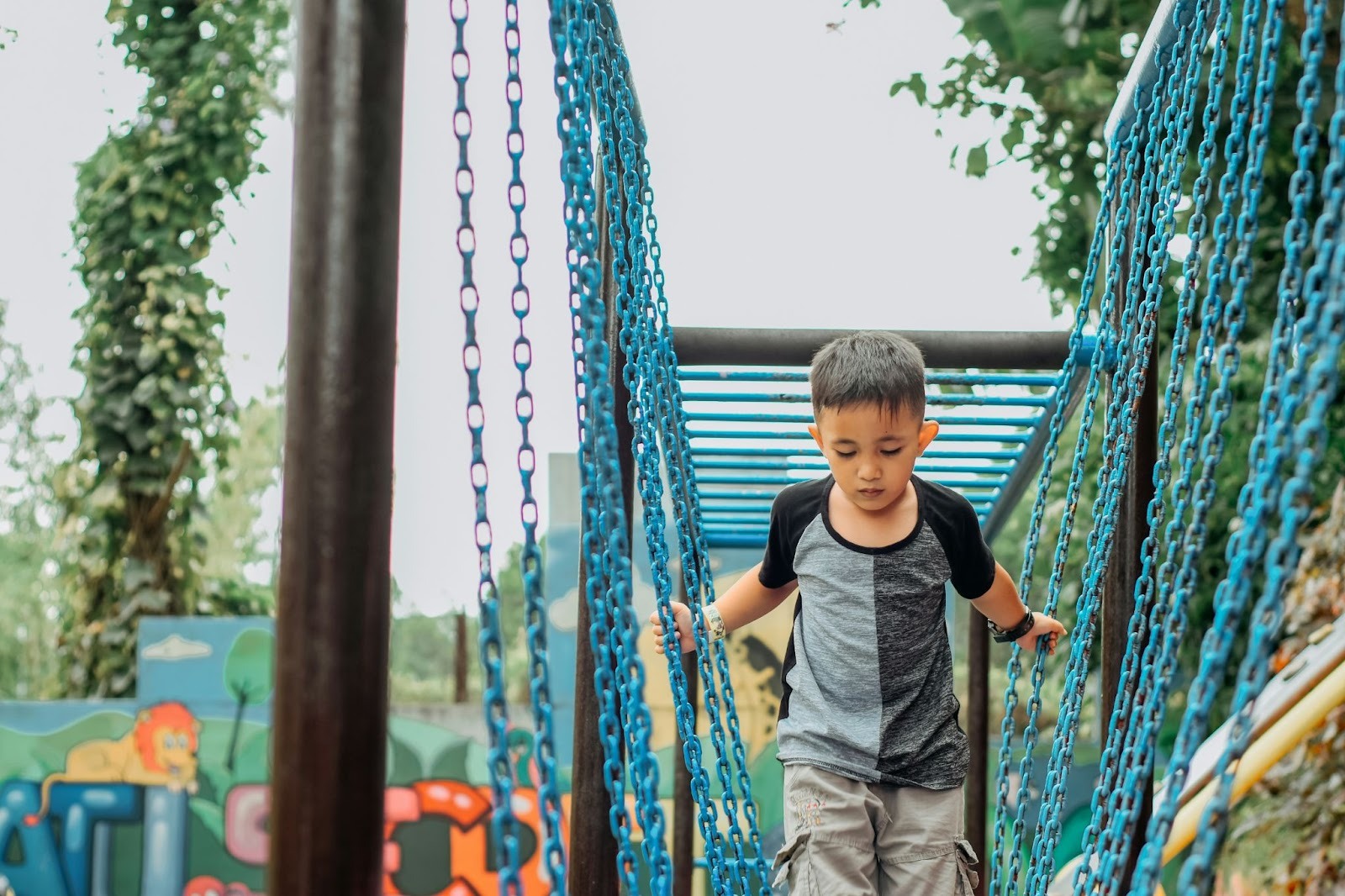
At playgrounds, kids are in constant motion. They run, climb, jump, and switch direction without warning. That makes surfaces worth noticing, especially after rain or in areas that get heavy use. Grass, rubber, sand, and pavement all feel different underfoot, and kids respond to those differences instinctively.
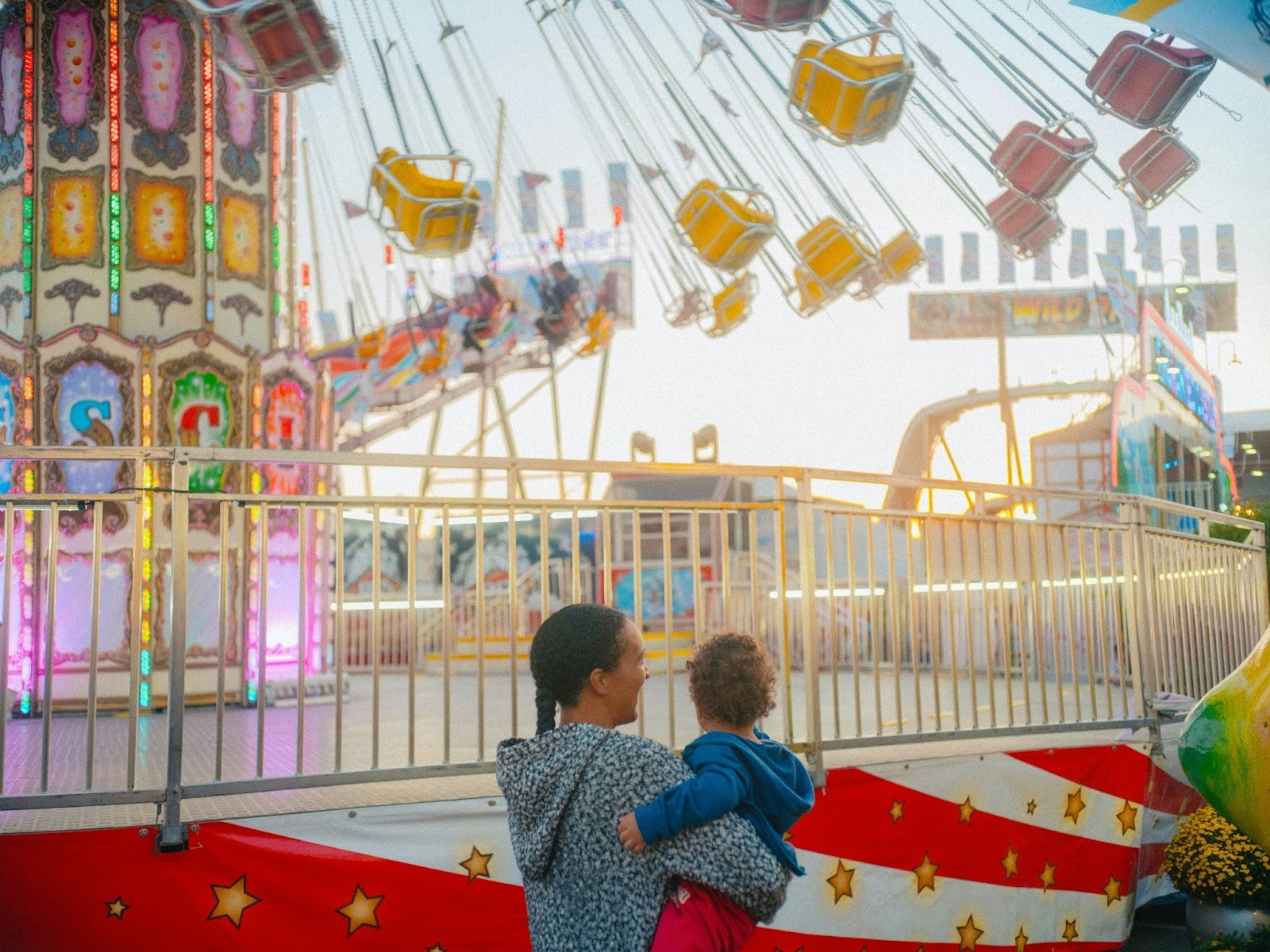
Theme parks bring a different set of challenges. There is usually more walking, more waiting, and more stimulation than parents expect at first. Excitement carries everyone along for a while, then tired legs, heat, and long lines start catching up.
Indoor attractions can seem simpler because they are enclosed and often climate-controlled, but they come with their own patterns. Entrances, food areas, shared play zones, and hallways can fill up quickly. Lighting and flooring may shift from one area to the next, which changes how the space feels as the day unfolds.
Taking a moment to read the environment helps set expectations. It also gives you a better shot at adjusting before little frustrations start piling up.
(Source)
The Small Details Parents Often Overlook
A smooth day often comes down to small things that barely seem important when you are getting ready.
Shoes are a perfect example. Kids may be set on wearing their favorite pair, but after hours of walking, climbing, and running, comfort and grip matter far more than style. The same goes for adults. When everyone feels comfortable, patience lasts longer and the day feels lighter.
Weather deserves a little more attention than it usually gets. Light rain can quickly change surfaces, especially around entrances, queue lines, and other busy areas. Heat can wear children down earlier than expected and turn small annoyances into bigger meltdowns. Packing water, wipes, and an extra layer does not take much, but it can save a lot of stress later.
Timing can make just as much of a difference. Arriving a little earlier or waiting until the first rush has passed can completely change the feel of an outing. There is more room to move, fewer bottlenecks, and less pressure from the start.
None of these choices are complicated. They just make the day easier to manage.

(Source)
Staying Aware in Busy Spaces
Crowded family spaces can change quickly. A place that feels calm in the morning can be loud, packed, and fast-moving by midday. That shift is normal, but spotting it early helps keep things from feeling chaotic.
Entrances, shared walkways, and queue areas usually need the most attention. People stop suddenly, change direction without warning, and bunch up in odd places. Children are often focused on what lies ahead rather than what is happening around them, so a simple reminder to stay close or slow down can go a long way.
Surfaces can change during the day as well. Spilled drinks, tracked-in rain, and worn patches in busy zones can make familiar-looking spaces feel less predictable. That happens most often where people gather, pause, and move through quickly.
In places like that, a split second of distraction or a slick patch underfoot can be enough to send someone stumbling, and knowing where to get help after a fall injury can make the moment feel far less overwhelming.
Keeping younger children nearby during those busier stretches helps everything feel more manageable. A little extra awareness can prevent the kind of stress that throws off the rest of the day.
When Things Don’t Go Exactly to Plan
Even well-planned outings have off moments. Kids move fast, adults get distracted, and environments can change without much warning. A missed step or a slippery spot can turn into a minor fall before anyone has time to react.
What helps most is staying calm. Checking for injuries, helping a child settle, and moving to a quieter spot if needed can make a stressful moment feel manageable again. Most incidents are minor, but the response often sets the tone for what happens next.
It also helps to have a basic sense of what to do in the moment. Looking through everyday child safety guidance for parents before a trip can make it easier to respond with a clear head when something unexpected happens.
Once everyone has had a moment to regroup, practical things matter. Knowing where staff are, spotting a first aid station, or finding a bench away from the crowd can make a real difference.
These moments are part of real family outings. They do not have to ruin the day, especially when everyone feels supported and settled again.
Choosing Places That Make the Day Easier
Some venues simply make family outings feel easier from the moment you arrive. It is not always about having the biggest attraction or the longest list of activities. Often, it comes down to layout, upkeep, and how easy the space is to move through with children.
Clear walkways help right away. When a space feels open and easy to follow, parents spend less time steering around bottlenecks and more time enjoying where they are. It is also much easier to keep an eye on kids when you are not constantly adjusting your path.
Well-kept surfaces matter just as much. Clean, maintained spaces tend to feel more predictable, especially in busy areas like entrances, queue lines, and dining spaces. Most people do not notice these details when everything is running smoothly, but they do notice when those basics are missing.
Visible staff can also change the feel of a place. It is reassuring to know someone is nearby if you need directions, help, or a quick answer. In larger attractions, that small sense of support takes the edge off.
Parents do not need to spend hours researching every outing. A quick look at recent reviews and photos often tells you a lot about what kind of experience to expect.
(Source)
Keeping the Day Enjoyable and Flexible
Even with a solid plan, the best family outings usually leave room for small changes. Kids do not always follow the schedule adults picture, and that is part of the fun as much as the challenge.
Pacing makes a real difference. A break for snacks, a few quiet minutes, or time to slow down can reset the mood before tiredness turns into frustration. Sometimes the smartest choice is simply not rushing to the next thing.
Being willing to change course helps as well. If one area feels too crowded or a queue is much longer than expected, shifting gears can keep the day moving without adding stress. Letting kids spend more time where they are happiest is often better than trying to squeeze everything in.
A little inspiration before your next outing can help. Browsing stress-free family travel tips for smoother outings can spark ideas that keep the day comfortable without making it feel overplanned.
In the end, the easiest days out are rarely the most rigid. They are the ones with enough structure to keep things on track and enough flexibility to let the day unfold naturally.
Conclusion
A good day out with kids rarely comes down to one big decision. More often, it is shaped by a series of small choices that make everything feel calmer, smoother, and easier to enjoy.
Paying attention to the environment, staying aware as conditions shift, and giving yourself room to adjust can make a real difference. When those pieces fall into place, the focus stays where it should be: enjoying the time together.
(Source)




Ashley Pugh ;
Ashley Pugh is one of the Co-Founders of Familydaysout.com and has been committed to writing family related content since 2008. There isn't much about family attractions that Ashley doesn't know, after visiting hundreds of them worldwide over the last 20 years.
Leave a comment