



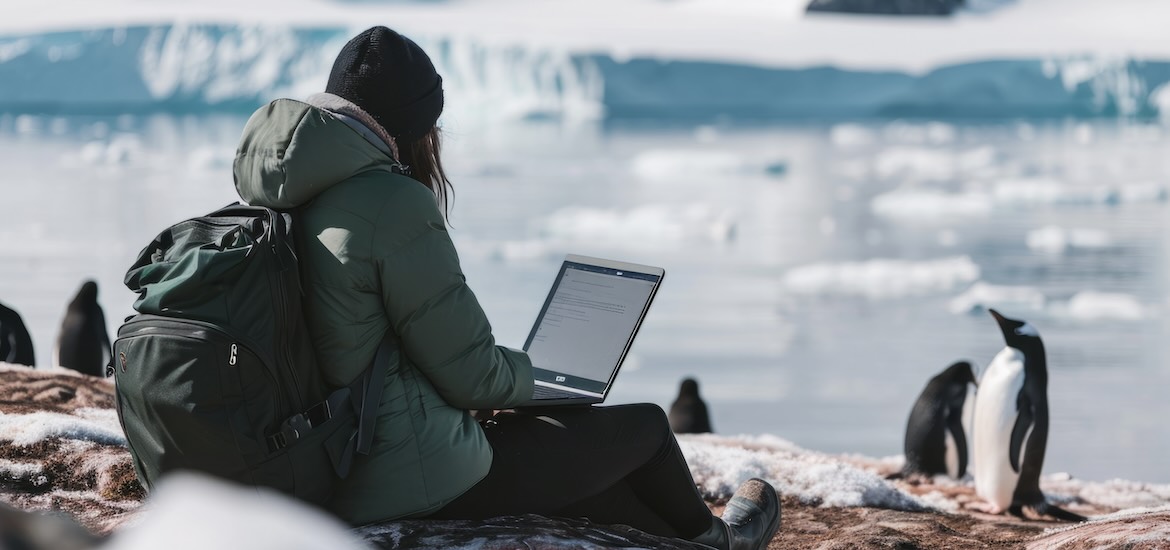







Antarctica represents the ultimate frontier for adventure travelers seeking pristine wilderness and extraordinary wildlife encounters. Each austral summer, thousands of visitors journey to the world's most remote continent aboard specialized expedition vessels designed to navigate polar waters while minimizing environmental impact. The choice of expedition operator and vessel type significantly influences the quality of wildlife viewing opportunities, shore access, and overall experience in this protected wilderness.
What Makes Antarctic Expeditions Unique
Modern antarctic expeditions combine the spirit of discovery with educational enrichment, offering travelers unprecedented access to penguin rookeries, research stations, and glaciated landscapes. Unlike conventional cruise ships carrying thousands of passengers, expedition vessels typically accommodate fewer than 200 guests, with some operators limiting capacity to around 114 passengers.
Small ship expeditions offer distinct advantages for Antarctic exploration. Vessels with limited passenger capacity eliminate group rotations during landings, allowing more time ashore at each site. These ships can navigate narrow channels like the Lemaire Channel and approach closer to wildlife viewing areas while maintaining conservation protocols. Most expeditions deploy fleets of Zodiac boats for multiple daily landings and close approaches to icebergs and penguin colonies.
The expedition model prioritizes flexibility over rigid schedules. Weather conditions and ice formations change rapidly in polar regions, requiring real-time itinerary adaptations. This often results in unexpected wildlife encounters or access to rarely visited sites that larger vessels cannot reach.
Wildlife Encounters on the Antarctic Peninsula
The Antarctic Peninsula and surrounding islands harbor extraordinary wildlife concentrations, particularly during the November through March breeding season when nutrient-rich waters support vast populations of marine species. The Antarctic Circumpolar Current drives upwelling that brings krill to surface waters, creating a food web that sustains everything from tiny seabirds to massive whales.
Key Wildlife Viewing Opportunities:
- Penguin colonies - The South Shetland Islands and Antarctic Peninsula host bustling rookeries where gentoo, chinstrap, and adélie penguins nest in groups numbering tens of thousands. Visitors can observe courtship rituals, egg incubation, and the endearing awkwardness of penguin chicks learning to navigate their environment.
- Marine mammals - Weddell, crabeater, and leopard seals rest on ice floes throughout the region, while humpback and killer whales patrol krill-rich channels. Patient observers may witness dramatic predation events or the synchronized feeding behaviors of whale pods.
- Seabird diversity - Giant petrels, Antarctic terns, skuas, and various albatross species soar above expedition vessels, following ships across the Drake Passage and diving for food stirred up by vessels moving through polar waters.
- Seasonal timing - Early season voyages in November and December offer opportunities to observe courtship behaviors and pristine snow conditions, while February and March feature penguin chicks fledging and more abundant whale sightings as animals feed before winter.
Research conducted by organizations including the British Antarctic Survey has documented how penguin species respond differently to environmental changes, with some populations declining while others like gentoo penguins expand their range northward. These shifts underscore the importance of long-term monitoring programs that expedition passengers sometimes support through citizen science projects.
Choosing the Right Expedition Experience
Selecting an appropriate Antarctic expedition requires evaluating several factors beyond cost. The expedition team quality, vessel capabilities, itinerary depth, and environmental commitment all contribute to the overall experience.

Vessel Size and Landing Capabilities
Ship size directly impacts the Antarctic experience. Regulations limit the number of people ashore simultaneously at any location. Vessels carrying more than 200 passengers face significant restrictions, with some unable to make landings at all. Ships in the 100-150 passenger range offer the best balance between intimate experiences and onboard amenities.
Essential Selection Criteria:
- Ice classification - Vessels should have ice-strengthened hulls rated for polar navigation, with stabilizers to reduce motion during Drake Passage crossings. Ships like the 114-passenger Sea Spirit combine ice capability with comfortable accommodations.
- Expedition staff - Leading operators employ specialized guides including ornithologists, marine mammal experts, geologists, and historians who enhance understanding through shore excursions and onboard programs.
- Activity options - Beyond standard Zodiac cruising and landings, expeditions offer optional activities including sea kayaking, camping on ice, mountaineering, and photography workshops.
- IAATO membership - Reputable operators follow strict guidelines protecting Antarctic wildlife and ecosystems, governing approach distances, group sizes, and waste management.
The Antarctic Treaty System establishes Antarctica as a natural reserve devoted to peace and science. Tourism activities require permits and must demonstrate minimal environmental impact. According to Antarctic Treaty guidelines, expedition operators must conduct environmental impact assessments and maintain comprehensive safety protocols.
Most Antarctic expeditions depart from Ushuaia, Argentina, gateway to the Drake Passage. The two-day crossing typically encounters moderate seas, though conditions range from calm to challenging. Modern expedition vessels with stabilizing technology navigate these waters routinely.

Preparing for Your Antarctic Journey
Success in Antarctica requires thoughtful preparation spanning physical readiness, appropriate gear, and realistic expectations about weather variability. Expedition vessels provide significant comfort, but visitors should anticipate changing conditions and wildlife viewing that depends on animal behavior rather than schedules.
Essential Preparation Steps:
- Physical fitness - Shore landings involve navigating from Zodiac boats onto beaches, then hiking across uneven terrain. Moderate fitness levels suffice for standard expeditions, though kayaking or mountaineering require additional capabilities.
- Travel insurance - Polar expedition insurance must include medical evacuation coverage of at least $200,000, as advanced medical facilities may be thousands of miles away.
- Clothing layers - Most operators provide waterproof parkas, but travelers need base layers, insulating mid-layers, waterproof pants, and quality boots with good traction for shore excursions.
- Camera protection - Antarctic conditions challenge photography gear through moisture and cold. Bring weatherproof cases, extra batteries, and polarizing filters.
The optimal travel window extends from November through March. December and January provide longest daylight and active penguin colonies, while February and March feature better whale watching and dramatic light for photography. Advance booking secures better cabin selection and early reservation discounts.
Visitors who experience these remarkable landscapes return home as conservation ambassadors, inspired by encounters with curious penguins, calving glaciers, and the overwhelming silence of the world's last great wilderness.


Ashley Pugh ;
Ashley Pugh is one of the Co-Founders of Familydaysout.com and has been committed to writing family related content since 2008. There isn't much about family attractions that Ashley doesn't know, after visiting hundreds of them worldwide over the last 20 years.
Leave a comment