










Nature journaling works because it combines three things kids love: exploring, collecting, and making something. You don't need art skills. You don't need expensive supplies. You just need paper, pencils, and something to paint with.
This plan works at any park, trail, botanical garden, or outdoor space. It keeps kids ages 3–12 engaged for about an hour. The whole setup fits in a small bag.
What Is Nature Journaling?
Nature journaling is simple. Kids draw, paint, or write about what they see outdoors.
It works because it gives them small missions. Find a leaf. Draw its shape. Paint two greens. Write one word about it.
These small tasks keep kids focused. They start noticing details they'd normally miss. A crack in tree bark. Different shades of green. How petals curve.
The goal isn't perfect art. It's about looking closely and having something to show for the day. Kids as young as 3 can scribble colors. Older kids can add details, labels, or stories.
If you're looking for more park activities for kids, nature journaling is one of the easiest to repeat.
Pack List (Keep It Light)
You need six core items:
- Small sketchbook or paper (A5 size works well)
- Pencil (regular #2 is fine)
- Eraser (small one)
- Water brush or small brush (water brush is less messy)
- Small watercolor palette (8–12 colors)
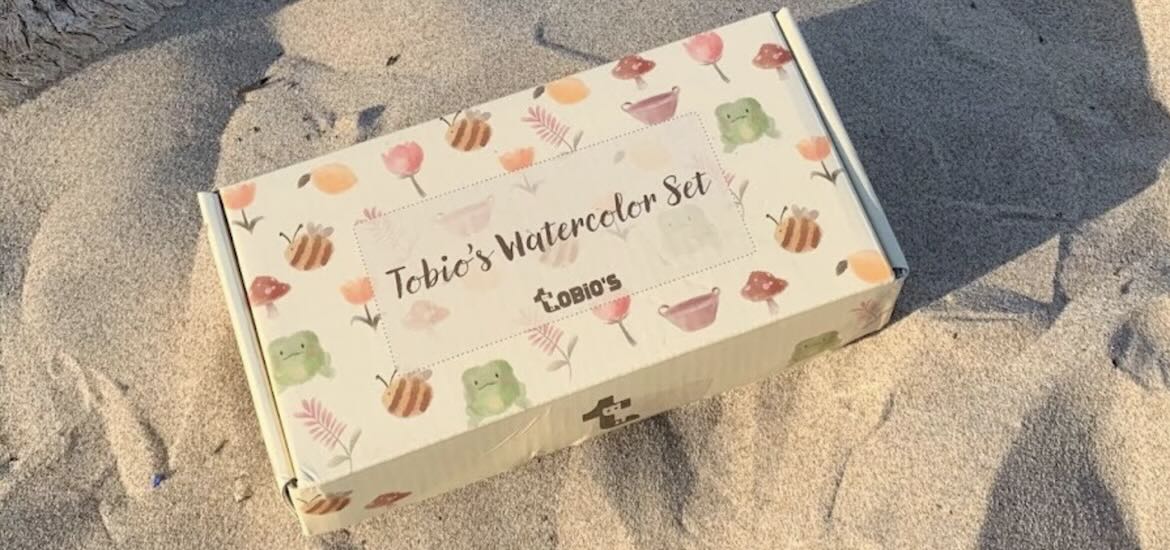
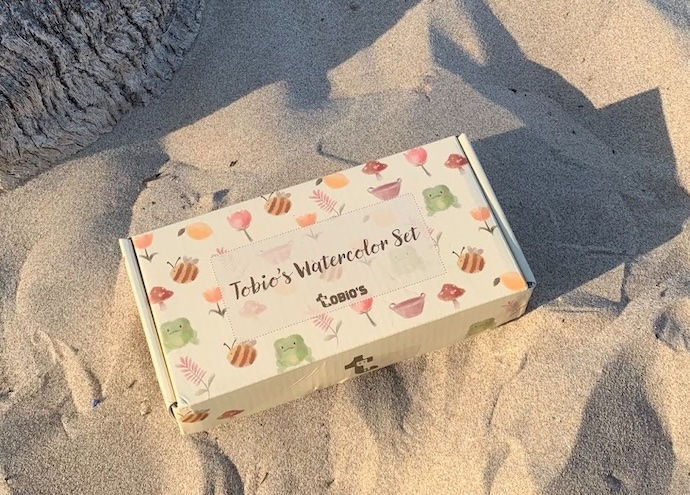
If you want a compact watercolor setup that's easy to throw in a day bag, here's an example: https://tobioskits.com/.
- Small water cup or bottle (fold-flat cups save space)
- Paper towel or cloth (for wiping brushes)
- Clip or small board (keeps paper from blowing away)
Skip these:
- Big paint sets with 24+ colors
- Glitter, glue, or anything that leaks
Tiny tips:
- Use a zip bag for wet brushes and palettes.
- Bring one spare sheet of paper in case of spills.
The 60-Minute Plan
This is the core structure. Adjust time based on your kids' ages.
0–10 Minutes: Quick Scavenger Prompts
- Walk for 5 minutes. Point out textures, colors, shapes.
- Ask: "Find something rough. Find something smooth. Find two different greens."
- Let them collect small items (leaves, petals, twigs) to sketch later.
- Sit down at a bench or flat spot.
10–25 Minutes: Sketch Prompts (by Age)
Ages 3–5:
- Trace around a leaf with a pencil.
- Draw simple shapes (circle for a flower, lines for grass).
- Scribble colors they see.
Ages 6–9:
- Draw one leaf, focusing on the outline.
- Sketch a flower or rock (simple shapes, no details yet).
- Draw three things they found (leaf, twig, petal).
Ages 10–12:
- Draw one object with more detail (veins in a leaf, texture on bark).
- Sketch a small scene (tree, bench, path).
- Add light shading with pencil.
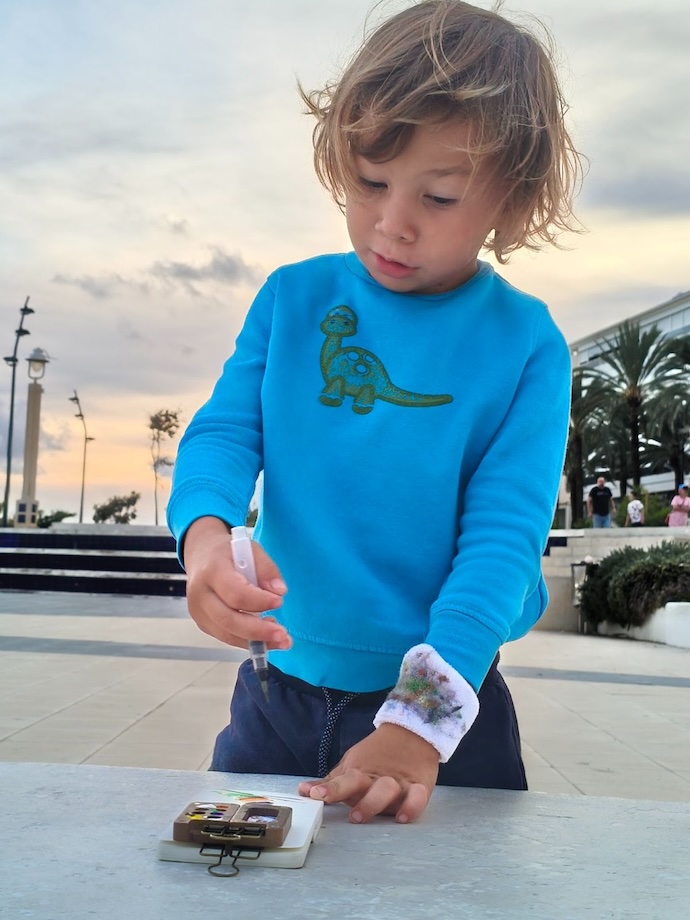
25–45 Minutes: Paint (Big Shapes Only)
- Wet the brush. Pick one or two colors.
- Paint the big shapes first. Don't worry about edges.
- For younger kids: paint blobs of color (green for grass, blue for sky).
- For older kids: fill in the sketched shapes with color.
- Use the paper towel to dab excess water.
45–60 Minutes: Add 1–2 Details + Write a Caption
- Add one small detail with pencil or paint (a line for a vein, a dot for a center).
- Write one sentence: "I saw this leaf at the park" or "This flower was yellow."
- Younger kids can dictate while you write.
- Let the page dry while you pack up.
FAQs
All the questions you need to ask , answered.
Use a clip or small board to hold the paper down. Sit with your back to the wind. Skip watercolor and use pencils only.
Use crayons, colored pencils, or markers. You can even skip color entirely and just sketch with a pencil.
Let them write instead. List 5 things they see. Describe one thing in detail. Glue a leaf to the page and label it.
Give them one big crayon and one sheet of paper. Let them scribble colors. That's enough.
Start with 20–30 minutes. If they want more, keep going. If they're done, pack up. There's no rule.
Yes. Sit by a window with a plant, or bring outdoor items inside to sketch.
Easy Prompts (Pick 5)
Copy these for quick reference:
- Draw 3 leaf shapes – different sizes, any detail level
- Paint 2 greens – find two shades, paint swatches
- Find 1 texture – bark, stone, or fence; sketch the pattern
- Draw something tiny – a pebble, seed, or small flower
- Paint a simple background wash – sky blue, grass green, or dirt brown
Pick one or two per session. Don't try all five at once.
Keep prompts simple. The goal is "I did something" not "I made a masterpiece."
Keep It Mess-Free
Use these tips to avoid chaos:
- Sit at a bench or table. Ground sketching leads to tipped water.
- Limit colors. Pick 2–4 colors max per session.
- Use a water brush if possible. Less spillage than a cup.
- Towel rule: Kids wipe the brush before switching colors.
- Pack wet supplies in a zip bag before walking back.
If a spill happens, it's just water and paint. Use the towel, move to a clean spot, keep going.
If Your Kid Won't Sit Still
Try these alternatives:
- 2-minute sketch, then switch spots. Walk 20 steps, sketch again.
- Parent sketches, kid paints. You draw the outline, they add color.
- Standing sketch. Find a tree or rock. Stand and draw for 5 minutes.
- Photo first, paint later. Take a photo at the park, paint it at home or in the car.
- Color hunt. Spot colors outdoors ("I see 3 greens, 1 yellow"). Paint those colors as swatches.
Not every kid will sit for 60 minutes. That's fine. Even 15 minutes counts.
Quick Recap
- Pack light: paper, pencil, brush, small palette.
- Follow the 60-minute plan: scavenger hunt, sketch, paint, add details.
- Use simple prompts (3 leaves, 2 greens, 1 texture).
- Keep it mess-free: bench, towel, limited colors.
- If kids won't sit, try 2-minute sketches or standing drawings.
Conclusion
Nature journaling doesn't need to be perfect. Start with one park visit. Bring paper and a pencil. Let kids draw one thing.
The point is noticing. The point is having fun. If they fill one page, that's a win.
Try it once. See what happens. You might build a collection of family travel memories without realizing it.



Ashley Pugh ;
Ashley Pugh is one of the Co-Founders of Familydaysout.com and has been committed to writing family related content since 2008. There isn't much about family attractions that Ashley doesn't know, after visiting hundreds of them worldwide over the last 20 years.
Leave a comment