



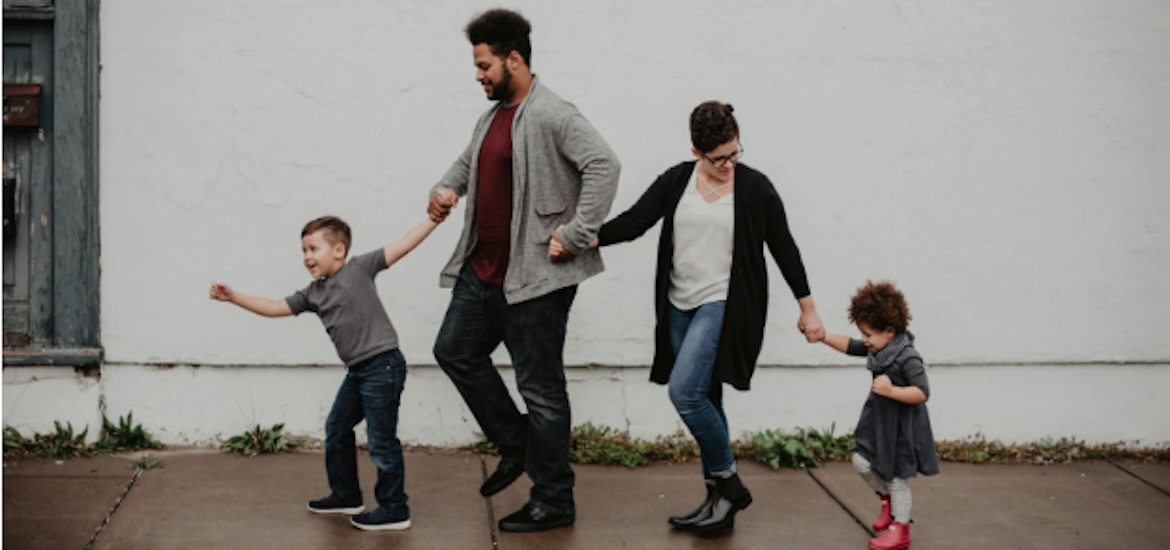







You're not alone. Families across the state are feeling the pressure, trying to juggle everything while still wanting something deeper: a home that feels like a safe haven, not just a crash pad between appointments. More than ever, parents are craving connection, support, and a slower, more intentional rhythm at home.
So how are Virginia families actually making that happen? Let’s dig into the real ways people are reshaping home life to find their footing in a world that never hits pause.
The Modern Reality for Virginia Families
Let’s be real: it’s a lot.
Many families in Virginia are navigating two working parents, long commutes (hello, Northern Virginia traffic), and kids whose schedules look busier than a CEO's. Add rising living costs, the pressure to "do it all," and the constant buzz of screens, and it’s no wonder parents feel like they’re barely keeping up.
According to recent studies, American parents spend more time with their kids now than they did decades ago—but they’re also more stressed, more tired, and more stretched thin. That paradox hits hard.
Still, there’s a shift happening. More families are asking, "How can we make home feel less like a battleground and more like a support system?"
So What Does a "Supportive" Home Look Like Today?

Supportive doesn't mean perfect. It doesn't mean spotless floors or home-cooked meals every night. It means a place where everyone feels seen, safe, and part of something.
It’s about emotional support: having space to talk, vent, or cry without judgment. It’s about practical support too—like having help with the daily grind. And more families are even expanding that idea to include cultural or community connection.
Take the Nguyen family in Richmond. Both parents work full-time, and with three kids under 10, their house used to feel like constant chaos. Now, they carve out tech-free time each night, cook simple meals together, and lean on help from extended family. "We just had to stop trying to be perfect parents and focus on being present ones," they said.
That mindset shift is powerful. And it’s catching on.
The Real-Life Strategies That Make a Difference
So what are Virginia families actually doing to make their homes feel more supportive? Here are a few approaches that are working in real life—not just on Pinterest.
1. Reclaiming Time at Home

Time is the one thing no one seems to have enough of. But families are getting creative about reclaiming it.
Some are setting "no-phone zones" around the dinner table. Others are saying no to back-to-back weekend plans in favor of slow mornings or outdoor walks.
"We started blocking out one night a week where we don’t do anything,” says a mom in Charlottesville. "No sports, no meetings. We just exist together. It’s weird at first, but now it’s our favorite night."
That kind of presence can transform the emotional tone of a home.
2. Sharing the Load
Here’s the truth: no one can do it all alone. And more Virginia families are finally admitting it.
Some are leaning more on grandparents, siblings, or neighbors. Others are hiring help when they can—even if it means cutting back elsewhere. For some, that support looks like bringing in a live-in helper, like an au pair, to provide childcare and add a cultural exchange element to the home.
In fact, families who choose to host an au pair in Virginia often find that it goes beyond just having another set of hands. It's about sharing everyday life with someone from a different culture, building meaningful bonds, and creating a more connected environment for everyone in the home.
It’s not about outsourcing parenting. It’s about creating breathing room so you can actually enjoy being a parent.
3. Designing Spaces That Encourage Connection
You don’t need a massive house or a fancy renovation. It’s more about how your space works for your family.
Families are turning unused corners into cozy reading spots. Turning kitchens into conversation hubs. Letting kids help decorate shared areas so they feel ownership and pride.
Even small tweaks—like a big comfy chair where kids can curl up with a parent, or a table big enough for everyone to eat at once—can make a big impact.
4. Embracing Cultural Openness at Home

In a state as diverse as Virginia, families are finding creative ways to bring the world into their homes.
Some share meals from different countries, celebrate international holidays, or incorporate books and stories from other cultures. Others are choosing to welcome international students or au pairs into their households, creating a daily cultural exchange that benefits both sides.
The result? Kids grow up more open-minded. Parents gain a fresh perspective. And the home becomes a hub of learning and connection.
What Makes Virginia Different?
Every state has its own rhythm, and Virginia’s is a unique blend of tradition and progress.
In places like Arlington and Fairfax, families are juggling high-powered careers and modern demands. In quieter towns like Staunton or Blacksburg, the pace might be slower, but the values are just as strong. What unites families across the state is the desire to build something lasting at home—something deeper than daily logistics.
There’s also a strong sense of pride in place. Whether its weekend hikes in the Blue Ridge, Sunday suppers with extended family, or attending cultural festivals in Norfolk, Virginia families often root their home life in community and connection.
That foundation helps. But it’s the small, intentional choices that really transform how a home feels.
You Don’t Have to Do It Alone
If there’s one message to take away, it’s this: supportive homes don’t happen by accident. They’re built on choices—messy, imperfect, everyday choices.
You don’t need a new house. You don’t need more hours in the day. You just need a willingness to slow down, reach out, and rethink what support really means for your family.
And you don’t have to do it alone.
Whether it’s getting help from loved ones, creating new rhythms at home, or even welcoming someone new into your household to lend a hand, there are more options than ever for building a home that truly works for you.
Virginia families are figuring it out, one step at a time.
And you can too.



Ashley Pugh ;
Ashley Pugh is one of the Co-Founders of Familydaysout.com and has been committed to writing family related content since 2008. There isn't much about family attractions that Ashley doesn't know, after visiting hundreds of them worldwide over the last 20 years.
Leave a comment