











Online tools, including essaymarket, may assist, but the strongest help lives at home. By pulling together, a household can build sturdy habits, set clear aims, and quiet nerves. This guide shares plain, useful steps any family can apply, from creating a study corner to praising small wins. These ideas rely on care rather than money, and they suit many ages. Families who use these tips can raise grades now and grow lasting skills. The parts below share the best home study methods any family can start today.
Create a Calm Study Space
A peaceful spot helps attention hold, and families can set one up with ease. Choose a place away from the TV, doorways, and loud paths. Place a firm chair and a flat desk; an old table works with good light. Keep the area clean and clear to cue the mind for focused work. Store pencils, paper, and cards in a small bin to reduce breaks. Hang a wall calendar or whiteboard so dates and tasks stay visible. Allow the student to add a photo or short note to boost ownership. That simple touch builds pride and steady drive to return each day. Agree on a daily quiet block that the whole home respects. During that time, phones stay silent and siblings choose soft pastimes. When everyone protects the zone, the learner feels supported and can build strong study habits for exams.
Set Up a Realistic Study Schedule
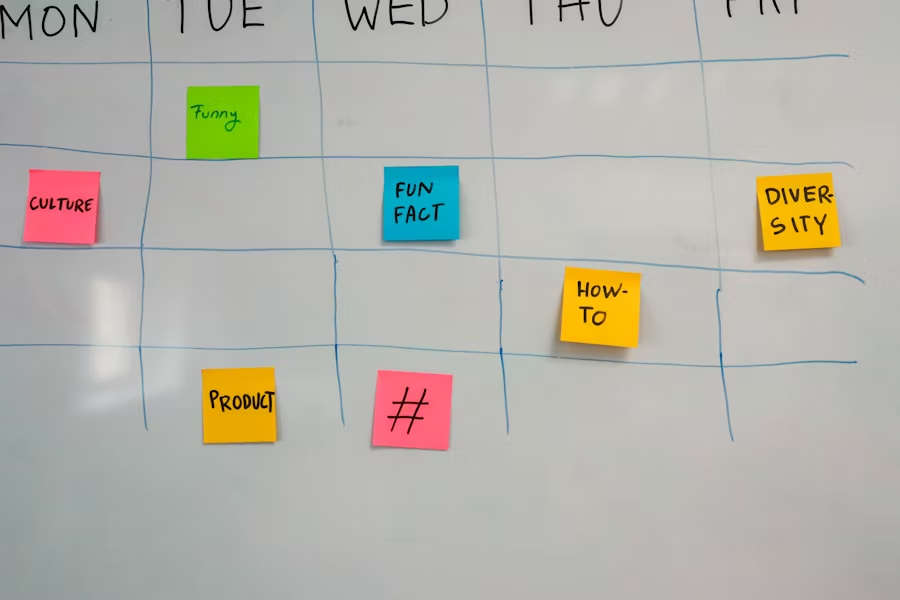
Sound timing matters as much as neat notes and tidy folders. Families can sit together on Sunday evening to plan the week ahead. List fixed events first, like classes, meals, practice, chores, and family time. Add short study blocks of twenty-five to thirty minutes for each subject. The brain stores new ideas better in brief sprints than long marathons. Insert five-minute stretch breaks between blocks to protect energy and attention. Use simple color marks for each course so the plan reads at a glance. Place the schedule on the fridge so all know when quiet time begins. Parents should avoid stuffing the calendar; open evenings act as earned breaks. Crossing off tasks builds progress and reduces stress for parents and child. As tests near, review the plan nightly and move tough topics to early slots. This steady rhythm builds self-control that endures beyond exam season.
Teach Effective Study Techniques

Adults often urge children to study more, yet few teach how to learn well. Sharing proven study techniques for exams makes every minute count. Active recall works: close the book, pose a prompt, and answer from memory. Spaced repetition helps too: review after one day, three days, and one week. Encourage the student to explain a topic to a parent, pet, or younger sibling. Teaching forces clear thought and exposes gaps that require more practice. Mind maps support visual thinkers by showing links across ideas and themes. Short rhymes or simple cues can help with dates, names, and formulas. When reading, turn headings into prompts before scanning the paragraphs. End each session with a quick self-quiz instead of rereading the same page. Families who practice these steady steps will face fewer late-night crams. Over time, the child gains confidence in what to study and how to learn it.
FAQ: How Families Can Support Students in Exam Preparation
Families often wonder how much support is too much, what routines actually help, and how to keep exam season stress under control. This FAQ answers the most common questions parents and caregivers search for when helping kid
Start as soon as the exam dates are set. Early routines give students time to prepare without panic.
Be supportive, not controlling. Provide structure, resources, and encouragement, but let the student guide their own study style.
Break tasks into short goals, celebrate progress, and encourage downtime. Rewards and variety help keep focus strong.
Spaced revision works best. Study in 20–30 minute blocks, mix subjects, and set review days to strengthen memory.
Create a calm environment, encourage open chats about worries, use simple relaxation tools, and remind students that exams don’t define them.
Vital. Good food, hydration, quality sleep, and time away from books all improve concentration and reduce burnout.
Only if the student wants it. Keep it light and supportive, not pressuring.
Respect their independence. Provide quiet space and support in the background. They may reach out later when they need it.
Focus on effort, not just outcome. Talk through lessons learned, plan next steps, and remind them exams aren’t everything.
Encourage Healthy Habits
Strong study begins with care for the body, mind, and mood. Sleep, food, water, and movement keep the brain ready during busy weeks. Aim for eight to nine hours of sleep; memories settle during deep rest. A house rule like screens off after nine at night protects that pattern. Breakfast should mix protein and complex carbs, such as eggs and whole-grain toast. Pack water and fruit to prevent sugar dips that break focus and patience. A short walk after school boosts blood flow and eases growing test tension. Simple breathing drills before bed can calm a racing mind for sleep. Parents can join to model the routine and make it feel shared. On weekends, plan a bike ride or friendly hoops game instead of cramming. When a household values health, students learn how to study without harming well-being. Balanced days keep mood steady and focus strong through the final exam.
Use Technology Wisely
Phones and tablets can block focus or build skill, based on choices. Sit with the student and pick apps that block social feeds during work blocks. Tools like Forest or Focus Keeper encourage deep focus during set windows. Digital flashcards, such as Anki or Quizlet, apply spaced repetition with ease. Families can also find short, trusted videos that clarify tough topics fast. Watching together allows quick pauses for notes or brief checks for understanding. Keep devices on a stand, not hidden under the desk, to support sound posture. Turn off push alerts that tempt quick glances away from tasks. Close each session with a small reward like five minutes of chat or play. This planned break prevents isolation and keeps morale strong across weeks. Keep chargers out of bedrooms at night to shield sleep from late pings. When families steer tech with clear rules, students master content and modern tools with care.
Provide Emotional Support
The best plan may falter if worry begins to take command. Families should watch for signs like headaches, sharp moods, or long silence. Begin warm talks that invite open sharing about the coming test. Listen with patience and avoid comparisons to friends or siblings. Share personal stories of nerves and how those moments were managed. Praise effort, steady practice, and smart choices, not only final marks. This approach builds grit and a drive to grow through challenge. Create a small stress kit together, like a squeeze ball and calming playlist. Offer short check-ins during long blocks with water and kind words. If anxiety feels heavy, seek help from a school counselor for support. Remind the learner that family care does not rest on a score. A calm, kind home lets the mind focus on strong study rather than fear.
Practice with Mock Exams

Practice tests reveal weak spots faster than repeating the same notes. During exam preparation, families can print past papers from school sites. Short quizzes built from class notes can also expose missing links across units. Use a timer that mirrors the real test so minutes are managed well. After each run, review errors together without blame or harsh tones. Note why each answer failed and match it with the right idea. This turns mistakes into guides that point toward better understanding. Change locations across the week to improve recall in varied settings. The kitchen on Monday and the library on Thursday can both help. Blend practice tests with active recall and spaced repetition for strength. Mark small gains, like a stronger score in algebra or history. Use a sticker, a homemade shake, or a song choice as a treat. Regular practice lowers surprise on test day because the format feels familiar. With time, poise grows and panic fades, and the real test feels like another drill.
Celebrate Progress and Reflect
Learning lasts when growth feels noticed and named along the way. Families should mark milestones rather than waiting for final results. Finishing a chapter outline or improving a quiz score both deserve praise. Sticking to the plan for a full week also earns simple recognition. Rewards need not cost money; a movie night or choosing dinner feels special. Reflection matters as well and deepens learning across the term. Set aside Sunday evening to review what worked and what needs change. Use those notes to adjust tactics for the student’s learning style. Maybe cards helped with terms, or soft music cut into focus. Keep a shared log of insights so the next season starts ahead. Pair celebration with honest review to build a growth mindset. Students see that effort leads to progress and that small tweaks help. This balanced approach turns each test into a step forward, not a setback.
Work With Teachers and Tutors

Families do not need to carry exam season without outside help and guidance. Teachers, counselors, and tutors bring knowledge, structure, and fresh angles. Attend parent–teacher meetings early in the term, not only during trouble. Ask for key chapters, test weight, and resources to review at home. Many schools post guides that explain strong study methods for each subject. If some topics stay unclear, set up a peer group or hire a tutor. Local help can offer a new style that clicks with the student. Online tutoring can fit around practice, clubs, or part-time shifts. Share the student’s schedule so sessions support, not replace, the plan. Keep notes flowing; a brief email after each session keeps aims aligned. By building a small team, families reduce stress while growing support. The learner gains several voices that point toward the same clear goals.
By using these steps with steady care, families can build a home that lifts calm effort, steady growth, and clear progress. A tidy space, a fair plan, proven methods, healthy routines, wise tech rules, kind support, timed drills, regular reflection, and strong school ties create a complete approach. With these pieces in place, students meet exams with skill and poise. The lessons gained during preparation continue to serve long after the tests end.



Ashley Pugh ;
Ashley Pugh is one of the Co-Founders of Familydaysout.com and has been committed to writing family related content since 2008. There isn't much about family attractions that Ashley doesn't know, after visiting hundreds of them worldwide over the last 20 years.
Leave a comment