











This guide will walk you through everything you need to know about family road trip safety, from vehicle preparation to keeping kids safe and entertained on the road. We’ll also cover what to do in the unfortunate event of an accident.
Preparing Your Vehicle for the Journey
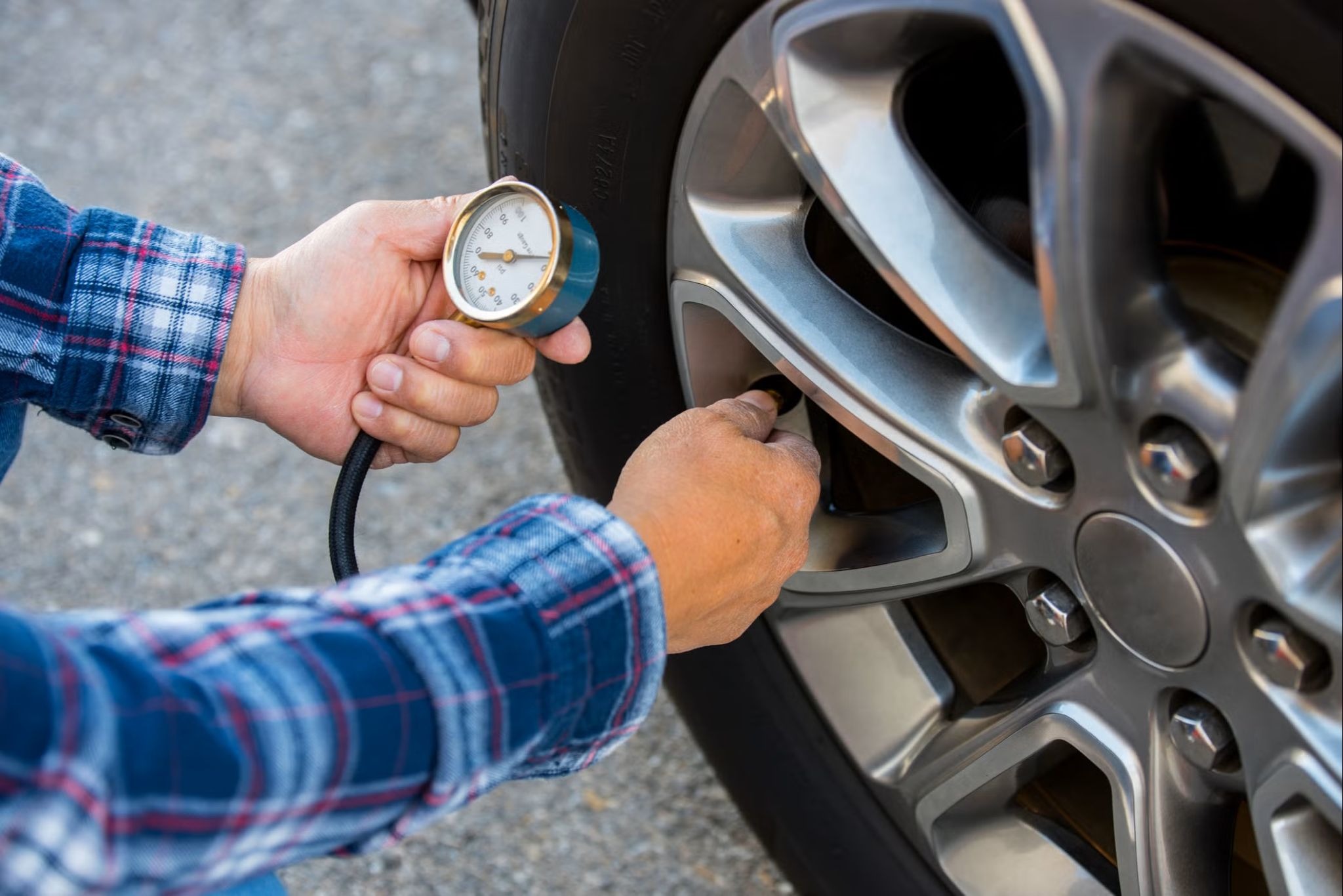
Before you hit the open road, it’s essential to make sure your vehicle is in top condition. A pre-trip inspection can help you identify and address any potential issues that could lead to a breakdown or, worse, an accident. The National Highway Traffic Safety Administration (NHTSA) recommends checking the following:
- Tires: Check your tire pressure and tread depth. Properly inflated tires with good tread are crucial for safe handling and braking. Don’t forget to check the spare tire as well.
- Brakes: If you’ve noticed any squeaking, grinding, or other unusual noises when you brake, have your brakes inspected by a qualified mechanic.
- Fluids: Check your oil, coolant, and windshield washer fluid levels and top them off as needed.
- Lights: Make sure all your lights are working correctly, including your headlights, taillights, brake lights, and turn signals.
- Wipers: Worn-out wiper blades can be a safety hazard in the rain. Replace them if they’re streaking or not clearing your windshield effectively.
Child Passenger Safety
Keeping your children safe in the car is paramount. According to the Centers for Disease Control and Prevention (CDC), motor vehicle injuries are a leading cause of death among children in the United States. The best way to protect your children is to make sure they are properly buckled up in a car seat, booster seat, or seat belt that is appropriate for their age and size.
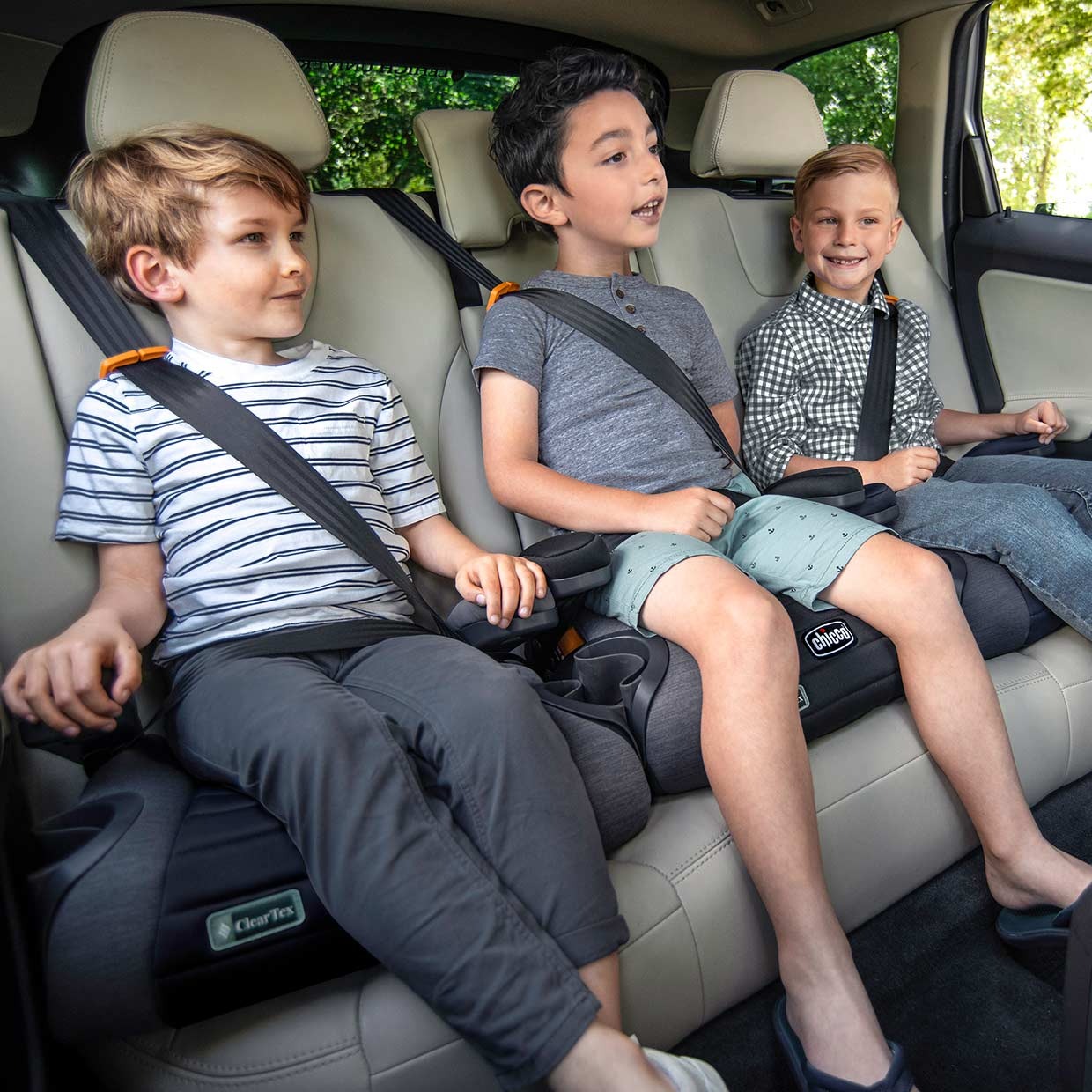
Here are some general guidelines from the NHTSA:
- Rear-Facing Car Seat: Children should ride in a rear-facing car seat for as long as possible, until they reach the top height or weight limit allowed by their car seat’s manufacturer.
- Forward-Facing Car Seat: Once your child outgrows their rear-facing car seat, they should ride in a forward-facing car seat with a harness and tether.
- Booster Seat: When your child outgrows their forward-facing car seat, they should use a booster seat to help the seat belt fit properly.
- Seat Belt: Children should keep using a booster seat until they are big enough for the seat belt to fit them correctly. For a seat belt to fit properly the lap belt must lie snugly across the upper thighs, not the stomach. The shoulder belt should lie snug across the shoulder and chest and not cross the neck or face.
For more detailed information on car seat safety, you can visit the NHTSA’s website on car seats and booster seats.
Safe Driving Practices
Once you’re on the road, it’s important to practice safe driving habits to minimize the risk of an accident. Here are some tips to keep in mind:
- Avoid Distractions: Distracted driving is a major cause of accidents. Avoid using your phone, eating, or doing anything else that takes your attention away from the road.
- Obey Speed Limits: Speeding is another major contributor to accidents. Always obey the posted speed limits and adjust your speed for road and weather conditions.
- Don’t Drive Drowsy: Drowsy driving can be just as dangerous as drunk driving. If you’re feeling tired, pull over and take a break.
- Be Aware of Your Surroundings: Pay attention to other drivers, pedestrians, and cyclists. Be prepared to react to unexpected situations.
What to Do in Case of an Accident
Even with the best preparation, accidents can still happen. If you’re involved in a car accident, it’s important to stay calm and follow these steps:
- Check for Injuries: The first thing you should do is check yourself and your passengers for injuries. If anyone is injured, call 911 immediately.
- Move to a Safe Location: If your vehicle is drivable, move it to the side of the road to avoid blocking traffic.
- Exchange Information: Exchange information with the other driver, including their name, address, phone number, and insurance information. You should also get the names and contact information of any witnesses.
- Document the Scene: Take pictures of the damage to both vehicles and the accident scene. This will be helpful when you file your insurance claim.
- Contact a car accident lawyer: If you or a loved one has been injured in a car accident, it is important to speak with an experienced attorney who can help you understand your legal rights and options.
Keeping Kids Entertained on the Road
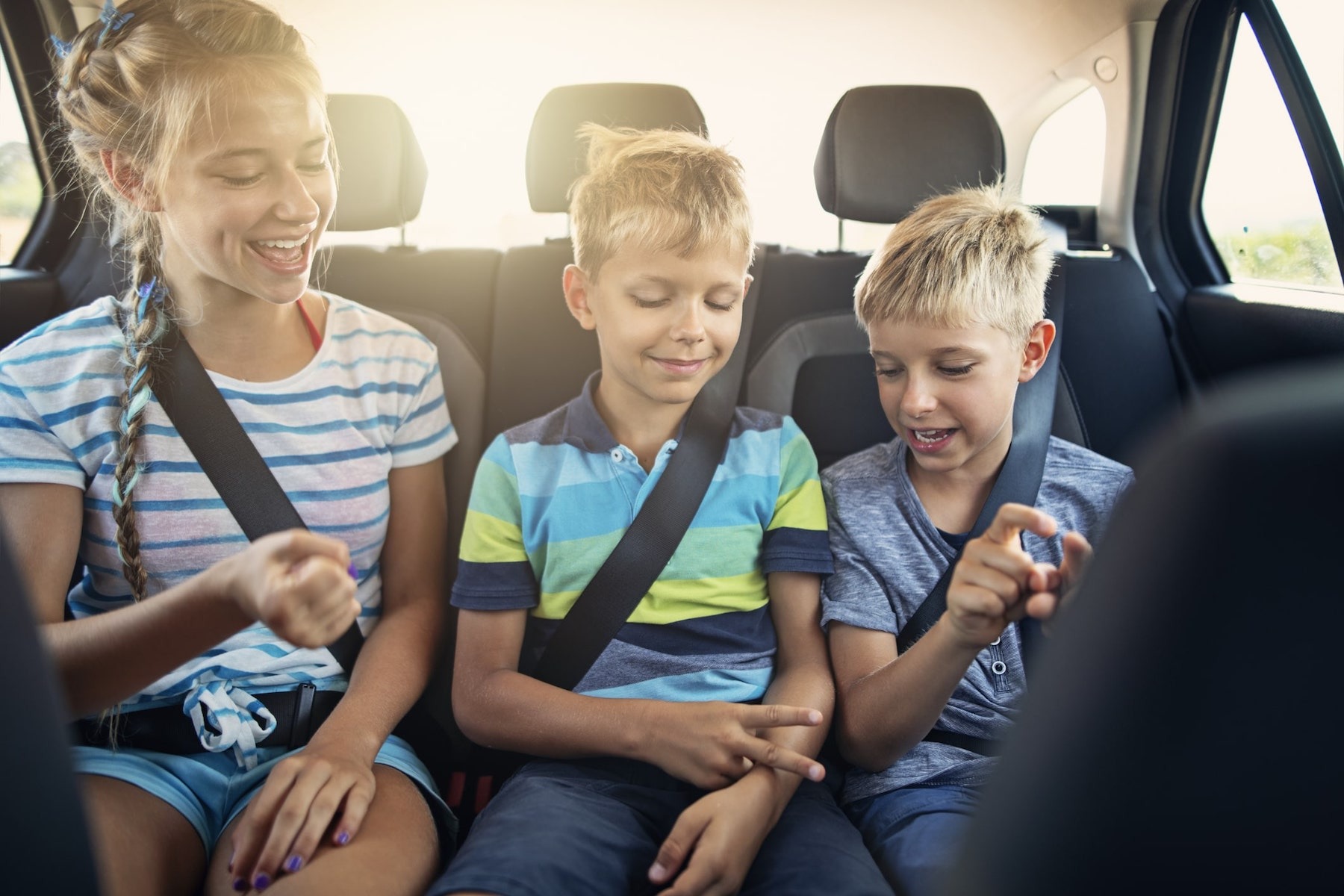
Long car rides can be tough on kids. To keep them happy and entertained, pack a variety of age-appropriate activities, such as books, games, and movies. You can also plan for frequent stops to let them stretch their legs and burn off some energy. For some great ideas for family outings, check out the Travel Guides on this site.
Conclusion
A family road trip can be a wonderful experience, but it’s important to make safety a top priority. By following the tips in this guide, you can help ensure that your family adventure is a safe and memorable one. For more family fun ideas, check out the Things to do section.





Ashley Pugh ;
Ashley Pugh is one of the Co-Founders of Familydaysout.com and has been committed to writing family related content since 2008. There isn't much about family attractions that Ashley doesn't know, after visiting hundreds of them worldwide over the last 20 years.
Leave a comment