











It’s not just a rare problem either. According to the 2023 CDC report, 24% of adults said they had pain most days or every day during the past three months. That’s nearly one in four adults carrying pain into their daily lives. Those same adults are often the ones planning road trips, theme park visits, or cross-country flights with their kids.
The good news is that travel doesn’t have to be out of reach. With careful planning and smart gear choices, parents can create unforgettable family adventures. The key is valuing balance over perfection while keeping pain in check.
Plan Activities with Balance in Mind
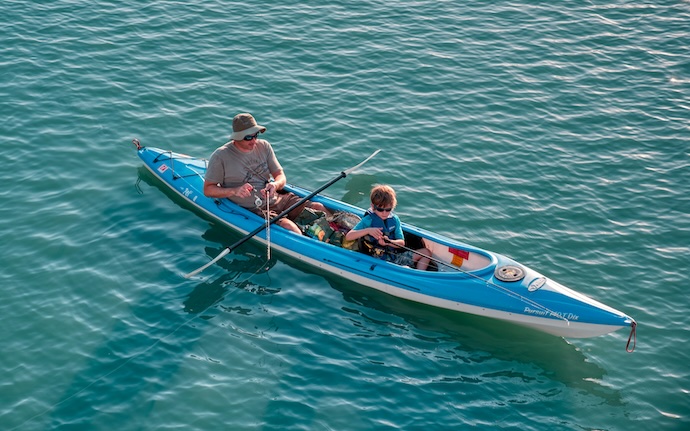
Photo by Jim Strasma on Unsplash
Not every attraction carries the same physical demands, so being intentional with activities can make a big difference. Museums, aquariums, and interactive science centers are ideal for families. They keep kids engaged while naturally offering spots to sit and rest.
For those who love the outdoors, shorter hiking trails with benches or shaded areas allow everyone to enjoy nature without pushing limits. Even amusement parks can be manageable if you plan ahead, alternating between energetic rides or shows and calmer moments like snack breaks.
Of course, choosing the right activities is only half the story. How you pace the day matters just as much. Instead of cramming the schedule, build in “recharge moments” that feel like part of the fun. Add breaks for grabbing ice cream, playing a quick board game in the hotel room, or simply relaxing on a bench.
Even short pauses of five or ten minutes help prevent flare-ups and restore energy. The goal isn’t to do less but to create a steady rhythm where everyone feels included and capable of enjoying the trip.
Use Smart Gear to Minimize Discomfort

Smart packing isn’t just about remembering snacks and sunscreen. The gear you choose can directly affect how comfortable and pain-free your family feels on the road. Consider back pain. It’s the most common chronic pain-related issue in the U.S., impacting about 16 million adults, or 8% of the population. That’s a lot of people trying to enjoy their days while quietly struggling.
Footwear is one of the biggest culprits. Shoes without proper support can change how you walk, strain your posture, and slowly push your spine out of alignment. Add hours of sightseeing or theme-park strolling, and that hidden discomfort can turn into a trip-ruiner. Investing in shoes with cushioning and solid arch support is less about fashion and more about protecting your body’s foundation.
It doesn’t stop at shoes, though. Ergonomic backpacks help spread the load, and collapsible strollers cut down on heavy lifting. Moreover, lumbar cushions can make long car rides far more bearable. Each of these choices works like a safeguard, minimizing the stress on your back so you can spend your energy where it belongs.
Travel Smart With Medical Devices
Many people with severe chronic pain or health conditions rely on implants and portable devices to stay active with their families. From insulin pumps and pacemakers to spinal cord stimulators, these tools can greatly improve quality of life. But they also require extra planning when traveling.
Carry emergency medications, spare batteries or chargers, and a doctor’s note about your device. Abroad, you may also need adapters or converters for different electrical currents.
It’s also important to know exactly which device you have, especially if you need medical support during your trip. Let us take the example of spinal cord stimulators that address chronic back pain. Abbott’s Proclaim and Infinity neurostimulation systems were recalled because patients could get stuck in MRI mode. According to TruLaw, the situation disables therapy delivery.
The FDA classified this as a Class I recall, the most serious level, after 73 injuries were reported. The Abbott spinal cord stimulator lawsuit further highlights why patients should stay informed about device safety.
In an emergency, sharing accurate details about your implant with doctors is crucial. It can mean the difference between quick, effective care and dangerous delays.
https://unsplash.com/photos/man-and-women-walks-on-grasses-during-daytime-I-zSrQnLlX0
FAQ
Look for accessible rooms with supportive bedding, elevators, ground-floor units, and nearby amenities. Proximity to attractions and safe walking areas reduces the need for excessive movement, making the stay more comfortable and enjoyable.
Eating balanced meals and healthy snacks throughout the day helps maintain energy and reduce inflammation. Avoiding heavy, greasy foods and staying hydrated can prevent fatigue or stiffness. This makes it easier for parents to enjoy activities without triggering pain flare-ups.
Yes, traveling with supportive adults, older children, or family friends can help share responsibilities like carrying bags or supervising kids. Delegating physically demanding tasks allows parents to participate without overextending themselves.
Overall, chronic pain affects millions of adults, but it doesn’t have to keep families grounded. With supportive gear, strategic breaks, and thoughtful planning, parents can manage their conditions while still creating magical moments on the road.
The trick isn’t pushing through pain but shaping the trip in a way that balances joy with sustainability. And in doing so, you show your children that adventure is about more than ticking off sights. It’s about making memories together, no matter the pace.
Involve Kids in the Planning

Here’s a travel tip many families overlook. Kids don’t just want to tag along; they want to help shape the journey. A New York Post survey found that 86% of kids want a bigger role in planning family trips. Over half even said they’d like to plan most of it themselves.
For parents managing chronic pain, this isn’t just an interesting statistic but a useful strategy. When children are given choices, like picking a museum or a restaurant, they feel involved. Even deciding the order of activities adds flexibility.
Parents can then gently weave physical limits into the day without it feeling restrictive. Instead of frustration, kids see collaboration and ownership. They feel proud when their ideas shape the itinerary, and parents benefit from natural pauses or lighter activities. It turns pacing into a family decision rather than a parental demand. It will make the trip smoother, more enjoyable, and far less stressful for everyone.
Travel Smarter, Enjoy More
Technology can take much of the physical burden off parents managing chronic pain. Pre-booking tickets online avoids long lines, ride-share services reduce walking distances, and maps with accessibility filters help you skip unnecessary detours.
Many major attractions even offer rental scooters or wheelchairs, which can often be reserved ahead of time. Knowing these resources are in place gives parents peace of mind and allows them to focus on the experience rather than exhaustion.
At the same time, it’s important to shift the focus from checking off attractions to enjoying the moments that matter. Kids remember simple joys like feeding ducks, sharing a car joke, or stargazing- not every ride or hike.
By combining smart planning with an emphasis on connection, you can create trips that are both manageable and deeply rewarding for the whole family.

Photo by Priscilla Du Preez 🇨🇦 on Unsplash



Ashley Pugh ;
Ashley Pugh is one of the Co-Founders of Familydaysout.com and has been committed to writing family related content since 2008. There isn't much about family attractions that Ashley doesn't know, after visiting hundreds of them worldwide over the last 20 years.
Leave a comment