



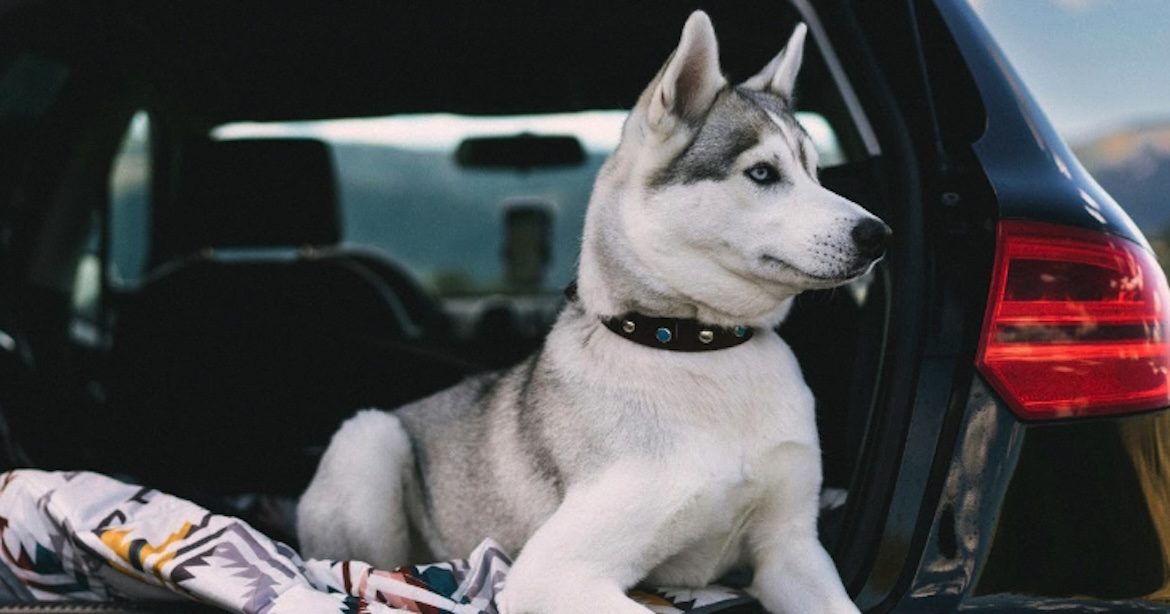







That’s why a little planning before you leave matters. Pack what your dog usually needs and set up a comfortable space for them in the car. Once that’s sorted, the drive tends to go much more smoothly. Here are a few pointers that may help.
1. Giving Your Dog a Spot in the Car
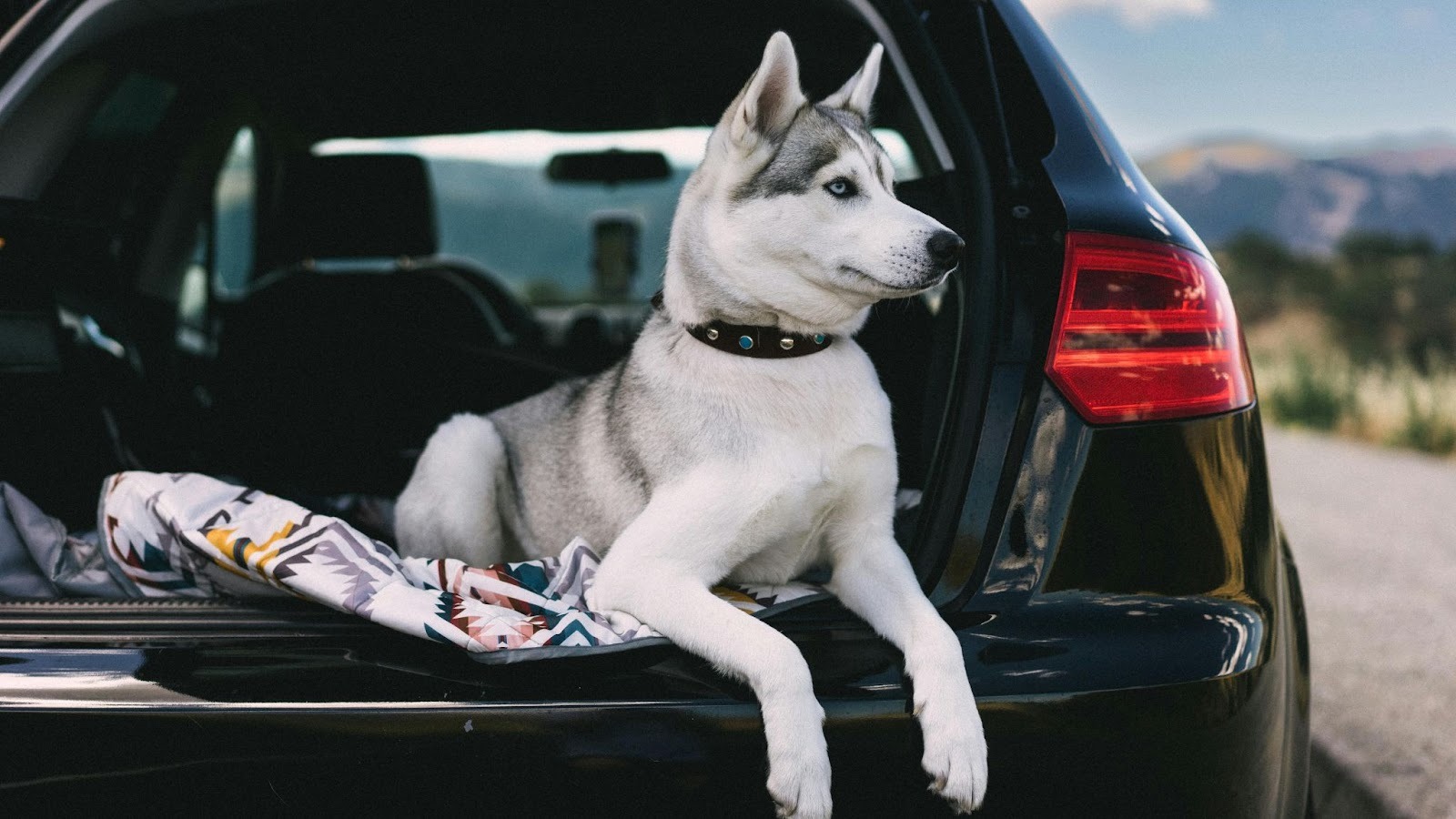
Most dogs settle faster when they know where their place is during a trip. If they do not have that space, they often keep moving across the seat or adjusting their position every few minutes. That kind of movement can also become unsafe if the car stops suddenly.
Some people secure a travel crate in the back of the vehicle. Others use a seatbelt harness made for dogs instead. As long as your dog can sit comfortably and turn around, either setup can work well.
2. Packing Water and Meals That Are Easy to Manage
Dogs don’t always drink normally during a long drive. The moving car, new surroundings, and the lack of their usual setup can make some of them forget to drink water for a while.
That’s why a travel bottle with a small attached bowl comes in handy. When you stop, you can offer water right away instead of trying to balance a dish on gravel or uneven pavement.
Food is worth planning ahead, too. Pre-measured portions save you from guessing amounts in a parking lot somewhere along the route. Just as important, bring their regular food. A sudden switch while traveling can leave some dogs dealing with stomach trouble before the trip is over.
3. Preparing for Sudden Weather Changes
Source: Pexels
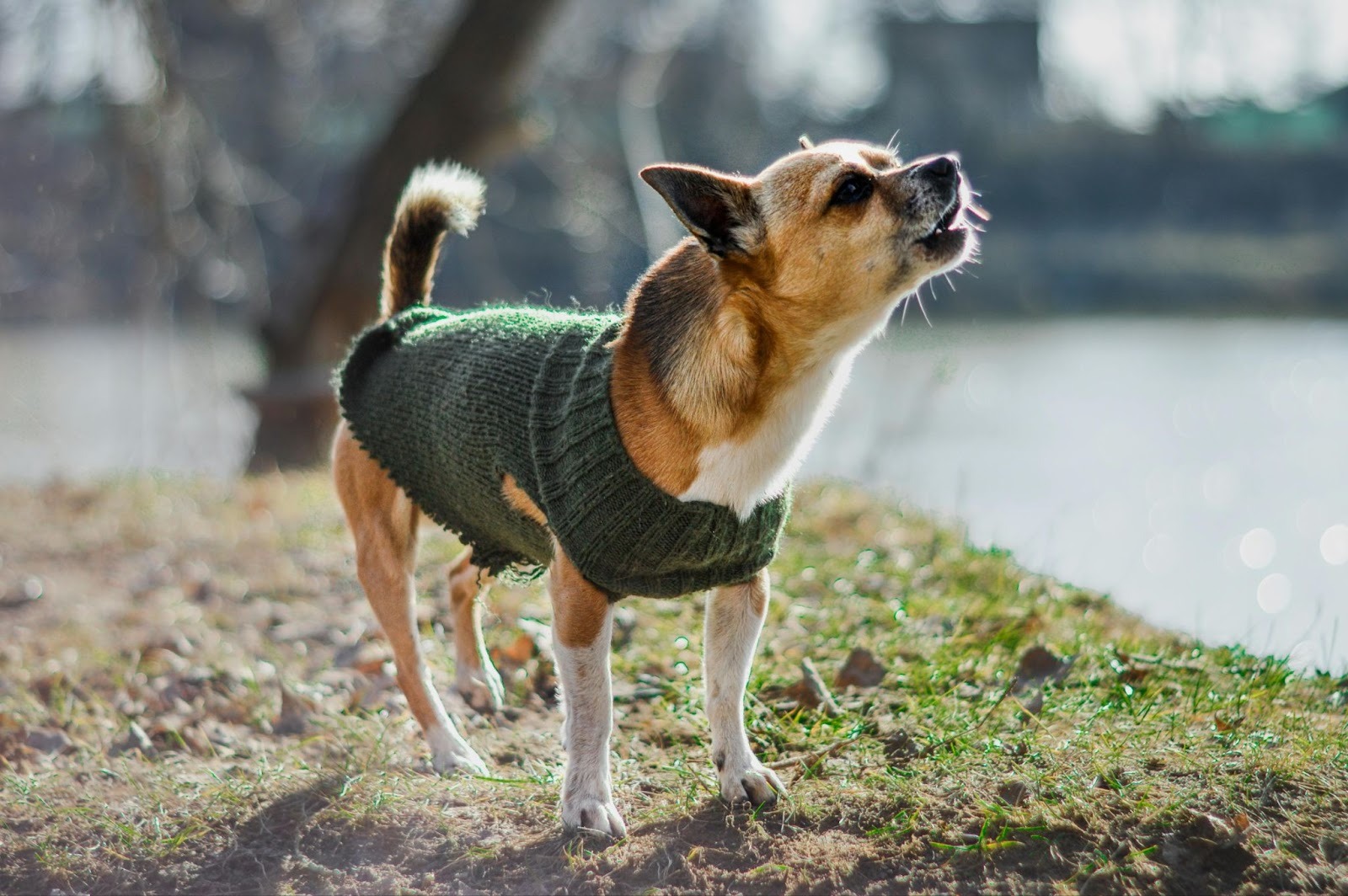
Travel often means moving through different weather. You might leave in a mild morning and end up somewhere noticeably cooler by evening. After spending hours in the car, dogs often feel that shift right away the moment they step outside.
That’s when a light dog coat can really help. It gives them a bit of warmth during quick stops in chilly or windy places. Short-coated dogs, smaller breeds, and older dogs usually appreciate that extra layer the most.
4. Protecting Sensitive Paws From Different Terrains
Road trips introduce dogs to surfaces they rarely walk on at home. Rest areas, gas stations, and parking lots often mean hot pavement, gravel, or rough concrete. After several stops, those surfaces can start irritating paw pads.
Using booties for dogs can prevent a lot of that discomfort. They create a simple barrier between sensitive paws and harsh surfaces. This becomes especially helpful during hot-weather travel, when the pavement gets pretty hot throughout the day.
5. Bringing Familiar Comfort Items
Travel constantly changes a dog’s environment. New smells appear at every stop. Different sounds surround the car. Even the movement itself can feel unusual for some dogs.
Familiar objects help balance that constant change. A blanket that your dog already sleeps on or a favorite chew toy works well here. Dogs rely heavily on scent memory. When that familiar smell is present, the car becomes less confusing.
Chew toys can be especially useful during long stretches of driving. Chewing helps distract the dog and keep them calm.
6. Scheduling Breaks That Let Your Dog Reset
Most dogs are fine in the car for a while. But after enough time on the road, they usually start getting restless.
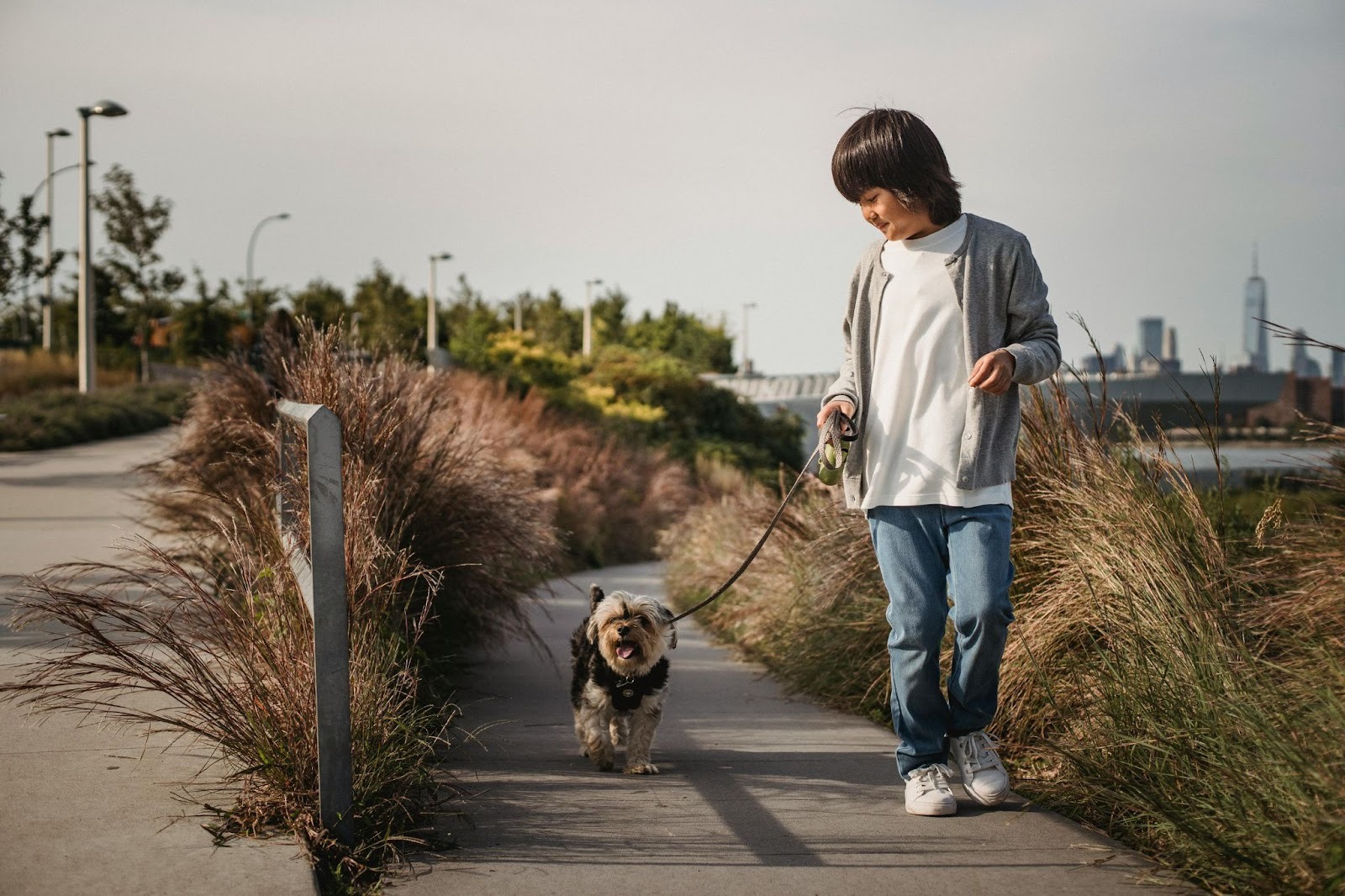
That’s where regular stops help. Stepping out for a few minutes lets your dog stretch, sniff around, and handle bathroom breaks before the drive continues.
But it's more than just bathroom breaks. Dogs rely heavily on scent to process unfamiliar places, and that small bit of exploration often helps them settle once they are back in the vehicle. It also helps release some of the energy that builds up while they are sitting in the car.
Source: Pexels
7. Packing a Small Clean-Up Kit
A spotless car rarely survives a trip with a dog. Drool happens. Dirt comes along after a quick walk at a rest stop. And every so often, a dog's stomach might decide the ride isn’t agreeing with them.
That’s where a simple clean-up kit helps. A couple of towels can wipe muddy paws or soak up spills. Pet wipes are useful for quick cleaning before getting back in the car. Paper towels and a small bag for used items also prove helpful more often than expected. Dogs that get carsick may need a spare blanket or seat cover ready.
Keeping these things together makes life easier later. When something happens, you already know exactly where to reach.
8. Helping Your Dog Settle After the Journey
The end of the trip doesn’t always mean a dog feels settled right away. Hours in the car can leave them a bit tired or overstimulated. A simple reset often works best. A quick walk to move around, a drink of water, then somewhere quiet to lie down. Once the excitement fades, dogs usually adjust on their own.
Conclusion
A long trip with your dog doesn’t have to feel complicated. Pay attention to the small things that keep them comfortable and settled during the drive. When those needs are met, dogs usually stay calm, and the journey itself becomes much more enjoyable.
Source: Pexels

Ashley Pugh ;
Ashley Pugh is one of the Co-Founders of Familydaysout.com and has been committed to writing family related content since 2008. There isn't much about family attractions that Ashley doesn't know, after visiting hundreds of them worldwide over the last 20 years.
Leave a comment