



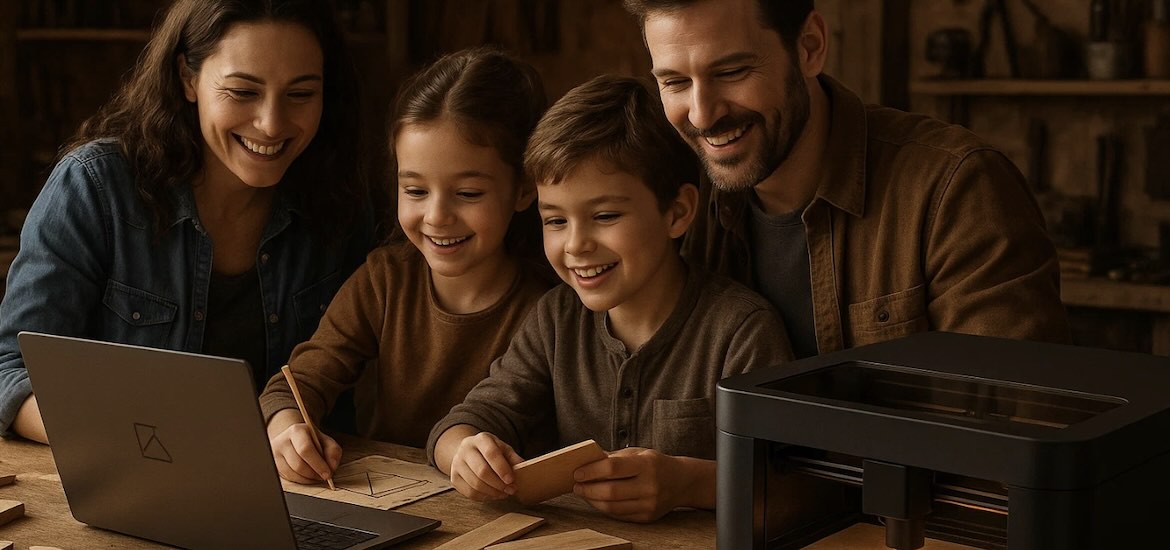







When combined with modern laser technology, family woodworking projects can reach new heights of precision, customization, and excitement. This article explores the benefits of collaborative family woodworking, introduces the role of laser technology in enhancing these projects, and provides practical ideas and tips for families eager to embark on their woodworking journey together.
The Timeless Appeal of Woodworking
Woodworking has been a fundamental human activity for centuries, providing not only practical tools and structures but also serving as a medium for artistic expression. Engaging in woodworking projects fosters creativity, patience, and problem-solving skills. When families collaborate on such projects, they not only create tangible items but also build strong bonds through shared effort and accomplishment.
Benefits of Collaborative Family Woodworking
Skill Development: Woodworking teaches valuable skills such as measuring, cutting, sanding, and finishing. Children learn the importance of precision and attention to detail, while adults can hone their craftsmanship and project management abilities.
Creativity and Innovation: Collaborative projects encourage family members to brainstorm and design together, fostering creativity and innovative thinking as they bring their ideas to life.
Quality Time: Working on a woodworking project requires time and dedication, providing families with quality time to connect and communicate away from screens and distractions.
Sense of Accomplishment: Completing a woodworking project together instills a sense of pride and achievement, reinforcing the value of teamwork and perseverance.
Introducing Laser Technology in Woodworking
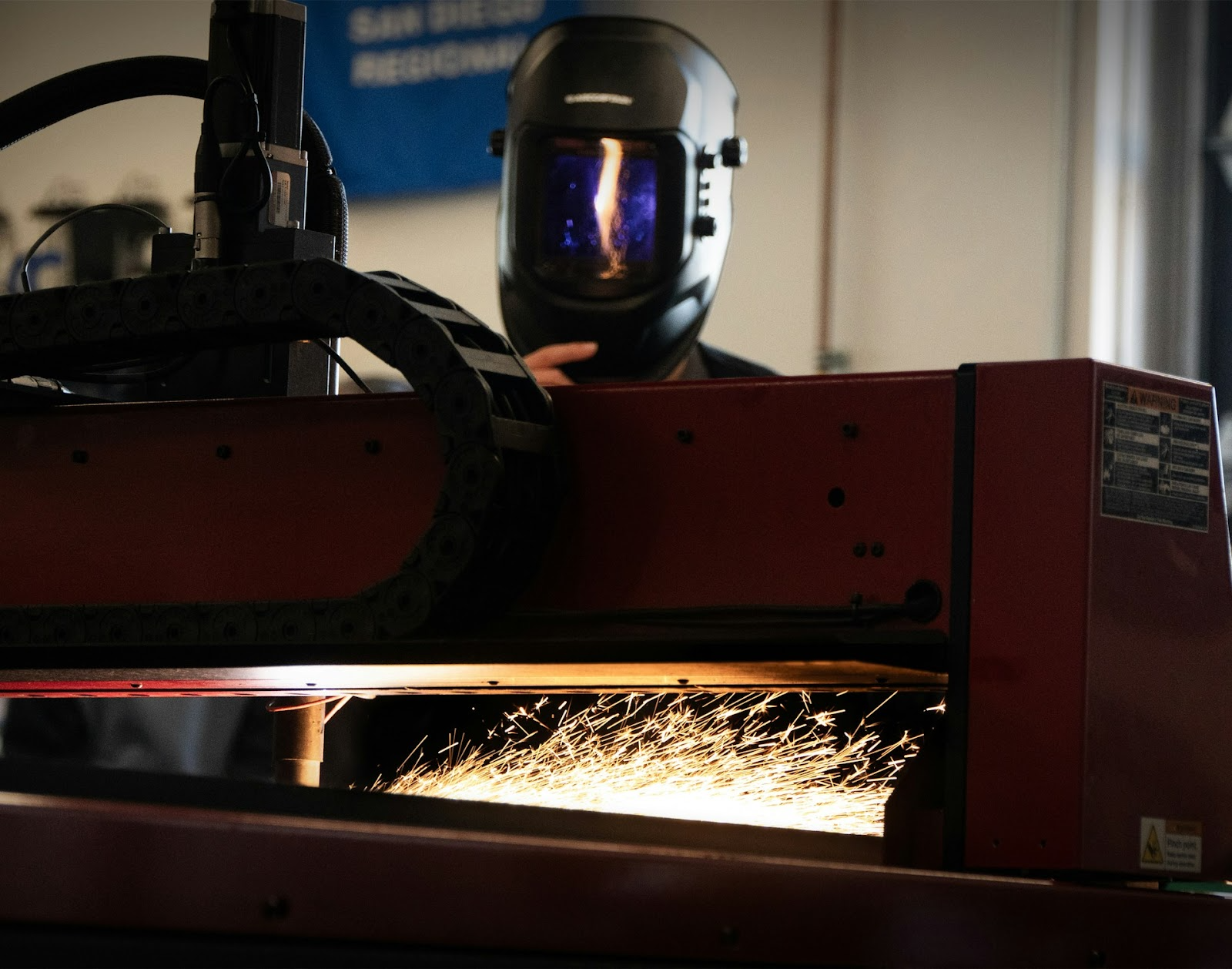
Laser technology has revolutionized various industries, and woodworking is no exception. Wood laser cutters and engravers offer unprecedented precision, speed, and versatility, making them invaluable tools for both amateur and professional woodworkers. Integrating laser technology into family woodworking projects can elevate the quality and intricacy of the finished products while simplifying complex tasks.
How Laser Technology Enhances Woodworking
Precision Cutting: Lasers can make intricate cuts with millimeter accuracy, enabling the creation of detailed patterns and designs that would be difficult to achieve manually.
Engraving and Etching: Laser engravers can inscribe text, images, and decorative elements onto wood surfaces, allowing for personalized and customized projects.
Speed and Efficiency: Laser cutters can produce multiple identical pieces quickly, making them ideal for projects that require consistency and repetitive components.
Ease of Use: Modern laser machines often come with user-friendly software and interfaces, making them accessible even to those with limited technical expertise.
Collaborative Projects Enhanced by Laser Technology
1. Personalized Family Name Signs:
Description: Create a wooden sign featuring the family’s name or a meaningful quote, intricately engraved or cut using a laser.
Collaboration: Family members can contribute by designing the layout, choosing fonts, and selecting decorative elements, fostering teamwork and creativity.

Photo by Brett Jordan on Unsplash
2. Puzzle Maps:
Description: Design and laser-cut a wooden puzzle representing a map of the family’s hometown, vacation spots, or favorite places.
Collaboration: Each family member can select and design different sections of the map, promoting cooperative planning and unity.
3. Coasters and Trivets:
Description: Create sets of coasters or trivets with unique engraved patterns or personalized messages.
Collaboration: Families can brainstorm various designs, colors, and themes, ensuring each piece reflects the collective input and artistic vision.
4. Interactive Games:
Description: Design wooden board games or puzzles that incorporate custom laser-cut pieces, enhancing the play experience.
Collaboration: Families can invent game rules, design the board and pieces, and assemble the final product together, encouraging strategic thinking and collaboration.
5. Memory Boxes:
Description: Craft personalized wooden boxes with engraved names, dates, or special messages to store cherished family memories.
Collaboration: Each family member can design different compartments or decorative elements, making the project a shared tribute to family history and love.
Tips for Successful Collaborative Family Woodworking Projects
Choose Age-Appropriate Projects:
Select projects that accommodate the varying skill levels and interests within the family. Ensure that each member can contribute meaningfully and safely.
Plan Thoroughly:
Before starting, outline the project’s scope, assign roles, and set realistic timelines. Effective planning reduces confusion and ensures a smooth workflow.
Embrace Communication:
Maintain open lines of communication throughout the project. Encourage family members to express their ideas, concerns, and feedback to foster a harmonious working environment.
Prioritize Safety:
Woodworking tools, including laser machines, require careful handling. Implement safety protocols, supervise younger members, and provide proper training on equipment usage.
Incorporate Learning:
Use the project as an opportunity to teach essential woodworking techniques, laser technology operations, and problem-solving skills. Encourage curiosity and continuous learning.
Celebrate Progress and Success:
Acknowledge and celebrate each milestone achieved during the project. Recognizing efforts boosts morale and motivates continued collaboration.
Essential Tools and Equipment
To embark on collaborative family woodworking projects utilizing laser technology, certain tools and equipment are necessary:
Wood Laser Cutter/Engraver:
Invest in a reliable laser machine suitable for woodworking. Consider factors such as cutting area, power, and software compatibility.
Computer and Design Software:
Utilize design software like Adobe Illustrator, Inkscape, or specialized CAD programs to create detailed project designs for laser cutting and engraving.
Basic Woodworking Tools:
Ensure access to essential tools such as saws, sanders, drills, clamps, and measuring instruments for tasks that may require manual intervention.
Safety Gear:
Equip the workspace with safety gear including gloves, goggles, and ventilation systems to ensure a safe crafting environment.
Workbench and Storage:
A sturdy workbench and organized storage solutions help maintain an efficient and clutter-free workspace.
Advantages of Using Laser Technology in Family Woodworking
Enhanced Precision and Detail:
Laser technology enables intricate designs and precise cuts, elevating the quality of the final product beyond what manual tools can achieve.
Increased Creativity:
With laser cutters, families can experiment with complex patterns, layered designs, and personalized engravings, fostering greater creative expression.
Time Efficiency:
Laser machines can significantly reduce the time required for cutting and engraving, allowing families to complete projects faster and allocate more time to collaborative aspects.
Reusable Components:
Laser technology simplifies the creation of interchangeable parts, enabling families to disassemble and reassemble projects or create multiple iterations with ease.
Educational Value:
Using laser technology introduces families to modern manufacturing techniques, broadening their understanding of technology’s role in traditional crafts.
Getting Started: Steps to Initiate a Collaborative Family Woodworking Project
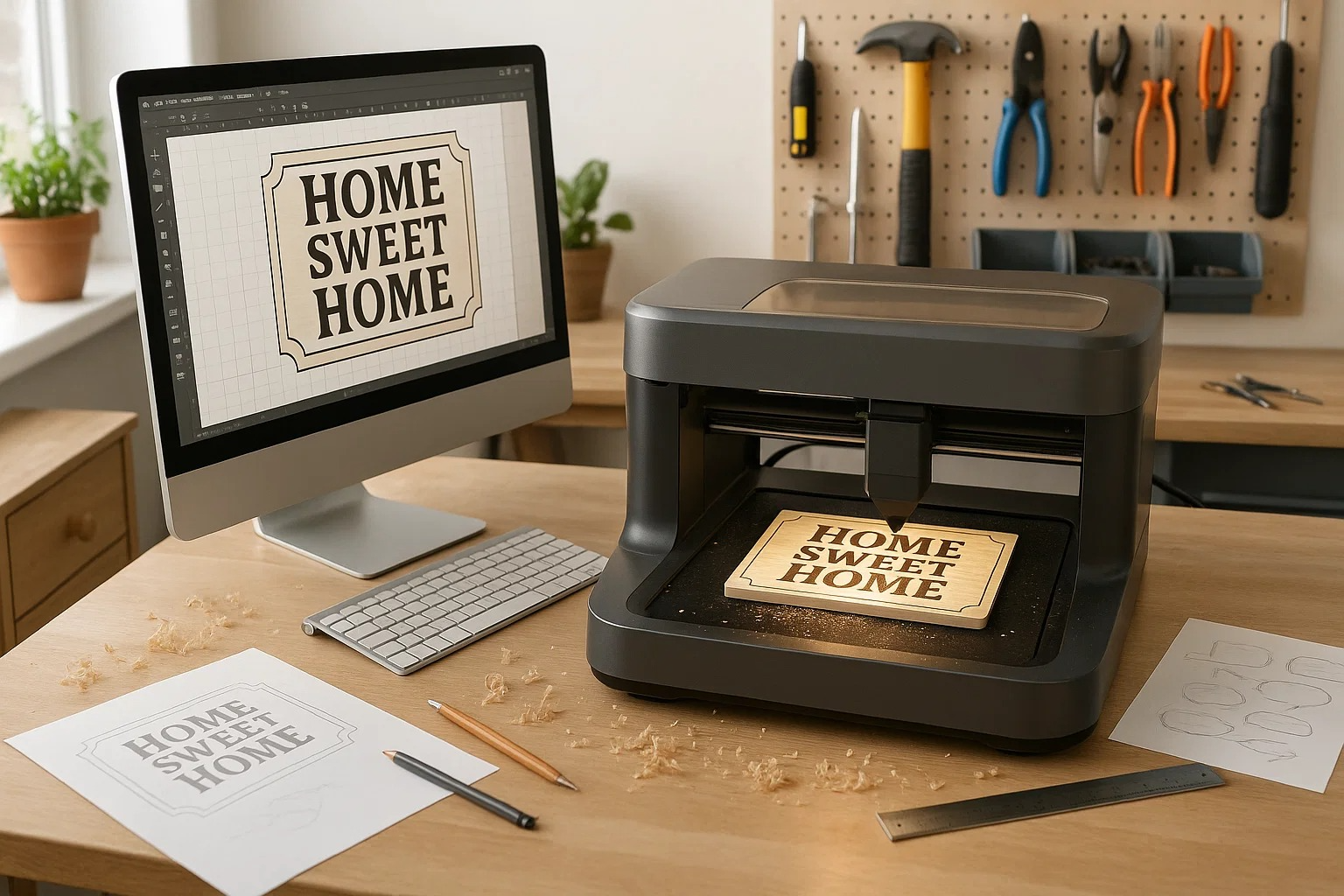
Select a Project Idea:
Discuss and choose a project that aligns with the family’s interests, skill levels, and available resources. Consider projects that offer opportunities for each member to contribute.
Design and Plan:
Collaborate on designing the project using appropriate software. Create detailed plans, including measurements, materials needed, and step-by-step instructions.
Gather Materials and Tools:
Assemble all necessary materials, ensuring you have access to a suitable workspace and the required tools, including a laser cutter if feasible.
Assign Roles:
Allocate tasks based on each family member’s strengths and interests. For example, one person could handle the design aspect, while another manages the laser cutting process.
Execute the Project:
Follow the plan systematically, working together to complete each stage of the project. Encourage ongoing communication and support among family members.
Finalize and Celebrate:
Once the project is complete, review the finished product together. Celebrate your collective achievement and discuss what was learned during the process.
Conclusion
Collaborative family woodworking projects offer a unique blend of creativity, skill development, and quality time that can significantly strengthen family bonds. Incorporating laser technology into these projects not only enhances precision and customization but also introduces families to modern crafting techniques. By selecting appropriate projects, emphasizing safety, and fostering open communication, families can embark on rewarding woodworking adventures that produce both beautiful creations and lasting memories.
Whether crafting personalized signs, intricate puzzles, or custom games, the synergy of traditional woodworking and innovative laser technology paves the way for endless possibilities and shared accomplishments. Embrace the blend of craftsmanship and technology, and watch your family’s woodworking endeavors flourish.



Ashley Pugh ;
Ashley Pugh is one of the Co-Founders of Familydaysout.com and has been committed to writing family related content since 2008. There isn't much about family attractions that Ashley doesn't know, after visiting hundreds of them worldwide over the last 20 years.
Leave a comment