



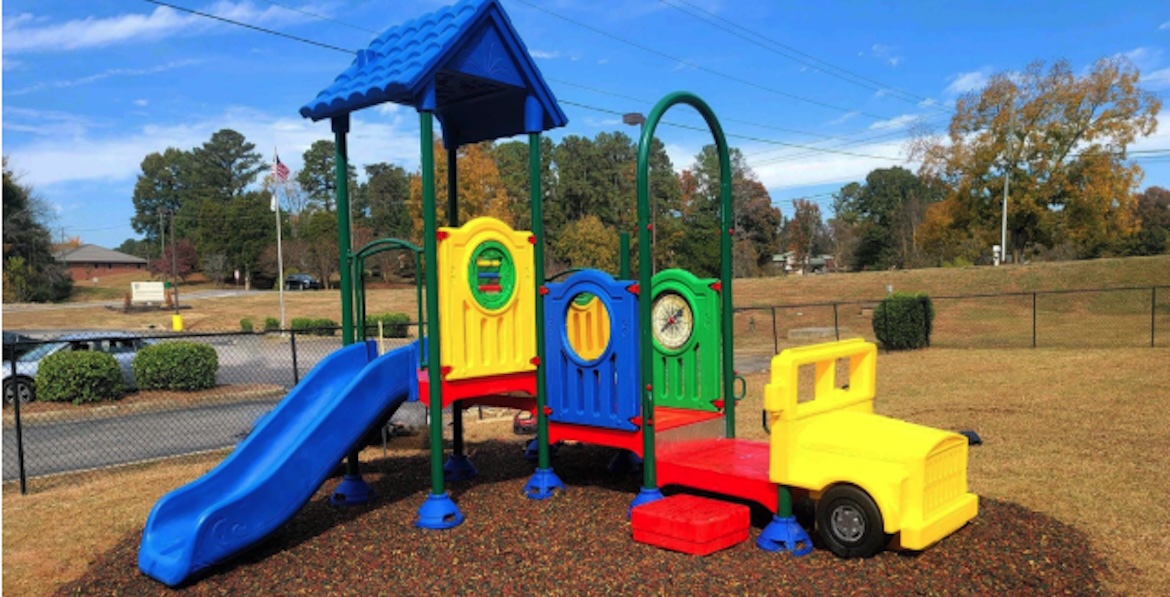







We've compiled essential, professional advice to help maximize your equipment's longevity and ensure continuous patron satisfaction throughout the entire year.
Tip 1: Prioritize Commercial-Grade Durability and Safety
The first step in specifying playground equipment for a public space is understanding the differences between residential and commercial products. A commercial playground is distinct in its structural load, material specification, and lifecycle accountability. Neglecting these differences introduces unacceptable risks to users and the governing entity.
Structural load is a primary differentiator. Commercial play systems are engineered to support dozens of users simultaneously, requiring robust construction. This engineering ensures the structure remains stable and safe under the heavy, dynamic use typical of a public park.
Public equipment faces environmental exposure, potential vandalism, and harsh cleaning protocols. Commercial-grade materials include UV-stabilized plastics, stainless steel hardware, and industrial-strength coatings to withstand these challenges and ensure the playground remains sound for decades.
Therefore, equipment must have third-party certifications and comprehensive warranties to verify testing against safety standards. While the upfront cost for commercial-grade equipment is higher, it is the only responsible choice. The long-term risks associated with using residential-grade items in a public space far outweigh initial savings.
The Compliance Framework
Navigating the web of safety codes and standards is essential for any public playground project. These standards are the foundation of a safe play environment and are often referenced by insurers and in legal proceedings. When qualifying vendors, ensure every component complies with the following frameworks and insist on seeing current certificates for each component.
|
Standard |
Governing Body |
Scope Highlights |
Why It Matters |
|
ASTM F1487 |
ASTM International |
Structural integrity, impact attenuation, entrapment zones, and fall heights |
The baseline technical standard for U.S. product design and manufacturing. |
|
CPSC Playground Safety Handbook |
U.S. Consumer Product Safety Commission |
Surfacing depth guidelines, use zones, maintenance logs, and age appropriateness |
Provides a recognized 'standard of care' referenced by insurers and courts. |
|
IPEMA Certification |
International Play Equipment Manufacturers Association |
Third-party validation and testing of ASTM compliance for equipment and surfacing |
Provides credible, independent documentation often required for grants and insurance. |
|
CSA Z614 |
Canadian Standards Association |
Similar scope to ASTM; required in Canada and many northern U.S. states. |
Ensures cross-border uniformity and meets regional regulatory requirements. |
|
Warning/Important: Using residential-grade items in a public space is a critical error. The long-term legal exposure, failure risk, and potential for injury vastly outweigh any initial savings. |
Tip 2: Invest in Advanced Materials for Long-Term Savings
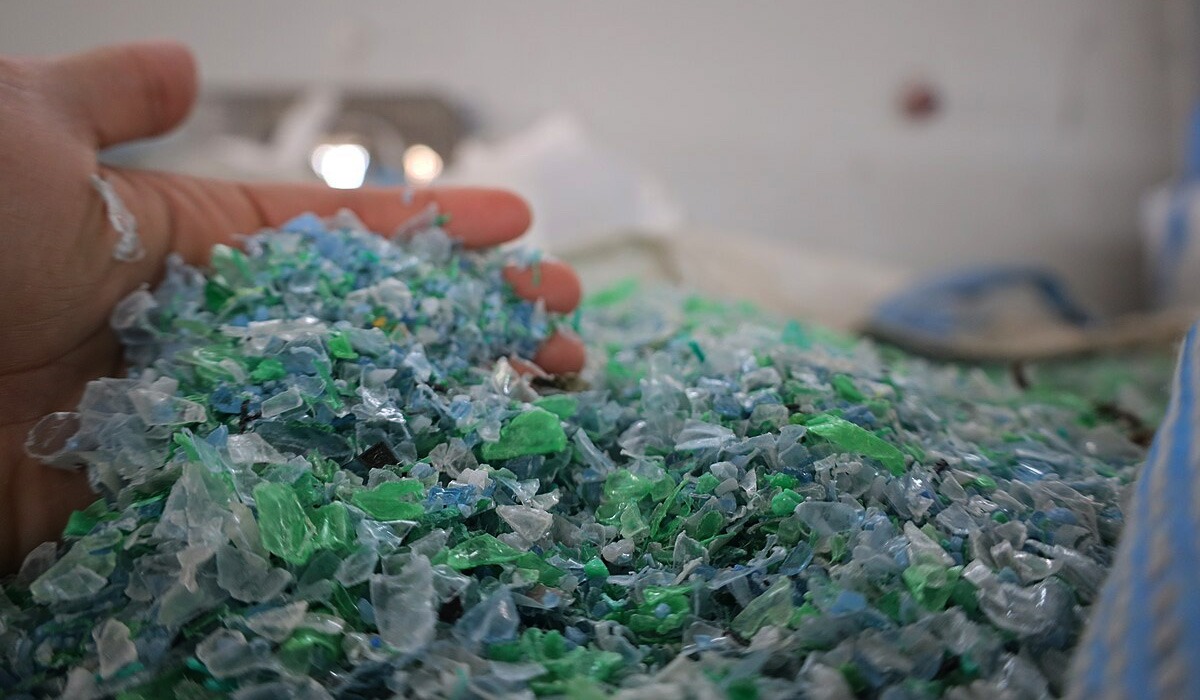
Photo from: Wikimedia
Material technology in the playground industry has advanced beyond traditional wood and steel. Today, Recycled Structural Plastic (RSP™) leads in durability and low maintenance, particularly in harsh environments. RSP™ is created by converting post-consumer plastic waste into dense, rigid members that outperform traditional materials.
Advantages of RSP™
- Fade-Resistant: High-quality RSP™ is infused with potent UV inhibitors during manufacturing. This ensures that colors remain vibrant and consistent for 15 years or more, preventing a faded appearance.
- Corrosion-Proof: Unlike steel, RSP™ is impervious to rust and corrosion. It is an ideal choice for coastal areas and regions where de-icing salts are used in winter.
- Graffiti-Resilient: The non-porous surface of RSP™ is highly resistant to paint and markers. Most markings can be removed with solvent-free cleaners without damaging the material.
- Splinter-Free & Slip-Resistant: RSP™ will never rot, crack, or splinter like wood, making it inherently safer. Its textured surface also provides better grip than smooth metal, especially in wet conditions.
Lifecycle Cost vs. Powder-Coated Steel
When evaluating materials, it is crucial to consider the total cost of ownership. For example, a play system from powder-coated steel will require repaint touch-ups and rust mitigation. An equivalent system built with RSP™ requires only routine cleaning, demonstrating a clear long-term financial advantage.
|
Key Insight: Look beyond the initial purchase price. Advanced materials like RSP™, while more expensive upfront, can deliver huge savings on maintenance, recovering a significant portion of the investment over a 20-year lifecycle. |
Tip 3: Integrate Water Features for All-Season Engagement
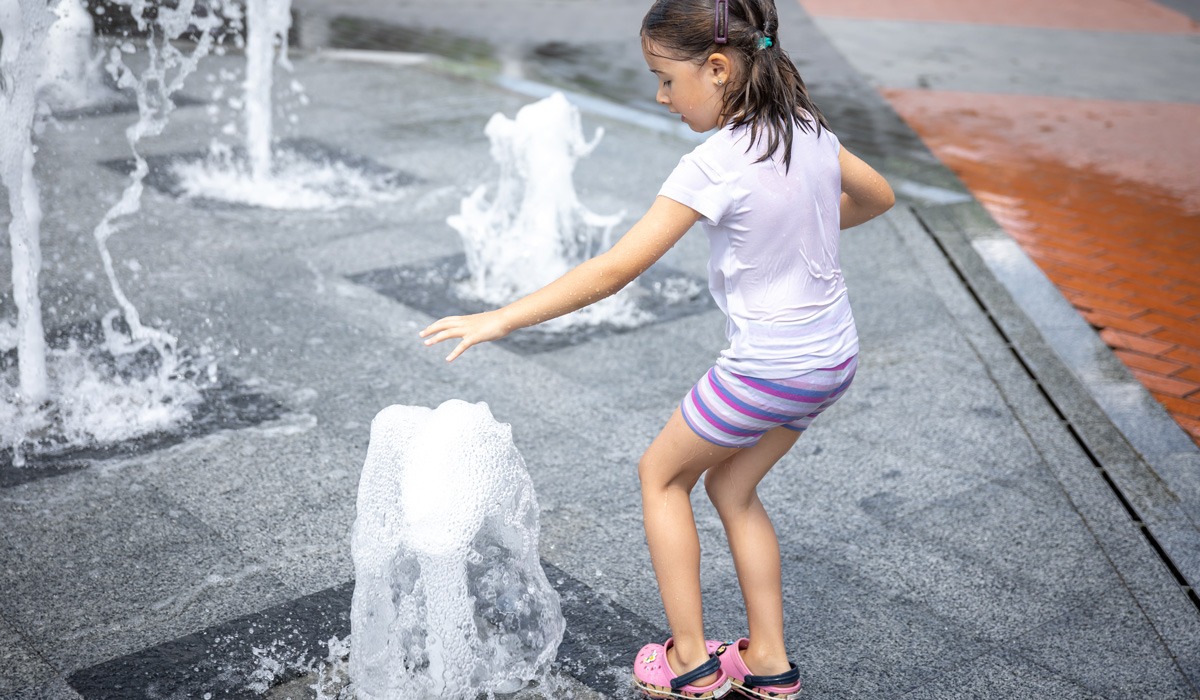
Photo from: Freepik by PVProductions
Modern families crave multi-functional spaces where children can cool off during hot months. This demand is clear in park usage data, which shows that parks with water splash pads were visited more during the summer. The ideal solution lies in low-flow, zero-depth splash elements engineered for high engagement.
These features add immense play value and can be designed to function as aesthetic elements year-round. They avoid the full commitment and supervision required by a lifeguarded swimming pool. This makes them a versatile and popular addition to community spaces.
A recirculating splash pad consumes significantly less potable water than a municipal pool of comparable capacity. For year-round use in cold climates, a freeze-thaw protection plan is essential. This includes below-frost-line piping, heated components, proper surface slope for runoff, and sensor-linked shut-off valves.
Product Modules & Pairing Matrix
Successful designs pair dry playground modules with compatible water features to create a cohesive play journey. For communities seeking equipment, exploring sources for pre-vetted options like WillyGoat's playground equipment sets can be a great starting point. Their commercial lines are often pre-vetted for compliance, saving valuable time for planners.
|
Pro Tip: For year-round use in cold climates, a robust freeze-thaw protection plan is non-negotiable. Specify below-frost-line piping and sensor-linked auto shut-off valves to prevent catastrophic damage from freezing temperatures. |
Tip 4: Maximize ROI with Smart Amenities and Lifecycle Planning
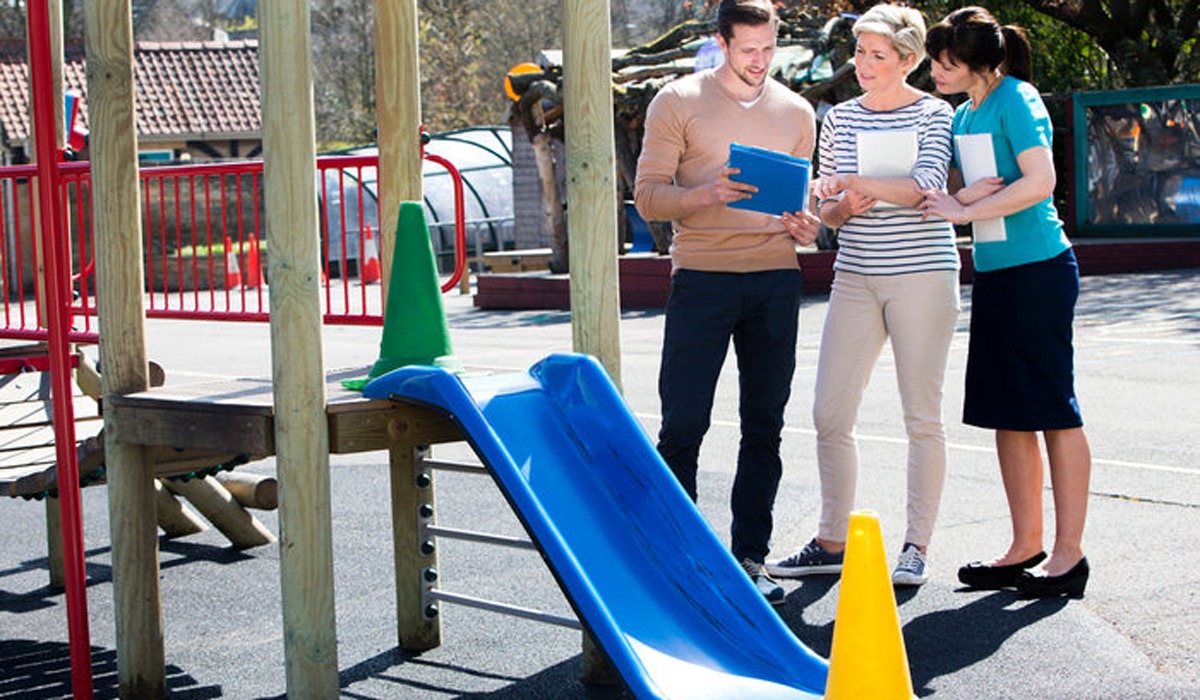
Photo from: WillyGoat
A great play structure is only part of the equation for a successful park. To maximize return on investment, planners must consider the entire visitor experience. Complementary amenities extend visitor stays and increase the value of the park to the community.
Support Amenities That Maximize Dwell-Time
Shade structures are arguably the most important amenity of support. They can lower surface temperatures by as much as 20°F, making the park usable during peak sun hours.
Alongside shade, durable site furnishings like recycled-plastic picnic tables, benches, and trash receptacles reduce long-term maintenance costs.
Inclusive surfacing is another key component. Poured-in-place rubber provides seamless, wheelchair-accessible pathways and is slip-resistant around water zones. Installing outdoor fitness equipment nearby allows adults to exercise while children play, increasing overall park utilization.
Maintenance & Lifecycle Cost Analysis
A proactive approach to maintenance planning is crucial for managing long-term budgets. Annual upkeep costs vary widely by material choice and design sophistication. A typical dry playground might incur annual costs for inspections and surfacing top-offs, while a water-play area requires services like chemical balancing and winterization.
Several levers can reduce these costs. Specifying RSP™ framing eliminates repainting expenses, while smart control systems with occupancy sensors for water features can reduce pump operation hours.
Over a 20-year term, parks with durable materials and smart controls can recover a significant portion of their capital expenditure in operational savings.
Turn-Key Services, Funding, & Grant Tips
Procurement teams often underestimate the administrative requirements for a multi-disciplinary park build. Design-build contracts, where a single entity handles the entire project, can be highly effective. This approach streamlines liability and has been shown to speed up project timelines significantly.
Several funding sources are available, including federal grants like the Land and Water Conservation Fund (LWCF). To improve the odds of winning a grant, it is critical to demonstrate a commitment to safety and quality.
Grant reviewers favor applications that include manufacturer compliance certificates and sample maintenance logs.
|
Key Insight: Maximize your return on investment by specifying smart systems. Sensor-driven water controls and durable, low-maintenance materials can recover up to 34% of your capital expenditure in operational savings alone. |
The Path Forward
Choosing the optimal blend of commercial playground structures boils down to four pillars: safety, durability, functionality, and amenities.
Prioritize certified materials like RSP™ features with well-defined winter conversion plans. Surround the play zone with essentials like shade, seating, and accessible surfacing to create a destination that delivers lasting value.
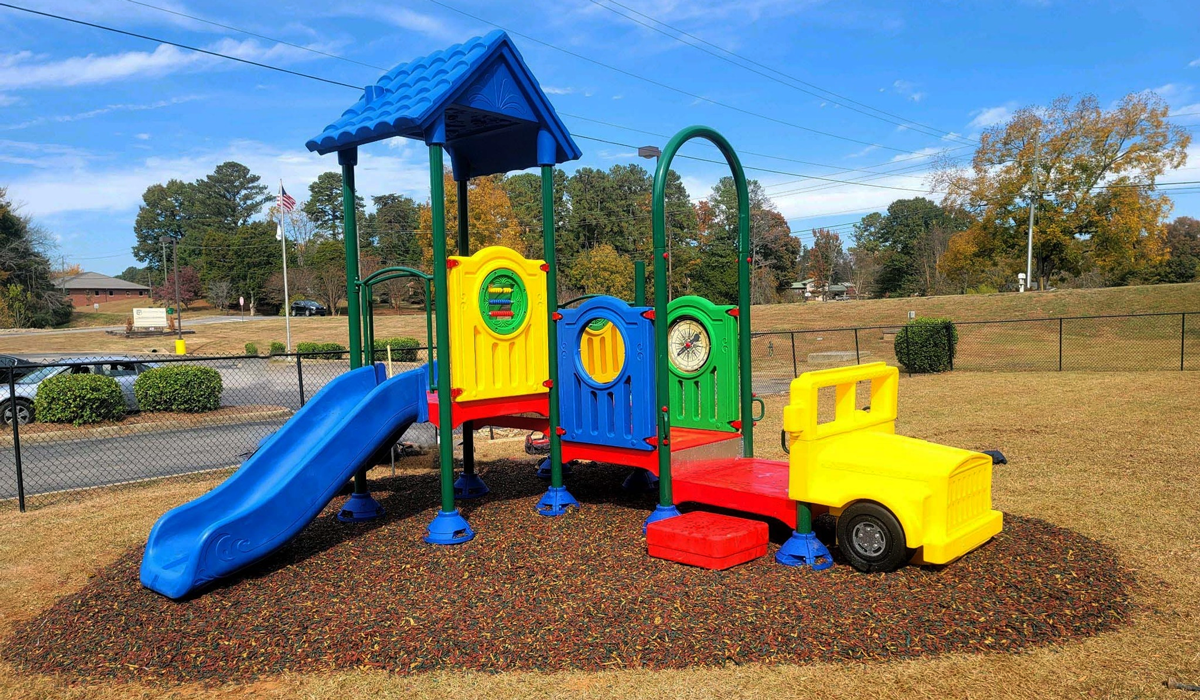
Photo from WillyGoat Facebook



Ashley Pugh ;
Ashley Pugh is one of the Co-Founders of Familydaysout.com and has been committed to writing family related content since 2008. There isn't much about family attractions that Ashley doesn't know, after visiting hundreds of them worldwide over the last 20 years.
Leave a comment