



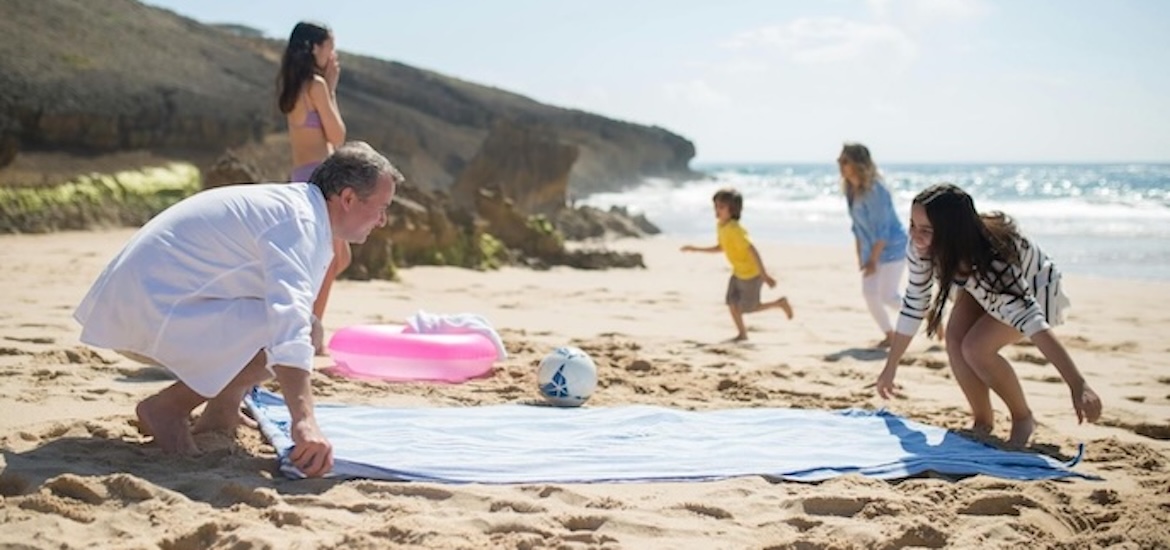







If you're juggling classes, too, time is precious. That's why many student-parents plan a budget-friendly fallback before they even park.
To keep study time and family time in balance, put Essay Service promo code in your prep notes so you remember to protect your workload on heavy weeks, then build a simple Plan B for when the ocean says "not today."
Read the Beach Like a Local
Before committing to the swim, check the day's beach report. Lifeguard flags are there for a reason: red or double-red means "stay out," yellow means "caution," and green is as close to "all clear" as you'll get.
Even with little ones splashing in ankle-deep water, currents can surprise you.
If you're solo-parenting, choose dry-sand fun for the kids while you use a study app or skim a textbook for twenty minutes. Keeping both your degree and your child safe means trusting the local cues and adjusting your plans on the spot.
Wind Happens, So Make It a Feature
Strong onshore wind can make beach umbrellas fly and leave kids miserable from blowing sand. Instead of fighting it, adapt.
Bring a pop-up tent that sits low, pack sturdier sand tools, and angle your spot so the gusts pass behind you. If sand starts stinging or toys keep blowing away, pivot. A pier walk, ice-cream stop, or aquarium trip still keeps the outing fun.
And when you really need to stay indoors, turn to indoor kids scavenger hunts, which bring a touch of adventure into even the rainiest or windiest day. These little adjustments keep spirits up and your day salvageable.

Remember About the Jellyfish Season
Depending on where you live, jellyfish can be a seasonal surprise. Lifeguards often post sting warnings or stock sting kits at their stations. If you see those notices, keep your kids at the shoreline or have them wear rash guards for protection.
In case of a sting, rinse with seawater and remove tentacles carefully. Keep calm, reassure your child, and know when to head for medical help.
Even if you cut the beach time short, pivoting to dry sand play can save the outing from total meltdown.
Beware the Red Tide
Red tide is one of those hidden hazards you don't expect until you walk down the boardwalk and smell it. The bloom can cause coughing, itchy eyes, and, in some cases, breathing issues. Families with asthma should be especially cautious.
If the surf looks discolored or if dead fish are washed up, call it and move inland. It might feel like a wasted drive, but a change of plan beats grumpy, coughing kids.

Pack for Pivots
When the weather or water turns on you, the right supplies make all the difference. A small tote of "just in case" items can turn a ruined plan into a smooth pivot.
Keep these essentials ready:
- Light layers for wind-chill and post-splash shivers
- Mini first-aid kit, tweezers, and kid-safe pain reliever
- A "quiet kit": crayons, stickers, one small truck, a paperback for you
- Reusable water bottles and easy snacks
- Two big zip bags for wet gear and a fast change
Having this tote ready cuts down on frantic packing and keeps you from leaving essentials at home, which means more headspace for your studies and less chaos when plans shift suddenly.
Determine Your Study Windows If You're a Student-Parent
A beach day doesn't have to mean falling behind in class. Use nap times for quick study sprints, download readings ahead of time for offline access, and trade small study blocks with your co-parent if you're not solo.
Even 20 minutes of focused review can keep you on track. The key is reframing "family time" and "student time" as overlapping windows instead of fighting for separate blocks.
If your semester feels overwhelming, you might consider delegating some tasks. NoCramming is a review site that compares essay-writing services by price, policies, and user feedback. Parents especially value this because it cuts down on guesswork.
You can see which companies are reliable and which ones raise red flags. That saves you both money and time – two things that matter when your toddler is building a sandcastle while you try to finish a reading response.
Always use services ethically and within your school's rules, but know that tools like NoCramming exist to help you make smart, informed choices.
Make Your Go/No-Go Checkpoint in the Parking Lot
Before hauling strollers, coolers, and beach bags, take sixty seconds to decide if the day is a "go" or "no-go." This quick checklist makes the call easier:
- Flags: red or double-red = no swim; yellow = extra caution
- Reports: recent stings or rough surf = shoreline play only
- Air/Water: strong smell or murky surf = choose Plan B
- Bandwidth: solo-parenting or stressed toddler = sand, snacks, stories
Run through this quick list before unloading the car. It sets expectations and gives you confidence in the decision. Your child may even enjoy the ritual, and it makes "no beach today" feel like a family choice instead of a disappointment.
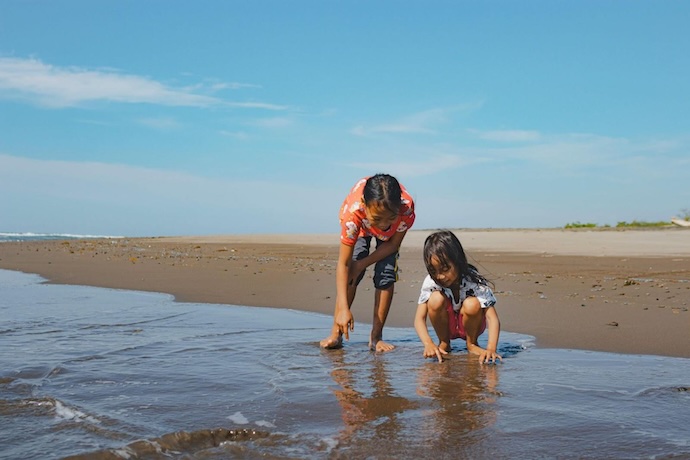
Plan Tomorrow's Beach With Kid-Friendly Picks
Some beaches are simply more family-ready than others. Gentle surf, playgrounds, and bathrooms nearby make all the difference when you're managing a stroller and a backpack.
Before your next trip, browse kid-friendly beach destinations for families to find soft-sand spots designed with little ones in mind. Picking the right beach ahead of time reduces stress and helps everyone enjoy the outing more.
Wrap-Up: Fun First, Safety Always
A winning beach day with small kids isn't about perfect weather – it's about flexibility. By checking local reports, packing for pivots, carving out small study windows, and having a backup plan, you keep both your coursework and your family happy.
Some days, the beach will roll out its welcome mat. Other days, it won't. But with options in your pocket, you still get the sunshine and the laughter, all without stress.
Author Bio
Ryan Davis is a sociology Ph.D. turned editor who lives for making sense of messy essays and even messier "best service" claims. At NoCramming, he cuts through the noise with honest reviews and straight talk. Catch more of his student-savvy takes on the NoCramming blog.



Ashley Pugh ;
Ashley Pugh is one of the Co-Founders of Familydaysout.com and has been committed to writing family related content since 2008. There isn't much about family attractions that Ashley doesn't know, after visiting hundreds of them worldwide over the last 20 years.
Leave a comment