











Family trips are really fun, whether it is a wonderful spontaneous weekend getaway, a cruise, an international destination, or just a lovely one-day outing to visit that new theme park. However, traveling with kids involves so much paperwork that it lessens stress at the checkpoints. Authorities may even ask for proof of guardianship, consent, or medical permissions, and arise emergencies that no one usually prepares for. The proper documentation helps ensure that you spend more of your time creating memories than you do resolving complication after complication. The following are six key documents families should have ready when traveling with children.
• 1. Travel Consent Letters

Photo by Guillaume de Germain on Unsplash
Permission letters from their parents (or any other legal guardian) can be a must for traveling alone with a child. The document states that the adult traveling has the approval to take the child on this trip. It has often been put forth by immigration authorities, by airlines, and by hotel personnel, particularly when traveling internationally.
It will include basic information such as travel dates, destinations, names of the child and parent(s), and contact information of the non-traveling parent. Though it appears like an extra step, this could avoid suspicions of child abduction or delays. International trips often call for notarization; even domestic travel, however, benefits from having an extra layer of reassurance.
2. Custody Order or Parenting Plan
It's rather brilliant to have a copy of the custody order or parenting plan when traveling among families that share custody. It will indicate who has the legal authority to travel with the child, the period during which the child may be taken, and restrictions about relocation or international travel. That would be an issue, especially if the travel interferes with the visitation schedule.
In short, when you're not sure what your custody order says, or even if it needs a bit of help for travel, here you can find a local family lawyer here who can really help you with clarifying your rights. Family lawyers often answer the simple FAQs about visitation terms and travel permissions, and how to avoid getting into disputes before they even arise. This paperwork ensures that you won't be blindsided if someone asks to see it.
3. Medical Authorization Form
Anywhere an accident or illness occurs, it's always going to be urgent to access immediate medical care, especially when kids are involved. Medical authorization forms allow another adult, be it a grandparent, close family friend, or just a coach on a school trip, to seek medical treatment for your child if you are not around.
The child's full name, date of birth, allergies, medications, and insurance information should be included in this form, with your consent to treatment. It should also clearly list your signature and contact details. Some parents will have the added assurance of having the document notarized, particularly with kids being sent on school trips or having relatives take them on vacations.
4. Child Identification or Birth Certificate
Proof that a child is indeed yours is a must during travels, too. Usually, a birth certificate or child ID suffices for domestic trips. Airlines use it as a means of ensuring the child is old enough to warrant discounted or lap-seat tickets. A passport is compulsory for international journeys, but a few countries even require visas.
Carrying IDs would be helpful not just on longer trips. Many parents now digitally copy birth certificates, passports, and school IDs. Copies of these vital records are then stored securely on cloud services, just in case originals are lost or stolen.
5.Emergency Contacts

Every family should prepare a simple document that lists emergency contacts, specifically relatives, family doctors, and trusted friends. It’s even better if they can be printed. Should a child become separated from parents or incapacitate the adult traveling with them, knowing exactly whom to contact can be life-saving.
To store in their child's wallet or backpack, some parents have begun compiling "in case of emergencies" cards. These would have the child's name, parents' contact information, and any pertinent health information, including allergies. When traveling internationally, the contact information for the closest consulate or embassy might also be included.
Road-trip prep should include more than IDs: list local non-emergency police numbers, a reputable tow service, your insurer’s claims line, and nearby hospitals. If you’ll be driving through Missouri, especially around St. Louis, keep a resource for serious collisions on hand, such as a trusted lawyer for head-on car crashes in St. Louis, who can explain what documentation to collect at the scene and next steps after emergency care. Having these contacts ready can save valuable time and reduce stress if a major accident interrupts your plans.
6. Information on Allergy and Insurance
Make sure you do not forget your health insurance card, details of specific allergies, and any medical conditions. Many countries' entry points require health insurance proof before treatment at facilities. Moreover, this insurance plan will cover cases of medical emergencies abroad during travel.
Make letters that outline allergies, a treatment plan, and emergency medications (such as EpiPen) for the child allergic to any foods, medications, or insect bites. Some parents even carry this information abroad by translating it into the local tongue so restaurant people or medical personnel could easily react in case anything happened.
Saving and Backing Up Documents
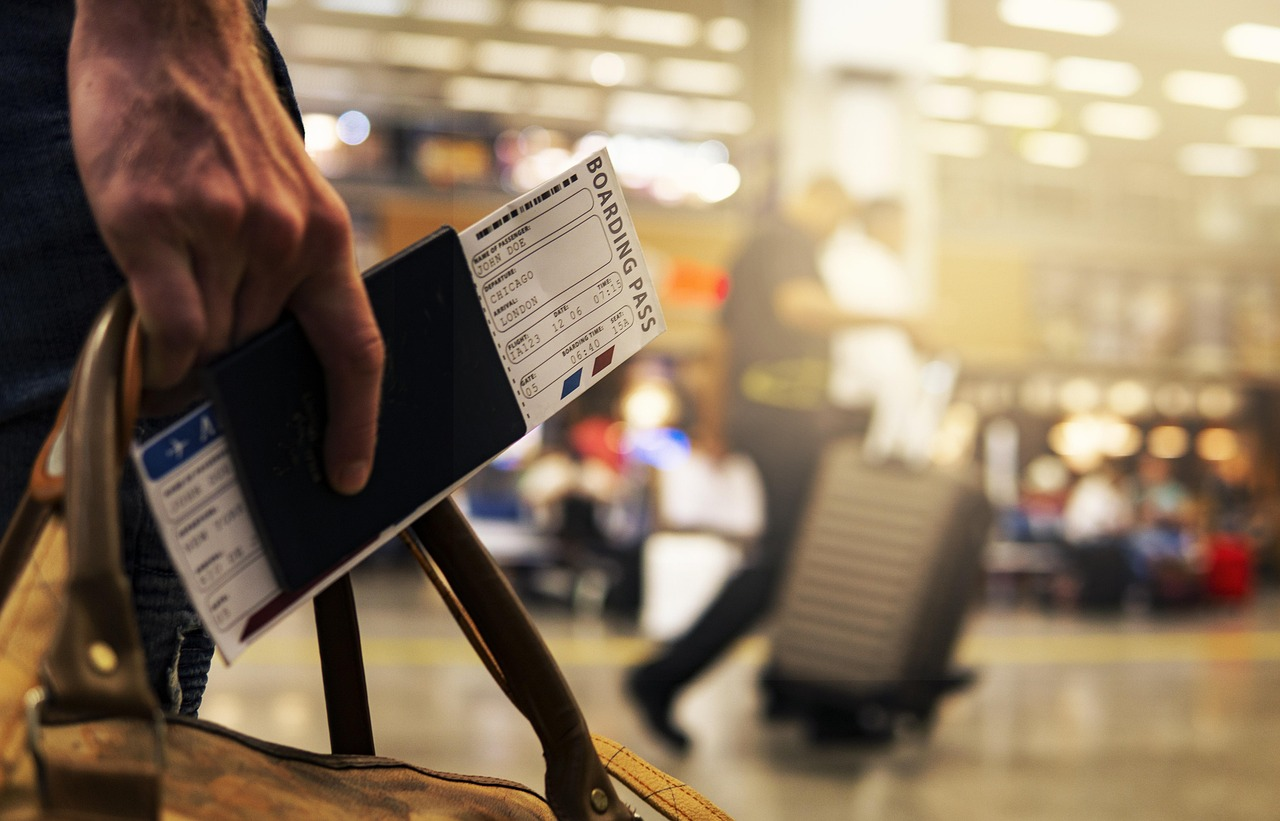
Photo by JoshuaWoroniecki on Pixabay
Though half the challenge is having the papers with you, the other half is getting them securely kept. Never check original papers, but instead, keep them in a waterproof folder in your carry-on baggage. Encrypted digital backups should be kept in the cloud or a safe.
Should an emergency occur, consider sharing access to your spouse, co-parent, or another reliable adult. Also, think about giving copies of these papers to a reliable family member back home who can fax or email them to you. A little redundancy helps in saving any vacation from being ruined by missing paperwork.
Endnote
Traveling with children is also about preparing for the unpredictable, but mainly making arrangements for essentials. Consent letters, custody orders, medical authorizations, and emergency contacts create protection from legislative, medical, and logistical challenges. Parents should focus on these basics to keep their family safe and create an environment that feels more secure and independent for their children.

Photo by Ray Bilcliff on Pexels





Ashley Pugh ;
Ashley Pugh is one of the Co-Founders of Familydaysout.com and has been committed to writing family related content since 2008. There isn't much about family attractions that Ashley doesn't know, after visiting hundreds of them worldwide over the last 20 years.
Leave a comment