











It is more vital than most parents realize. In 2023, according to NHTSA, on average, two children under 14 were killed and 345 were injured every day in traffic crashes while riding in passenger vehicles, and 43% of children killed in car crashes were unrestrained. So before you think about snacks or screen time, the first job is making the car and the kids travel-ready.
Start with the seat, not the suitcase
If there is one thing I never treat casually on a family drive, it is the restraint setup. The American Academy of Pediatrics says infants and toddlers should ride in a rear-facing car seat as long as possible, and children younger than 13 are safest in the back seat. NHTSA also estimates that correctly used child restraints reduce fatalities by 71% for infants under 1 and 54% for children ages 1 to 4 in passenger cars. That is not a tiny improvement; it is the kind of number that should stop you from “making do” with a loose seat or an old booster that no longer fits your child properly.
Do not ignore connectivity, because it is part of safety now

I also make sure the phone plan is sorted before I leave, because maps, weather updates, and roadside help matter more than people admit. That is where a travel eSIM like SIMOVO fits naturally into the pre-trip conversation. It is not there to make the trip glamorous, just easier to manage when you need directions, a quick message, or a backup connection away from stable Wi-Fi.
Sort out the car and the paperwork
A road trip with kids gets messier faster when the vehicle itself is half-prepared. NHTSA advises inspecting tires before long road trips, checking tread and pressure while the tires are cold, and making sure you have a spare tire and jack kit. AAA also recommends checking tire pressure, fluid levels, the battery, and the windshield washer system before you head out. That sounds like standard car maintenance, but on a family trip, it becomes part of child care, because a breakdown with tired kids in the back seat is how a simple drive turns into a long, ugly day.
The paperwork is crucial as well, even if nobody ever talks about it. CDC recommends carrying copies of important travel documents, medical information, and prescriptions, and also leaving copies with someone at home in case you lose them. AAA’s road-trip guidance adds the usual vehicle documents, including license, registration, and insurance information. I also like keeping an emergency contact card in the glove box and another in my phone notes. When plans go sideways, nobody wants to be digging through a bag while someone is asking when lunch is happening.
Build a tiny health kit, not a suitcase of “just in case”
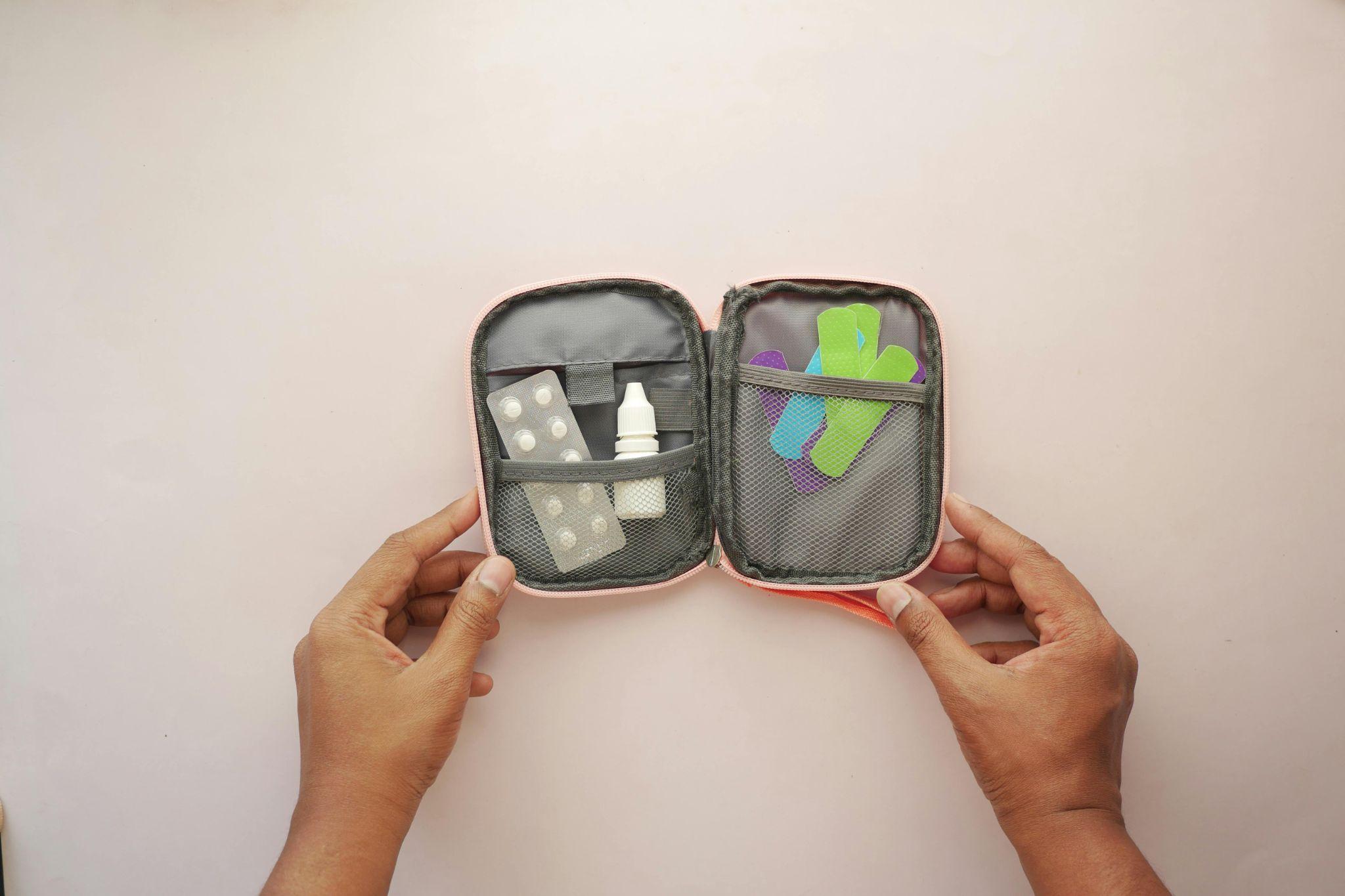
For families, the smartest health prep is usually compact and specific. Travelers should bring prescriptions and over-the-counter medicines in a travel health kit, and pack enough to last the whole trip, plus extra in case of delays. That is especially important when you are traveling with children; kids do not care that the nearest pharmacy is forty minutes away. A small first-aid pouch with basics for minor cuts, fever, or stomach trouble is enough for most road trips, and it is much better than improvising at a gas station after a small problem has already become a bad one.
Plan the driving rhythm around children, not adult optimism

Many road trips go wrong here. While adults often think in miles, kids experience travel in stretches. The AAP recommends that babies and young children get out of the car regularly, suggesting a break every 2 to 3 hours for a daytime drive and every 4 to 6 hours at night for diaper changes, stretching, or feeding. It is also best if an adult or responsible older child sits near a baby in the back seat when possible. It will make feeding, soothing, and general monitoring much easier. A road trip feels calmer when the schedule respects the child’s body instead of pretending the car can double as a nursery on wheels.





Ashley Pugh ;
Ashley Pugh is one of the Co-Founders of Familydaysout.com and has been committed to writing family related content since 2008. There isn't much about family attractions that Ashley doesn't know, after visiting hundreds of them worldwide over the last 20 years.
Leave a comment