



 Manage Attraction
 Suggest an Edit
US National Arboretum
About US National Arboretum
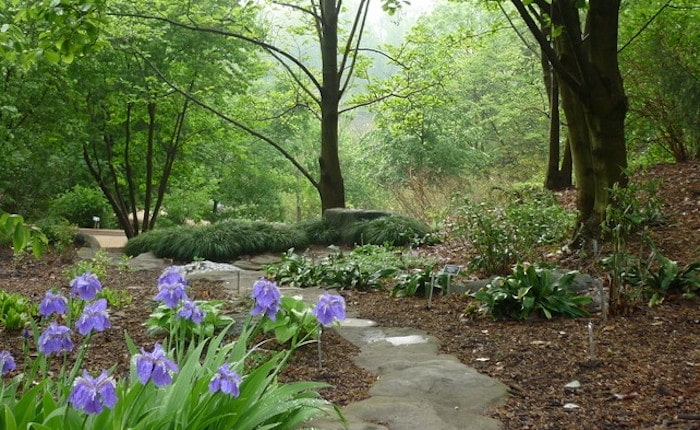
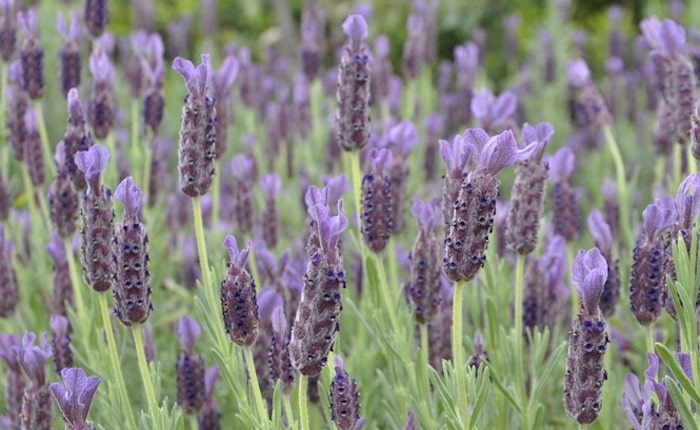
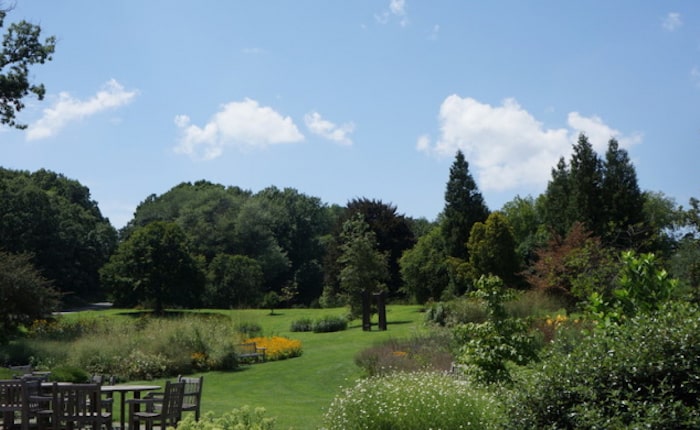
The U.S. National Arboretum is a delightful oasis in the heart of Washington D.C., offering families a refreshing escape into nature. Spanning 446 acres, this expansive green space is brimming with a diverse collection of beautiful trees, vibrant plants, and colorful flowers. It's a perfect spot for a family picnic, with plenty of space to lay down a blanket and enjoy a meal surrounded by the tranquility of nature. For those looking to explore more, the Arboretum offers tram tours that add an element of fun and learning to the visit.
There's a lot to discover within the gardens, each dedicated to specific types of plants or geographic regions. The Azalea Gardens are a spectacle of color, while the Dogwoods offer a serene beauty. Kids will particularly enjoy the Asian Collections, which bring a touch of the East to the capital with its Japanese Woodland, Asian Valley, and Korean Hillside. These areas provide a hands-on geography lesson as children explore plants from across the globe.
A visit to the National Bonsai and Penjing Museum is a must, where intricate bonsai trees are displayed in Japanese, Chinese, North American, and International Pavilions. The National Herb Gardens are another highlight, featuring Historic Roses, a Knot Garden, and various Specialty Gardens. Here, children can learn about perennials, with Daylilies, Daffodils, and Peonies all vying for attention.
The Washington Youth Garden is a standout attraction for kids at the Arboretum. Managed by the Friends of the National Arboretum, this garden is more than just a display of flora. It’s an educational hub where children learn about the origins of their food and gain an understanding of healthy eating and sustainable practices. Each year, thousands of children engage in hands-on gardening activities and nutrition-based events, making it a fun and educational experience.
Don't miss the butterfly garden, which is a vibrant ecosystem buzzing with pollinators like bees and butterflies. It’s a wonderful opportunity for kids to learn about the importance of these creatures in our ecosystem. The Washington Youth Garden is a working garden, showcasing a variety of food crops from April to October.
Is this your business ? Claim it
Suggest editHow much does it cost?
Suggest editAdults Free!
Children Free!
Free Under TBC
Last Update 2025
Discount TBC
Weather forecast
Activity reviews
Questions & Answers
Ask a Question
No questions yet. Be the first to ask!
US National Arboretum FAQ’s
How does the Arboretum support environmental conservation efforts?
The Arboretum is dedicated to preserving plant biodiversity and educating the public about sustainable gardening practices.
What unique features should we not miss at the Arboretum?
TBC
Are there facilities available for families with infants?
TBC
Can we bring our own food to the Arboretum?
Yes, you can bring a picnic to enjoy in the designated National Grove of State Trees picnic area. Please note that barbecue and alcohol are not allowed.
What activities are not allowed at the Arboretum?
Please refrain from playing ball, flying kites, or engaging in other sports activities. Bicycles should be ridden only on designated roadways.
Are there any souvenirs available at the Arboretum?
TBC
What educational programs are available for school groups?
The U.S. National Arboretum offers the SPROUT program, which provides structured educational resources, or teachers can customize their own field trips.
What should we bring to stay hydrated and healthy?
Ensure you bring plenty of water, especially on hot days, to stay hydrated while exploring the expansive gardens.
How can we inquire about accessibility features at the Arboretum?
For any questions regarding the accessibility of the gardens, feel free to call the information desk for assistance.
What activities should we avoid during our visit?
Climbing trees is prohibited to protect both the trees and visitors.
Do you work for this business?
Update your info, respond to reviews, and more by claiming your business now!
Claim Business






Rate & Write a Review
Your rating *